




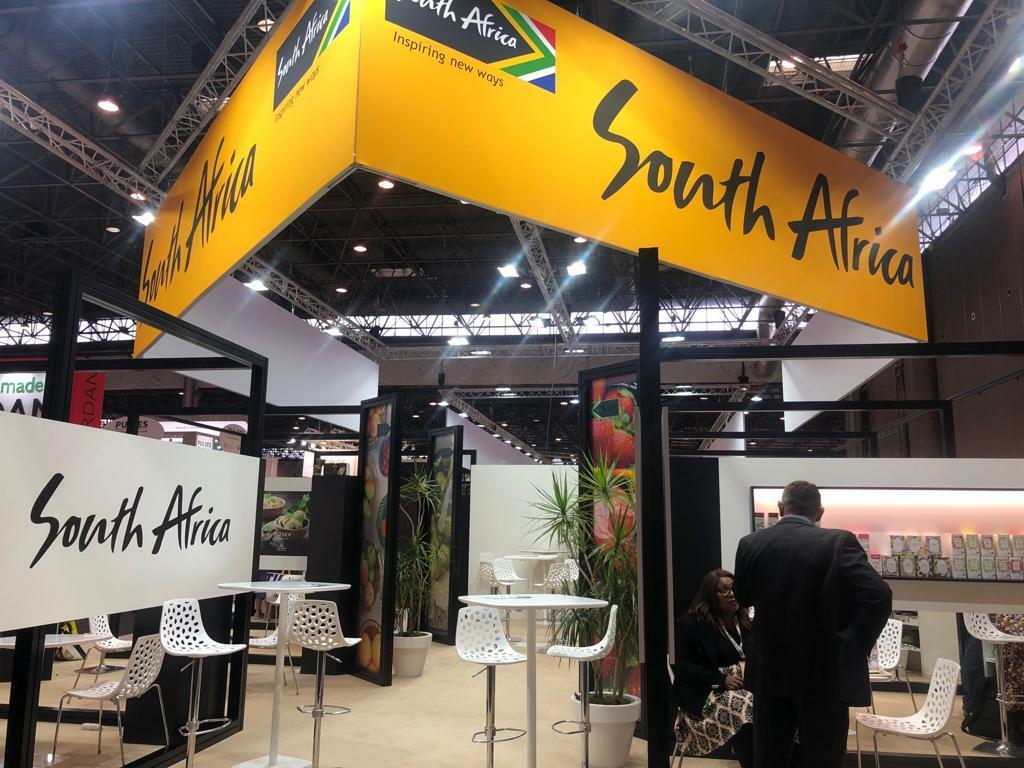
“Twenty-seven South African food manufacturing companies from six provinces are participating in SIAL Paris, running from 17 to 21 October 2026, with support from the dtic to pursue export opportunities and commercial partnerships. Their products include processed foods, beverages, spices, seafood, confectionery and organic products, as South Africa seeks to strengthen its international market access and expand sales of locally manufactured goods.”
South African Food Exporters Seek New Trade Opportunities in France as SIAL Paris Opens
South African food manufacturers are seeking to expand their international reach as 27 companies from six provinces participate in the SIAL Paris International Food Products Exhibition, which begins on 17 October and runs until 21 October 2026. Supported by the Department of Trade, Industry and Competition (the dtic), the participating businesses aim to connect with international buyers, establish commercial partnerships and identify new markets for locally manufactured food products.
The initiative places South African agro-processing businesses in front of an international audience of importers, distributors, retailers, restaurateurs and other food industry professionals. It also highlights the importance of export diversification as South Africa seeks to increase the value of its manufactured goods, strengthen domestic production and create opportunities for businesses to grow beyond the local market.
The exhibition is particularly relevant to companies producing processed foods, non-alcoholic beverages, preserved products, spices, soups, frozen foods, cured meats, health and organic products, confectionery, seafood and gourmet food items.
A platform for expanding South African exports
SIAL Paris is an international food industry exhibition that brings together businesses involved in food production, distribution, retail and international trade. Its commercial environment allows participating companies to introduce products to prospective buyers, assess market demand and explore relationships that may lead to future export agreements.
For South African manufacturers, participation offers an opportunity to demonstrate that local production can serve customers beyond the domestic market. Businesses that establish relationships with foreign importers may be able to reach additional consumers, diversify their revenue sources and reduce their reliance on a limited number of customers.
However, exhibition participation does not automatically translate into export contracts. Companies must convert initial discussions into commercially viable agreements, meet buyer requirements and establish dependable arrangements for production, shipping and delivery.
The dtic’s support for the national pavilion is therefore significant as an export-promotion initiative. It gives selected companies a shared platform from which to present South African products and pursue commercial relationships in an international setting.
Twenty-seven companies represent six provinces
The participation of 27 food manufacturers from six provinces demonstrates the geographical reach of the initiative. Instead of focusing exclusively on one manufacturing centre, the programme brings together businesses from different parts of South Africa.
This matters because food manufacturing and agro-processing can create economic opportunities throughout the country. Depending on the product and supply chain, expanding exports can benefit agricultural producers, ingredient suppliers, packaging manufacturers, transport operators, warehouses and processing facilities.
For smaller companies, access to international buyers can be difficult to establish independently. They may lack the resources to conduct overseas market research, attend major exhibitions, develop distribution networks or negotiate with foreign customers.
A national pavilion provides a common setting in which participating businesses can showcase their offerings and begin discussions with potential commercial partners.
Nevertheless, each company will need to demonstrate that its products meet the requirements of its intended market. Buyers typically consider product quality, price, consistency, shelf life, packaging, certification and the supplier’s ability to deliver agreed quantities.
Consequently, the commercial value of participation will depend partly on how effectively businesses follow up with prospective customers after the exhibition.
Diverse products offer different export opportunities
The participating companies are presenting products across a broad range of food categories, including processed foods, beverages, preserved products, spices, soups, frozen products, cured meats, organic and health products, confectionery, seafood and gourmet foods.
This diversity offers several possible routes into international markets.
Processed and preserved foods can appeal to distributors seeking products with longer shelf lives and established packaging formats. Spices and specialty ingredients can serve food manufacturers, restaurants and retailers looking for distinctive flavours. Meanwhile, frozen products and seafood can reach customers through distribution networks equipped to maintain appropriate storage temperatures.
Health-oriented and organic products may also provide opportunities where consumer demand, certification standards and pricing support commercial entry. However, success in these categories depends on the individual product, its positioning and the regulations of the destination market.
For South African producers, the challenge is to identify the products that offer a sustainable competitive advantage. That advantage might come from product quality, distinctive ingredients, reliable supply, efficient production or the ability to meet a buyer’s specific needs.
International expansion also requires manufacturers to understand the difference between attracting interest and securing repeat orders. A product that receives attention at an exhibition must still satisfy buyers on cost, quality and dependable delivery.
France and the wider European market
France provides an international meeting point for businesses seeking access to European food buyers. SIAL Paris brings together participants from across the food industry, creating opportunities for South African exporters to investigate distribution partnerships and learn more about the requirements of potential customers.
For participating businesses, the exhibition can help clarify how products should be positioned for different market segments. Some buyers may focus on premium or specialty foods, while others may prioritise price, large order volumes or products suitable for established supermarket and food-service channels.
Manufacturers will need to consider applicable import requirements before entering into supply agreements. Depending on the product, these may include food safety rules, ingredient and allergen declarations, labelling in the required language, traceability, packaging standards and relevant sanitary or phytosanitary controls.
Products of animal origin, including certain seafood and meat products, can face additional requirements. Companies should therefore confirm the applicable rules for each product and destination rather than assuming that participation in an exhibition establishes permission to export.
Logistics are equally important. Freight costs, transport times, temperature control, customs procedures and currency movements can affect whether an overseas order is profitable.
By investigating these issues early, businesses can make better-informed decisions about pricing, distribution and the markets they pursue.
Export diversification and value-added manufacturing
South Africa’s participation in SIAL Paris also reflects a broader economic objective: expanding the range of products sold internationally and increasing the role of manufacturing in the export economy.
Raw materials and agricultural commodities can generate export revenue, but processing them into finished or semi-finished products may create additional domestic economic activity. Depending on the industry, value addition can support food processing, packaging, product development, quality assurance and distribution.
For example, a manufacturer that processes agricultural ingredients into a packaged food product may require workers and suppliers across several stages of production. If the business subsequently secures repeat export orders, it may have a stronger incentive to expand capacity or invest in new equipment.
These outcomes are possibilities rather than guaranteed results. Export growth depends on demand, competitiveness, production costs, access to finance and the ability to meet contractual obligations.
Businesses also need to consider the risks associated with dependence on one destination market. Expanding into multiple markets can broaden the customer base, although each new destination brings its own compliance requirements, distribution costs and commercial uncertainties.
The value of trade-promotion initiatives should therefore be measured not simply by the number of companies attending an exhibition, but by the commercial opportunities they develop and the sustainable business activity that follows.
Challenges facing food exporters
Despite the opportunities presented by international exhibitions, South African food manufacturers face practical obstacles when entering foreign markets.
One important consideration is production capacity. A company may be able to fulfil domestic orders but struggle to supply a large overseas distributor without additional investment. Export contracts can require consistent volumes, standardised specifications and delivery schedules that place pressure on smaller manufacturers.
Working capital is another concern. Businesses may need to purchase ingredients, pay workers, secure packaging and arrange transport before receiving payment from overseas customers. Longer payment cycles can increase financial pressure, particularly for small and medium-sized enterprises.
Logistics can also affect competitiveness. Shipping costs, port operations, inland transport and delays can reduce margins or make delivery schedules less predictable. Perishable products face additional risks when cold-chain arrangements are inadequate.
Compliance presents a further challenge. Exporters must understand the rules governing their particular products, including food safety, labelling, documentation and any relevant import approvals. Failure to meet these requirements can lead to delayed shipments, additional costs or rejection of goods.
Finally, international buyers have alternatives. South African businesses must compete with suppliers from other countries on price, quality, reliability and product differentiation.
These challenges underline why export promotion works best when combined with practical support for production readiness, standards compliance, market intelligence and logistics planning.
Turning exhibition meetings into commercial agreements
The next stage for participating companies will be converting introductions into concrete business opportunities.
Manufacturers can improve their prospects by preparing clear product specifications, wholesale price information, minimum order quantities, production capacity details and realistic delivery timelines. They should also be ready to explain how their products differ from competing offerings.
Following up promptly with prospective buyers will be essential. Discussions at an exhibition may identify potential customers, but sustained engagement is usually necessary to agree on samples, quality requirements, commercial terms and distribution arrangements.
Companies should also assess prospective partners carefully. Before committing resources to an agreement, they need to understand payment terms, expected order volumes, exclusivity conditions and the financial and operational responsibilities of each party.
For businesses that secure interest from several markets, prioritising the most commercially viable opportunities can prevent resources from being spread too thinly. A smaller number of reliable, profitable customers may provide a stronger foundation for expansion than numerous unconfirmed leads.
The dtic’s export-promotion initiative provides the international platform; individual companies will still need to execute the commercial work required to turn that exposure into sales.
What the initiative could mean for South Africa
If participation results in sustained orders and repeat business, the benefits could extend beyond the companies attending the exhibition. Additional demand may support production, supplier relationships, investment and employment across parts of the food value chain.
The effects will depend on the scale and durability of any agreements secured. One-off shipments can provide an initial opportunity, but lasting gains require manufacturers to remain competitive and maintain customer confidence.
For policymakers, the initiative also provides an opportunity to identify barriers that prevent local companies from exporting more successfully. Feedback from businesses can help reveal gaps in market information, certification support, financing, freight services and access to international distribution networks.
Any assessment of the programme should distinguish between participation, buyer interest, confirmed contracts and actual export performance. Tracking those outcomes would provide a clearer picture of whether exhibition support is helping businesses build lasting international sales.
Outlook: An opportunity to strengthen trade links
SIAL Paris runs from 17 to 21 October 2026, giving the 27 participating South African companies an opportunity to introduce their products to international food industry stakeholders and explore commercial partnerships.
The event represents a practical step towards expanding export opportunities for South African food manufacturers, particularly those seeking to grow through value-added products rather than relying solely on domestic demand.
Its ultimate significance, however, will be determined by what happens after the exhibition. New buyer relationships must develop into viable agreements, while companies must maintain quality, meet regulatory requirements and deliver products competitively.
For South Africa, the broader opportunity is to strengthen the connection between domestic food production and international demand. If businesses can turn market exposure into sustainable contracts, export growth could support manufacturing activity and create additional opportunities throughout the supply chain.
The immediate priority is therefore clear: use the international platform to identify credible buyers, understand market requirements and build commercial relationships that can continue well beyond the five-day exhibition.



