




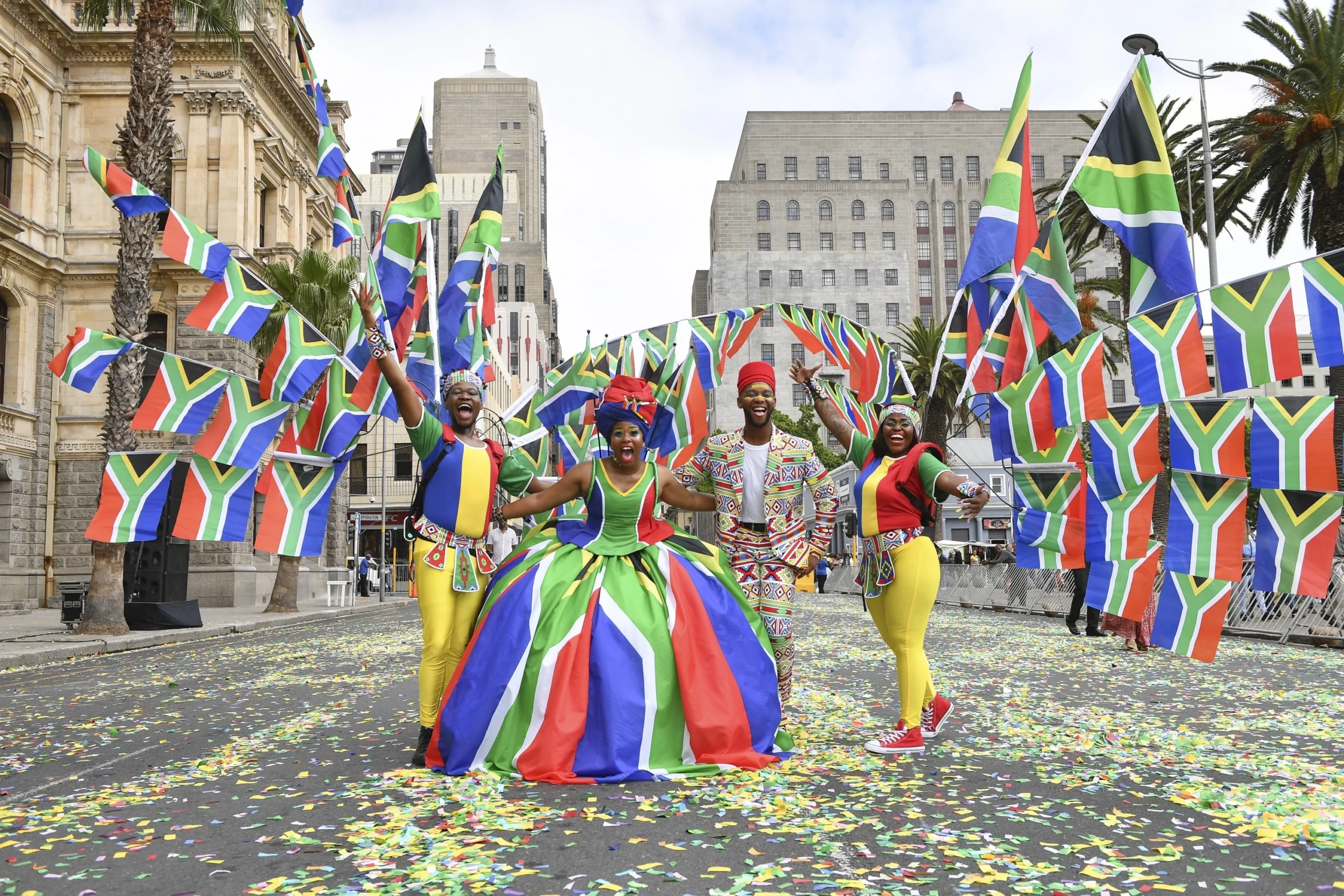
“Sho’t Left Travel Week 2026, held from September 7–13, offered unprecedented discounts and free access to national parks, democratizing travel for South Africans. The campaign boosted domestic tourism, supported small businesses, and redefined how citizens engage with their heritage and landscapes.”
September 2026 will be remembered as a watershed moment in South Africa’s tourism industry. With the successful conclusion of Sho’t Left Travel Week 2026, domestic travel surged, proving that affordability and accessibility can transform both the hospitality sector and the broader economy. This campaign, spearheaded by South African Tourism and endorsed by Tourism Minister Patricia de Lille, has redefined how South Africans engage with their own heritage, landscapes, and leisure opportunities.
What is Sho’t Left Travel Week?
Sho’t Left Travel Week is an annual campaign designed to stimulate domestic travel during Tourism Month. Running from September 7–13, the initiative offered:
- Up to 50% discounts on accommodation, tours, and cultural activities.
- Free entry to national parks during SANParks Week.
- Provincial Mahala Weeks, waiving entry fees to selected attractions.
The theme, “1000 Reasons to Sho’t Left”, highlighted the diversity of experiences available—from wildlife safaris in Kruger National Park to coastal escapes in KwaZulu-Natal, and cultural journeys through township tours and heritage sites.
Why September Matters
September has long been designated as Tourism Month, but 2026 elevated its significance. For many South Africans, this was the first time domestic travel felt financially attainable. The alignment of discounted travel deals and free park access created a historic turning point for adventure tourism.
Ministerial Vision
Tourism Minister Patricia de Lille launched the campaign in Durban, emphasizing that domestic tourism is the backbone of the economy and a gateway to international growth. Her vision underscores the government’s strategy: strengthen local travel to build resilience against global shocks.
Economic Impact
Domestic tourism is more than leisure—it is a pillar of the economy. In the first half of 2026:
- 21.2 million overnight trips were taken, a 4% increase from 2025.
- Holiday trips rose 36%, showing a growing appetite for local exploration.
The campaign supported small businesses in hospitality and transport, boosted job creation in rural and urban areas, and diversified revenue streams, reducing reliance on international arrivals.
Adventure Tourism Boom
The campaign highlighted diverse experiences:
- Wildlife Safaris: Kruger, Addo Elephant, Golden Gate Highlands.
- Adventure Activities: Hiking in the Drakensberg, kayaking along the Garden Route, ziplining in Mpumalanga.
- Cultural Journeys: Township tours, heritage sites, culinary experiences.
This diversity showcased South Africa’s ability to offer world-class adventure and cultural tourism at affordable rates.
Cultural Significance
Beyond economics, Sho’t Left Travel Week reinforced cultural pride. Township tours and heritage site visits allowed South Africans to reconnect with their roots, while culinary experiences highlighted the richness of local traditions. By making these experiences accessible, the campaign fostered inclusivity and national identity.
Small Business Empowerment
Local entrepreneurs benefited immensely. Guesthouses, tour operators, and transport providers reported increased bookings. Township-based cultural guides and artisans saw higher demand, proving that tourism can uplift communities when affordability barriers are removed.
Sustainability and Future Outlook
Sho’t Left Travel Week also emphasized sustainability. Free access to national parks encouraged eco-tourism, while discounted cultural activities promoted responsible travel. Looking ahead, the government aims to institutionalize such initiatives, ensuring that domestic tourism remains resilient against global uncertainties.
Conclusion
Sho’t Left Travel Week 2026 was not just a campaign—it was a cultural revolution in South African travel. By democratizing access, it empowered citizens to explore their heritage, landscapes, and leisure opportunities. The initiative strengthened the economy, uplifted small businesses, and redefined Tourism Month as a celebration of inclusivity, affordability, and cultural pride.



