




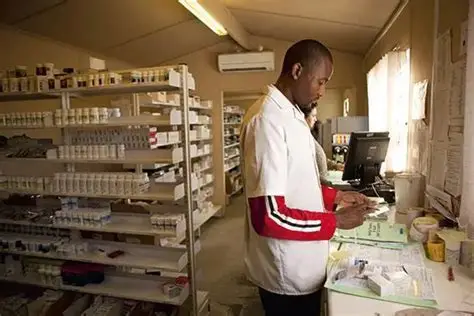
“South Africa’s Health Minister has confirmed widespread shortages of vital medicines, including antibiotics, insulin, TB drugs, and oncology treatments, due to procurement delays and global supply chain disruptions. The crisis underscores urgent policy reforms needed to strengthen monitoring systems and ensure equitable access to life-saving treatments.”
South Africa’s healthcare system is facing one of its most pressing challenges in recent years: critical shortages of essential medicines. Health Minister Dr. Aaron Motsoaledi’s disclosure in Parliament has sparked national concern, as the shortages affect treatments for infectious diseases, chronic conditions, and cancer care. This revelation raises urgent questions about policy effectiveness, supply chain resilience, and patient safety.
The Scope of the Shortages
According to the Minister, medicines most frequently affected include:
- Antibiotics such as Ciprofloxacin and Flucytosine, disrupted by manufacturing delays and increased demand.
- Tuberculosis treatments, particularly Rifampicin-based products, impacted by global shortages.
- Oncology drugs, vital for cancer patients, with intermittent availability.
- Insulin, essential for diabetes management, facing procurement delays.
- Paediatric antiretrovirals, critical for HIV-positive children, disrupted by supply chain inefficiencies.
Policy and Monitoring Systems
The Department of Health has not conducted a national audit of medicine stocks in the past 12 months. Instead, it relies on systems like RxSolution and the Stock Visibility System (SVS), which provide weekly data to the National Surveillance Centre. While these tools offer monitoring capabilities, critics argue they are insufficient to prevent widespread shortages.
Provincial Impact
The shortages are not uniform across the country. Provinces with delayed payments to suppliers have been disproportionately affected, exacerbating inequities in healthcare delivery. Rural clinics, already struggling with limited resources, face the brunt of these disruptions, leaving vulnerable populations at risk.
Patient Consequences
The impact on patients is severe:
- Delayed treatments for TB and HIV increase risks of drug resistance.
- Cancer patients face interruptions in chemotherapy schedules.
- Diabetic patients risk life-threatening complications without insulin.
- Children living with HIV face setbacks in treatment adherence.
Government Interventions
The Health Minister outlined several interventions:
- Alternative medicines substituted where possible (e.g., Amphotericin B for Flucytosine shortages).
- Biannual stocktaking at provincial depots.
- Targeted assessments to identify supply disruptions.
- Engagement with suppliers to address manufacturing delays.
Policy Gaps Exposed
This crisis exposes deeper policy gaps:
- Procurement inefficiencies: Delayed provincial payments undermine supply stability.
- Global dependency: Reliance on international suppliers leaves South Africa vulnerable to global shortages.
- Equity concerns: Rural and marginalized communities are disproportionately affected.
Expert Opinions
Health policy experts argue that South Africa must:
- Establish a national medicine stock audit system.
- Diversify suppliers to reduce dependency.
- Strengthen local pharmaceutical manufacturing capacity.
- Integrate medicine supply monitoring into broader National Health Insurance (NHI) reforms.
International Context
Globally, medicine shortages have become more frequent due to supply chain disruptions, geopolitical tensions, and rising demand. South Africa’s experience mirrors challenges faced in other developing nations, but its high burden of HIV, TB, and cancer makes the stakes particularly high.
Looking Ahead
The crisis presents an opportunity for reform. By addressing procurement inefficiencies, investing in local manufacturing, and enhancing monitoring systems, South Africa can build a more resilient healthcare system. The government’s commitment to universal health coverage under NHI must prioritize medicine availability as a cornerstone of patient care.



