




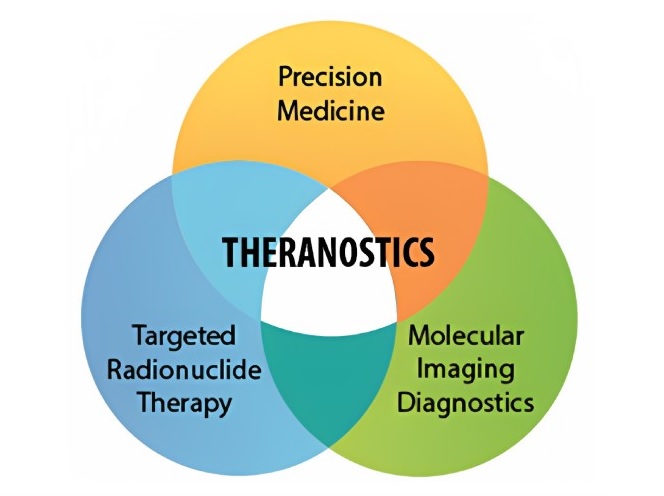
“South Africa has unveiled a groundbreaking theranostic approach to breast cancer, integrating nuclear medicine diagnostics with targeted treatment. The innovation, backed by a R3-million Harry Oppenheimer Fellowship Award, promises to drastically improve survival rates by detecting and treating cancer earlier and more precisely.”
Breast cancer remains the leading cancer among women in South Africa, with late-stage diagnoses contributing to high mortality rates. A new initiative spearheaded by Professor Mike Sathekge, head of Nuclear Medicine at the University of Pretoria and Steve Biko Academic Hospital, is set to revolutionize treatment through theranostics—a fusion of diagnosis and therapy.
What is Theranostics?
- Theranostics combines early detection with personalized treatment.
- Using nuclear medicine imaging, doctors can pinpoint tumors at the cellular level.
- This allows for tailored therapies that target cancer cells while minimizing damage to healthy tissue.
This approach mirrors the transformation seen in HIV/AIDS treatment, shifting from a fatal disease to a manageable chronic condition.
The Fellowship Award
- Sathekge received the 2025 Harry Oppenheimer Fellowship Award, valued at R3 million.
- The grant supports research to refine theranostic methods and expand access across South Africa.
- His nomination was one of 80 submissions, underscoring the competitive nature of the award.
Current Challenges in South Africa
- A South African Medical Journal study revealed that 67% of breast cancer patients are diagnosed at late stages.
- Late detection often means metastasis, reducing survival chances.
- Rising cancer rates are expected due to population growth, ageing, and lifestyle changes.
How Theranostics Works
- Diagnosis: Nuclear imaging detects tumors at microscopic levels.
- Treatment: Radioactive tracers deliver targeted therapy directly to cancer cells.
- Monitoring: Continuous imaging assesses treatment response, allowing adjustments.
This cycle ensures precision medicine, reducing side effects and improving outcomes.
Global Context
- Breast cancer is the most common cancer worldwide, with millions affected annually.
- South Africa’s innovation places it at the forefront of global cancer research.
- The approach aligns with international efforts to personalize cancer care.
Patient Impact
- Earlier detection means higher survival rates.
- Personalized treatment reduces unnecessary chemotherapy and radiation.
- Improved quality of life for patients, with fewer side effects.
Expert Opinions
- Sathekge emphasizes that early detection exponentially improves prognosis.
- Health experts believe theranostics could reshape oncology services in Africa.
- Advocacy groups welcome the initiative as a lifeline for women often diagnosed too late.
Future Outlook
- Expansion of theranostic facilities across South Africa.
- Training programs for medical professionals in nuclear medicine.
- Potential adaptation of theranostics for other cancers, including prostate and lung.
Conclusion
South Africa’s theranostic breakthrough represents a paradigm shift in cancer care. By merging diagnosis and treatment, it offers hope to thousands of women facing breast cancer. With continued investment and research, this innovation could redefine oncology not only in South Africa but globally.



