




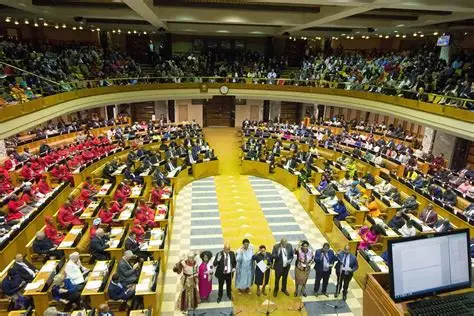
“South Africa’s Cabinet has introduced landmark reforms covering coalition governance, procurement modernization, criminal justice oversight, and illicit mining crackdowns. These measures aim to restore institutional trust, stabilize fragile coalitions, and modernize governance structures nationwide.”
On August 26, 2026, South Africa entered a decisive phase in its governance journey as the Cabinet unveiled a comprehensive set of legislative reforms. These reforms collectively represent one of the most ambitious governance packages in recent years, spanning coalition governance, criminal justice oversight, illicit mining crackdowns, procurement modernization, and public service accountability. The reforms are designed to restore trust in institutions, stabilize fragile coalitions, and modernize governance structures across the country.
Coalition Governance Reform
At the heart of the reforms lies the Municipal Structures Amendment Bill (29 July 2026). This bill introduces mandatory qualifications for councillors appointed as municipal office bearers. Prescribed timelines for electing mayors and deputy mayors aim to reduce delays, while clear procedures for removing office bearers and flexible voting mechanisms (show of hands or secret ballot) are expected to reduce disputes.
For years, fragile coalitions have collapsed, stalling projects and weakening accountability. This reform is expected to reduce political instability, ensuring uninterrupted service delivery to communities. By professionalizing local government leadership, the bill ensures that those entrusted with municipal responsibilities have the necessary skills and qualifications.
Criminal Justice System Reform
The Madlanga Inquiry into corruption and political interference in the criminal justice system has been extended until 31 October 2026. This extension underscores the government’s commitment to a thorough investigation into systemic failures undermining accountability.
By allowing more time, the inquiry aims to restore credibility in law enforcement and judicial institutions, strengthen judicial independence, and rebuild public confidence in the justice system. The inquiry is expected to produce recommendations that will reshape prosecutorial independence and reduce political meddling in high-profile cases.
Tackling Illicit Mining
Illicit mining, known locally as Zama Zama operations, has plagued South Africa’s economy and communities. The General Mining Laws Amendment Bill criminalizes illicit mining activities, introducing tougher penalties including longer prison terms and higher fines.
This reform is expected to protect vulnerable communities, safeguard the environment, and reduce economic losses associated with illegal mining. The government hopes that stricter enforcement will deter criminal syndicates and restore lawful mining operations, thereby boosting investor confidence in the sector.
Procurement Modernization
Another pillar of the reforms is procurement modernization. The Cabinet has introduced measures to streamline procurement processes, reduce corruption, and enhance transparency. By digitizing procurement systems and enforcing stricter oversight, the government aims to ensure that public funds are used efficiently and responsibly.
This modernization effort is expected to improve service delivery, reduce wastage, and strengthen accountability in public spending.
Public Service Accountability
The reforms also emphasize public service accountability. New measures require stricter performance evaluations for public servants, with clear consequences for underperformance or misconduct. By holding officials accountable, the government aims to rebuild trust in public institutions and ensure that citizens receive the services they deserve.
Broader Implications
These reforms collectively signal a turning point in South Africa’s governance trajectory. By addressing systemic weaknesses in coalition politics, criminal justice, mining regulation, procurement, and public service, the government is laying the foundation for a more stable and accountable democracy.
Observers note that while the reforms are ambitious, their success will depend on effective implementation and sustained political will. Civil society organizations have welcomed the measures but cautioned that vigilance will be necessary to ensure that reforms translate into tangible improvements for ordinary citizens.
Conclusion
South Africa’s sweeping legislative reforms represent a bold attempt to confront longstanding governance challenges. By professionalizing local government, strengthening judicial independence, criminalizing illicit mining, modernizing procurement, and enforcing public service accountability, the government is seeking to restore trust and stability.
If implemented effectively, these reforms could mark the beginning of a new era of governance in South Africa—one characterized by transparency, accountability, and resilience.



