




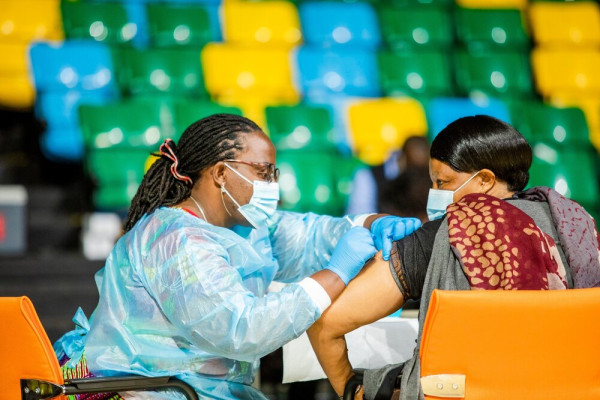
“South Africa is grappling with a severe immunisation crisis as vaccination coverage among infants plummets, triggering outbreaks of measles, rubella, and pertussis across multiple provinces. The Department of Health warns that herd immunity is collapsing, leaving millions of children vulnerable to preventable diseases.”
South Africa’s public health system is facing one of its most daunting challenges in decades: a collapse in childhood immunisation coverage. Once celebrated for its robust vaccination campaigns, the country now finds itself at the epicenter of a preventable health crisis. The Department of Health has sounded the alarm, warning that unvaccinated infants have tripled since 2017, sparking outbreaks of measles, rubella, and pertussis across multiple provinces.
The Numbers Behind the Crisis
- Unvaccinated infants rose from 12.1% in 2017 to 36.3% in 2026.
- Hexavalent vaccine coverage (protecting against six major diseases) dropped from 87% in 2021 to 60.5% in 2025.
- First-dose coverage for children under one year fell from 87% in 2021 to 67% in 2025.
These figures paint a grim picture: hundreds of thousands of infants are now vulnerable to diseases once thought under control.
Outbreaks Already Underway
Since January 2026, South Africa has recorded:
- 3,462 measles cases across Western Cape, Free State, KwaZulu-Natal, and Northern Cape.
- Nearly 400 rubella cases, posing severe risks for pregnant women.
- Pertussis outbreaks disproportionately affecting infants under six months.
- Imported polio strains detected in Cape Town wastewater, threatening South Africa’s polio-free status.
Causes Behind the Decline
Several factors have contributed to this alarming trend:
- COVID-19 pandemic disruptions interrupted routine immunisation services.
- Misinformation and vaccine hesitancy, amplified by social media.
- Healthcare system strain, including staff shortages and resource limitations.
- Socioeconomic barriers, with rural and impoverished families struggling to access clinics.
Public Health Consequences
The erosion of herd immunity means that even vaccinated children are at risk. Diseases like measles require 90–95% coverage to prevent outbreaks. Falling below this threshold has already led to widespread infections. Long-term consequences include:
- Increased infant mortality.
- Higher rates of disability from preventable diseases.
- Strain on hospitals and healthcare budgets.
Government Response
The Department of Health has called for:
- Immediate national mobilisation to restore immunisation coverage.
- Community outreach campaigns to encourage parents to vaccinate children.
- Emergency vaccination drives in outbreak hotspots.
Expert Opinions
Public health experts warn that unless urgent interventions are implemented, South Africa risks reversing decades of progress in reducing infant mortality. They emphasize that vaccination is not only a personal choice but a collective responsibility.
Conclusion
South Africa’s immunisation crisis is a stark reminder of the fragility of public health systems. Without swift and decisive action, the country faces a future where preventable diseases reclaim thousands of young lives. The Department of Health’s urgent call to action must be met with nationwide cooperation, from government agencies to families, to restore trust in vaccines and protect the next generation.



