




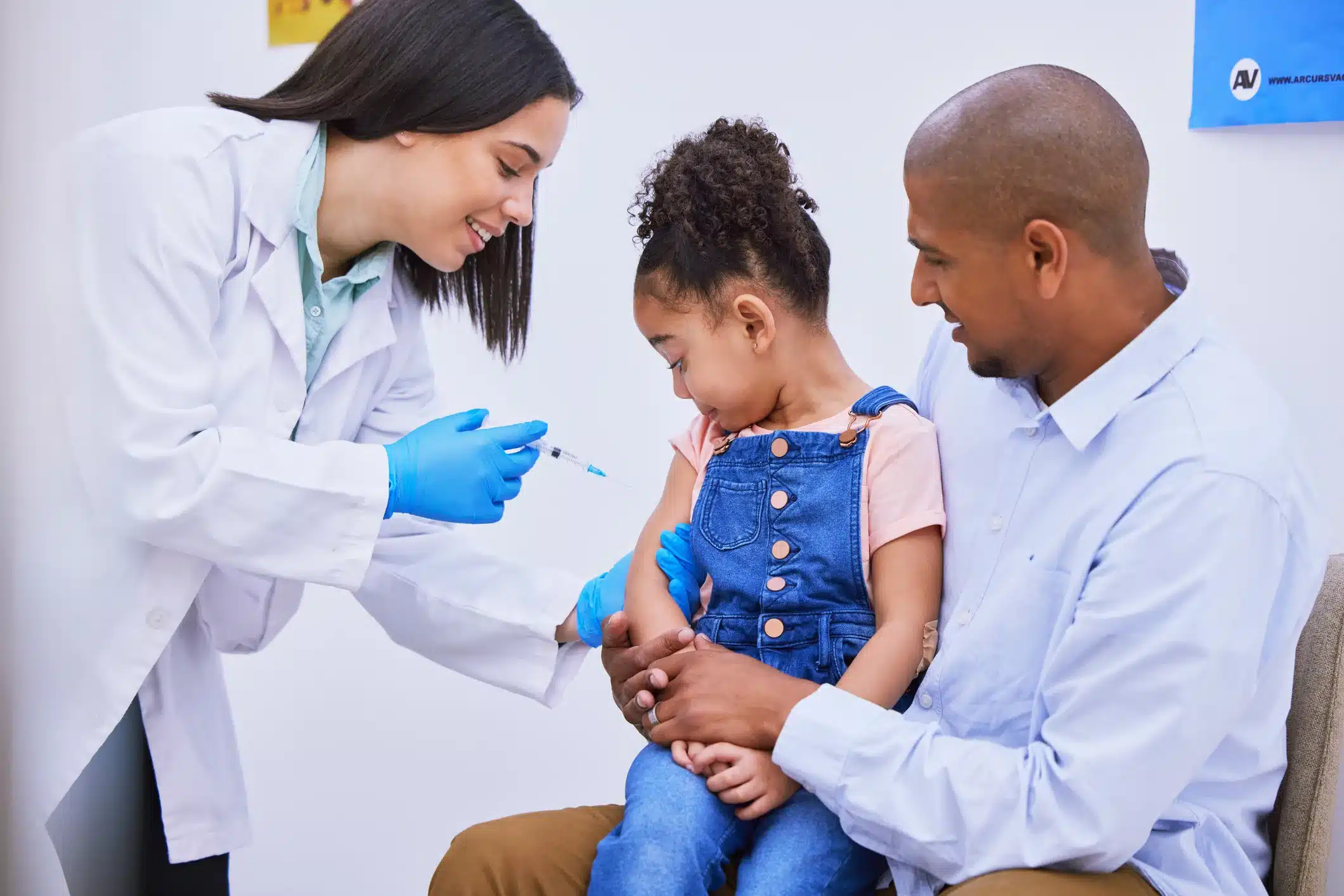
“South Africa’s declining childhood vaccination coverage has triggered widespread outbreaks of measles and rubella, with more than 3,462 confirmed measles cases reported in 2026. Health officials warn that urgent interventions are needed as unvaccinated infants have tripled since 2017, threatening to reverse decades of progress in reducing child mortality.”
South Africa is grappling with a growing health emergency as vaccination rates plummet, leading to outbreaks of measles and rubella across multiple provinces. The Department of Health has sounded the alarm, warning that the collapse in routine childhood immunisation threatens to undo decades of progress in reducing infant and under-five mortality. With more than 3,462 confirmed measles cases recorded since January 2026, the crisis underscores the urgent need for renewed public health campaigns and community mobilisation.
The Numbers Behind the Crisis
- Unvaccinated infants tripled: In 2017, only 12.1% of infants received no vaccines. By early 2026, this figure had surged to 36.3%, meaning more than one in three infants are completely unprotected.
- Routine coverage collapse: First-dose vaccine coverage fell from 87% in 2021 to 67% in 2025, while the Hexavalent (6-in-1) infant vaccine dropped from 87% to 60.5%.
- Measles outbreak scale: Since January 2026, 3,462 laboratory-confirmed measles cases have been reported, with 70.9% of cases among children aged 1–14 years.
Provinces Most Affected
- Western Cape
- Free State
- KwaZulu-Natal
- Northern Cape
These regions have reported the highest concentration of measles cases, highlighting the uneven distribution of vaccination coverage across South Africa.
Why Vaccination Rates Are Falling
Several factors contribute to the decline:
- Healthcare system strain: Post-pandemic resource challenges have weakened routine immunisation programs.
- Misinformation and vaccine hesitancy: Social media-driven skepticism has eroded public trust.
- Access barriers: Rural and underserved communities face logistical challenges in reaching clinics.
- Policy gaps: Insufficient funding and weak enforcement of immunisation schedules have compounded the crisis.
Consequences of Declining Coverage
- Resurgence of preventable diseases: Measles and rubella, once rare, are now spreading rapidly.
- Threat to herd immunity: Falling coverage undermines community protection, exposing even vaccinated children.
- Risk of long-term disability and death: Measles can cause pneumonia, encephalitis, and blindness, while rubella poses severe risks to pregnant women and unborn babies.
- Polio concerns: Imported polio strains detected in Cape Town wastewater highlight vulnerabilities despite South Africa’s polio-free status.
Government Response
The Department of Health has urged parents to rush unvaccinated children to clinics. Spokesperson Foster Mohale emphasized that “this is no longer just a warning—outbreaks are already happening.” Emergency vaccination drives are being rolled out, but officials admit South Africa is unlikely to meet the World Health Organization’s 90% coverage target without urgent interventions.
Expert Opinions
Public health experts warn that reversing the decline will require:
- Mass awareness campaigns to counter misinformation.
- Mobile vaccination units to reach rural areas.
- Partnerships with schools and community leaders to rebuild trust.
- Policy reforms to strengthen immunisation funding and accountability.
Global Context
South Africa’s crisis mirrors trends in other countries where vaccine hesitancy and weakened health systems have led to resurgences of preventable diseases. The World Health Organization has repeatedly warned that declining vaccination rates could trigger global outbreaks, reversing decades of progress in child health.
Conclusion
The measles and rubella outbreaks in South Africa are a stark reminder of the consequences of neglecting routine immunisation. With thousands of children already affected and millions at risk, urgent action is needed to restore vaccination coverage, rebuild public trust, and safeguard the health of future generations.



