




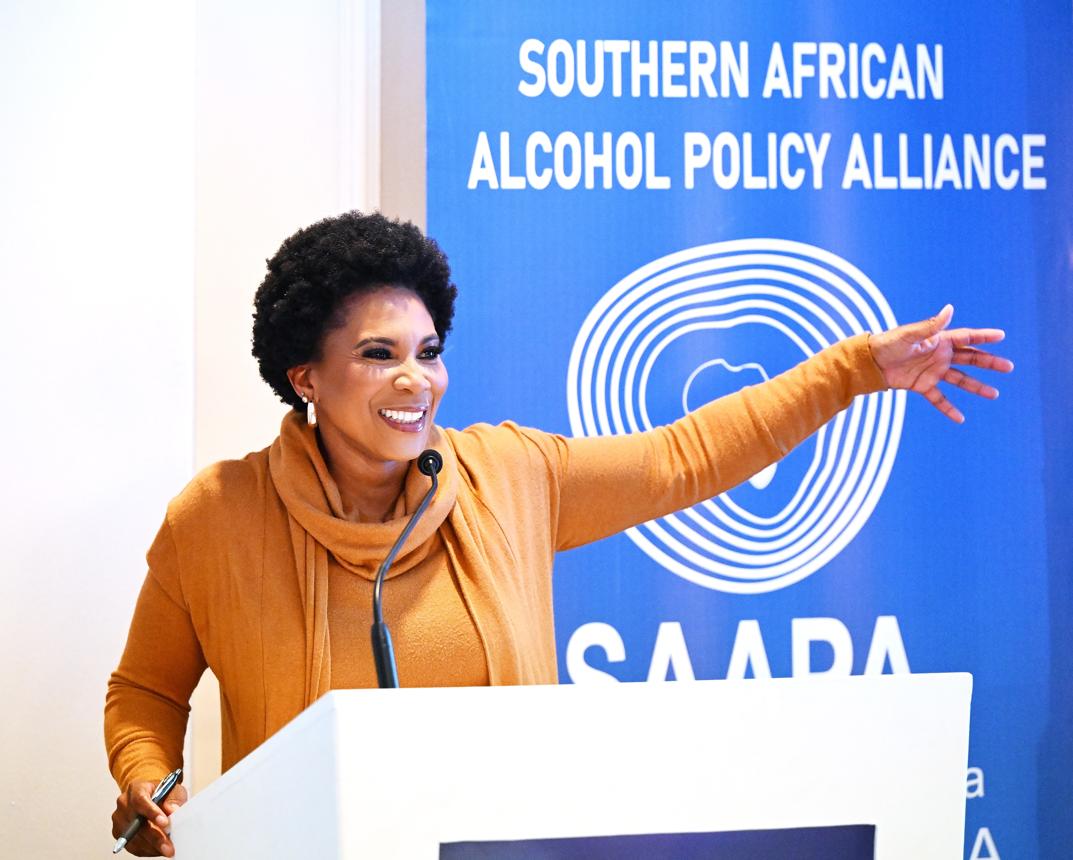
“Civil society leaders, health experts, government representatives, researchers, youth organisations and community representatives are meeting at Constitution Hill in Johannesburg for a three-day National Alcohol Summit focused on reducing alcohol-related harm in South Africa. The gathering, hosted by the Southern African Alcohol Policy Alliance South Africa (SAAPA SA) and the True Cost of Alcohol campaign, is examining policy, taxation, advertising, alcohol availability, violence, road safety, healthcare and community-level interventions.”
South Africa’s civil society sector is intensifying its advocacy around alcohol-related harm, with health experts, community organisations, researchers, government representatives and campaigners gathering at Constitution Hill in Johannesburg for a three-day National Alcohol Summit. The summit, taking place from 1 to 3 October 2026, has brought together stakeholders under the theme “What Needs to Change? Reimagining South Africa’s Response to Alcohol Harm.”
The gathering is significant within South Africa’s broader activism and public-policy landscape because it places civil society organisations at the centre of discussions about how government, communities and other institutions should respond to alcohol-related problems. Rather than concentrating only on individual drinking behaviour, organisers are calling attention to the wider environment surrounding alcohol, including pricing, advertising, availability, regulation, taxation, healthcare, road safety and social consequences.
The summit is being hosted under the True Cost of Alcohol campaign by SAAPA SA and its coalition partners. According to information released ahead of the gathering, the campaign is seeking evidence-based approaches that can reduce alcohol-related harm and strengthen protections for vulnerable communities. The summit also coincides with International No Alcohol Day on 2 October, giving campaigners an additional opportunity to focus public attention on the issue.
SAAPA SA campaign director Nomcebo Dlamini said the purpose of the gathering is to move the conversation closer to communities and encourage practical action. The organisation argues that alcohol-related harm cannot be addressed solely by telling individuals to drink responsibly because individual choices are influenced by the commercial and social environment in which alcohol is sold and consumed.
One of the major issues under discussion is alcohol pricing. SAAPA SA has called for stronger taxation measures, including approaches that take account of the amount of pure alcohol contained in products. The organisation has also raised the possibility of minimum unit pricing, which would establish a minimum price for a unit of alcohol and particularly affect very cheap alcoholic products.
Taxation is therefore being discussed not only as a source of government revenue but also as a possible public-health instrument. Campaigners argue that changes in the affordability of alcohol could form part of a broader strategy aimed at reducing harmful consumption. At the same time, these proposals remain matters for public policy and require consideration of their potential effects on consumers, businesses, government revenue and communities.
Advertising and marketing are another major component of the civil society campaign. SAAPA SA has called for tighter controls on alcohol advertising and promotion, arguing that the way alcohol is marketed can influence the environment in which people make decisions about drinking. The organisation has also identified trading hours and the density of alcohol outlets as areas requiring closer regulatory attention.
The discussions also connect alcohol consumption with several wider social and public-health challenges. Participants have highlighted gender-based violence, road fatalities, injuries, chronic diseases, family problems and harmful drinking among young people as issues that can intersect with alcohol use. SABC News reported that participants at the summit were calling for measures including higher taxes, restrictions on advertising and stronger licensing mechanisms.
Health experts participating in the summit have also highlighted the relationship between alcohol consumption and non-communicable diseases. Professor Sue Goldstein of the Wits Centre for Health Economics and Decision Science said alcohol is associated with several serious health conditions, while also drawing attention to risks associated with alcohol use during pregnancy and drinking and driving.
The discussion around road safety is particularly important because alcohol-related harm extends beyond the person consuming alcohol. Alcohol-impaired driving can expose passengers, pedestrians and other motorists to risks. Goldstein told participants that people killed in alcohol-related crashes can include individuals who were not themselves drinking.
The summit is also examining alcohol’s connection with gender-based violence. SAAPA SA campaign director Nomcebo Dlamini pointed to research indicating a relationship between the concentration of taverns and cases of gender-based violence. This forms part of a wider national debate about the factors contributing to violence against women and the responsibilities of government, communities and institutions.
The activism surrounding the alcohol summit comes as South Africa is simultaneously experiencing renewed civil-society mobilisation around gender-based violence and femicide. On 30 September, civil society groups and supporters participated in demonstrations in Durban, with campaigners demanding action on violence against women and other social concerns.
That broader activism illustrates how South African community campaigns increasingly connect individual social problems with questions of public policy and government implementation. In the alcohol debate, campaigners are asking not only how individuals behave but also how legislation, taxation, enforcement, healthcare and commercial practices shape the conditions in which alcohol-related harm occurs.
Government representatives have also participated in the National Alcohol Summit. The Department of Social Development’s Acting Chief Director for Social Crime Prevention and Anti-Substance Abuse, Mogotsi Kalaemodimo, explained that the department’s approach includes supply reduction, demand reduction and harm reduction. Demand reduction involves prevention, early intervention and treatment, while harm reduction considers consequences at individual, family and community levels.
The participation of government alongside civil society is significant because the summit is intended to move beyond advocacy toward measurable commitments. Organisers have indicated that they want the meeting to produce a Call to Action and Accountability Framework, with responsibilities and indicators that can be assessed after the summit.
The proposed framework could cover areas such as taxation, alcohol pricing, advertising, trading hours, outlet density, drink-driving enforcement, prevention and treatment. SAAPA SA has argued that progress should be measurable rather than limited to public statements or awareness campaigns. Possible indicators include changes in alcohol affordability, exposure to marketing, compliance with trading regulations, road crashes, hospital admissions and access to treatment.
This emphasis on accountability reflects a recurring concern within South African civil society: policies and commitments can have limited impact if implementation is weak or fragmented. Alcohol regulation involves several areas of government, including health, transport, policing, finance, social development and provincial liquor authorities. Effective coordination is therefore an important part of the debate.
The summit also highlights the evolving role of activism in South African politics. Activism does not always take the form of street demonstrations. It can include research campaigns, public hearings, community mobilisation, policy advocacy, petitions, public education and engagement with government institutions. The National Alcohol Summit represents this broader form of civic participation, bringing different sectors together to influence policy discussions.
The immediate challenge will be turning the discussions at Constitution Hill into sustained action. Organisers have stressed that the real test will come after delegates leave the summit, when commitments can be examined against implementation and measurable outcomes.
For South Africa’s civil society movement, the summit therefore represents another attempt to connect community experiences with national policy. Its outcome will depend not only on the proposals discussed but also on whether government institutions, civil society organisations, researchers and communities can maintain cooperation and monitor progress.
The National Alcohol Summit demonstrates how activism continues to play a role in South Africa’s political and policy environment. Through advocacy, research and public engagement, civil society organisations are seeking to influence how the country responds to alcohol-related harm. The discussions at Constitution Hill place particular emphasis on moving from awareness to practical measures, with the coming months expected to provide an opportunity to assess whether the commitments emerging from the summit translate into concrete policy and community-level action.



