




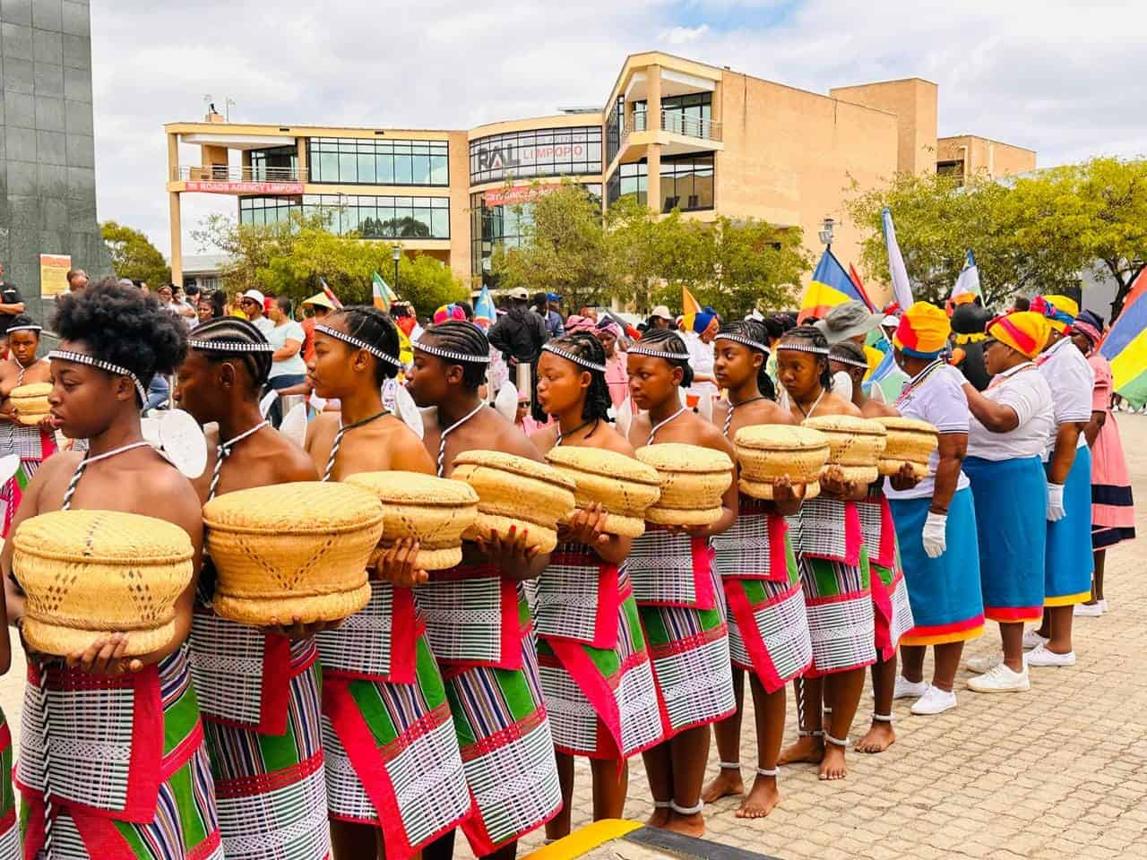
“The build-up to the 2026 Mapungubwe Arts and Culture Festival is bringing performances, craft exhibitions, film screenings and creative workshops to communities across Limpopo, with the Greater Letaba programme scheduled for 29–31 October. The festival aims to celebrate the province’s diverse cultural identities, strengthen community participation and create opportunities for emerging artists, while reinforcing the connection between cultural heritage and tourism.”
Mapungubwe Arts and Culture Festival Builds Momentum as Limpopo Promotes Heritage Tourism and Local Creativity
Limpopo prepares for a celebration of African heritage
Limpopo is preparing for another important celebration of South African culture as the 2026 Mapungubwe Arts and Culture Festival build-up programme moves towards communities in the Mopani District. The initiative brings together traditional performances, music, film, crafts, drama and creative workshops, highlighting the relationship between cultural preservation, tourism and opportunities for local artists.
According to a report published by Mopani Times on 28 October, the programme will visit Greater Letaba Municipality from 29 to 31 October. The activities form part of preparations for the main festival, which is scheduled to culminate on 12 December at Polokwane Cricket Club.
The festival is organised by the Limpopo Department of Sport, Arts and Culture. Its stated objectives include promoting social unity, strengthening community engagement and showcasing the province’s diverse cultural traditions.
For travellers seeking experiences beyond conventional sightseeing, the programme offers an opportunity to explore how music, dance, visual arts and storytelling contribute to the identity of South African communities.
Mapungubwe’s historical significance provides the foundation
The festival takes its name from Mapungubwe, a historically significant archaeological landscape in Limpopo associated with an early African kingdom and long-distance trade networks. The Mapungubwe Cultural Landscape is recognised as a UNESCO World Heritage Site, giving the festival a strong connection to the country’s historical and cultural heritage.
The name also reflects the organisers’ intention to celebrate Limpopo as a meeting place of different African cultures. Through artistic performances and exhibitions, the festival brings attention to traditions that continue to influence contemporary music, clothing, storytelling, performance and community life.
Cultural tourism can help visitors understand these connections more deeply. Rather than simply travelling through a destination, tourists can engage with local creative expression, learn about regional histories and discover the people who keep traditions alive.
However, the festival programme and the archaeological heritage site should not be confused. The festival is a contemporary cultural event inspired by the region’s heritage, while the Mapungubwe Cultural Landscape has its own historical significance and conservation requirements.
This distinction matters because successful heritage tourism must celebrate living culture while protecting historical places and respecting the communities connected to them.
Greater Letaba becomes a centre of cultural activity
The upcoming Mopani programme will distribute activities across three days and several community locations.
The opening programme is scheduled for 29 October at Modjadji’s Kloof Bus Rank. Planned activities include local artists’ performances, film screenings, cultural dances, choral music, clap-and-tap performances and craft exhibitions.
On 30 October, activities will move to Sekgopo Community Hall, where creative skills workshops and drama performances are planned. The programme will then conclude its Greater Letaba leg on 31 October with a traditional cultural festival at the local sports complex.
This community-based approach has potential benefits for both residents and visitors. By taking activities into familiar public spaces, organisers can make cultural participation more accessible to people who might otherwise face transport costs or other barriers to attending large events.
It can also introduce visitors to places outside the country’s most heavily marketed tourism centres. Travellers who attend community events may discover local crafts, food traditions, performance styles and small businesses that are not always represented in conventional travel itineraries.
Nevertheless, the extent of the economic benefit will depend on factors such as visitor numbers, local purchasing, accommodation demand and the involvement of community businesses. The announcement does not provide visitor forecasts or projected tourism revenue.
A platform for established and emerging artists
One of the festival’s most significant features is its intention to widen opportunities for creative talent.
The Limpopo provincial government has indicated that the 2026 programme will include district-level competitions. Artists who perform successfully at this stage may be invited to participate in the main festival in December.
At the festival launch on 30 September, provincial Member of the Executive Council Constance Bellah Kupa-Mabuza highlighted the importance of providing platforms for both established and emerging artists. The report notes that aspiring performers had previously raised concerns about their inclusion in festival line-ups.
The planned competitions could help address this concern by giving artists opportunities to demonstrate their abilities closer to home.
For emerging musicians, dancers, actors, filmmakers and craftspeople, public performances can offer exposure to audiences, fellow creatives and potential collaborators. They may also provide opportunities to develop professional networks and gain experience performing in organised events.
However, meaningful inclusion requires more than an invitation to perform. Artists also benefit from clear selection criteria, transparent compensation arrangements, accessible venues and opportunities to participate in future programmes.
If these elements are developed alongside the festival, the initiative could strengthen the local creative economy beyond the event itself.
Traditional culture meets contemporary expression
The festival’s planned programme extends beyond traditional dance and music. Drama, fashion, film, comedy, exhibitions and performances are also part of the broader celebration.
This combination reflects the evolving nature of South African culture. Heritage is not limited to historical objects or practices preserved unchanged over generations. It is also expressed through contemporary interpretations, new artistic techniques and conversations between generations.
Traditional music may inspire modern compositions, while historic clothing styles can influence contemporary fashion. Similarly, filmmakers and dramatists can use local stories to explore identity, migration, family relationships and social change.
For cultural tourists, these connections create opportunities to experience heritage as something active and evolving rather than something confined to museums or historical monuments.
At the same time, organisers and performers have a responsibility to represent cultural traditions respectfully. Community participation, appropriate acknowledgement of cultural knowledge and collaboration with tradition-bearers can help ensure that heritage is presented with context rather than reduced to entertainment alone.
Cultural tourism can support local businesses
Festivals can create opportunities for businesses that serve visitors, including accommodation providers, restaurants, transport operators, informal traders and craft producers.
Visitors travelling to Greater Letaba may seek places to eat, purchase locally made products or arrange transport between programme venues. These activities can distribute some tourism spending beyond major commercial centres.
For artisans, exhibitions provide a particularly relevant opportunity to introduce handmade products to new audiences. Where sales arrangements are available, visitors can purchase work directly from creators, helping them retain a greater share of the value generated by their products.
Local food businesses can also benefit when visitors explore regional dishes and culinary traditions. Food, like music and dance, communicates cultural knowledge and provides a practical way for travellers to connect with a destination.
Still, these benefits are not automatic. Clear event information, reliable transport arrangements, accessible facilities and promotion through tourism networks can influence whether visitors attend and spend money locally.
Small businesses may also need support with pricing, product presentation, digital promotion and payment systems to take advantage of increased demand.
The festival’s long-term tourism value will therefore depend partly on how effectively the event connects artistic programming with the wider visitor economy.
Promoting Limpopo beyond traditional tourism routes
South Africa’s tourism offering includes wildlife, scenic landscapes, coastlines, cities and cultural attractions. The Mapungubwe festival provides another reason for travellers to consider Limpopo as a destination for arts and heritage experiences.
Its community-based activities could encourage visitors to explore places that receive less attention than major tourism hubs. For domestic travellers, the programme may offer an opportunity to experience regional creativity while learning about the histories and identities associated with the province.
International visitors may also find value in cultural experiences that provide context for South Africa’s diversity. However, attracting international tourists generally requires coordinated information, transport options, suitable accommodation and effective marketing.
The provincial government’s ambition is to strengthen the festival’s profile and increase its recognition beyond Limpopo. Kupa-Mabuza has expressed the intention to develop the Mapungubwe Festival into a brand with international recognition.
Achieving that ambition will require sustained investment in programme quality, artist development, visitor services and partnerships with tourism operators. Consistent annual planning and accessible information about dates, venues and activities could also help visitors organise trips in advance.
The importance of community participation
A major cultural festival can be most meaningful when residents are active participants rather than simply an audience.
Community venues, local performers and creative workshops can encourage residents to contribute knowledge, demonstrate skills and share their perspectives. They can also create spaces where older and younger generations encounter one another through music, performance and craft.
For young people, these activities may provide opportunities to learn about local traditions while exploring careers in the creative industries. For older residents and cultural practitioners, they can provide a platform to pass on knowledge and explain the significance of practices that might otherwise receive limited public attention.
Community participation also matters for tourism sustainability. Visitors are more likely to gain a meaningful understanding of a destination when local people have a voice in how their culture is presented.
Organisers can strengthen this relationship by consulting residents, supporting local suppliers and ensuring that cultural activities are accessible to different groups. These measures can help keep the festival connected to the communities whose identities it celebrates.
Looking towards the December finale
The Greater Letaba programme is one stage of a wider build-up to the Mapungubwe Arts and Culture Festival’s main event on 12 December at Polokwane Cricket Club.
The planned district-level competitions, together with the festival’s mix of music, traditional dance, drama, fashion, film and comedy, are intended to provide opportunities for performers from across Limpopo.
The coming weeks will provide an opportunity to assess how effectively the programme reaches local audiences, supports emerging artists and attracts visitors to participating communities.
Useful measures of success would include attendance, artist participation, sales by local traders, visitor feedback and the extent to which participating businesses benefit. The published announcement does not yet provide figures for these outcomes.
For travellers considering attending, the Greater Letaba programme is scheduled for 29–31 October, while the main festival is planned for 12 December. Visitors should confirm venue arrangements and any access requirements with the organisers before travelling.
Ultimately, the Mapungubwe Arts and Culture Festival represents an opportunity to connect cultural celebration with tourism development. By bringing performances and creative activities into communities, the initiative can help showcase Limpopo’s cultural diversity, encourage artistic participation and create reasons for visitors to explore the province.
Its lasting impact will depend not only on the size of the celebrations, but also on whether artists receive meaningful opportunities, local businesses benefit and the region’s heritage is represented respectfully. If those priorities remain central, the festival could strengthen Limpopo’s position as a destination where history, contemporary creativity and community life meet.



