




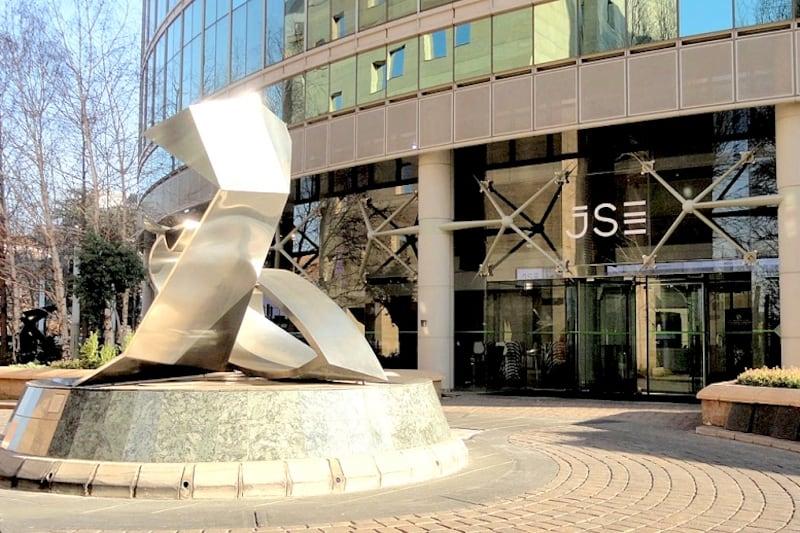
“South Africa’s equity market recorded a strong weekly performance, with the Johannesburg Stock Exchange (JSE) All Share Index gaining 4.76% and the Top 40 Index advancing 5.33% during the week ending 6 November 2026. Rising gold prices, improved global investor sentiment, movements in international markets and expectations surrounding South Africa’s municipal elections helped support equities, while investors now turn their attention to upcoming corporate earnings and economic developments.”
South African equities record strong weekly gains
South Africa’s financial markets experienced a significant improvement in investor sentiment during the week ending 6 November 2026, as the Johannesburg Stock Exchange (JSE) recorded substantial gains across its major equity indices. The All Share Index advanced 4.76% over the week, while the Top 40 Index climbed 5.33%, reflecting renewed appetite for listed shares following developments in international financial markets and domestic political expectations.
The rally represented an important development for investors following periods of uncertainty surrounding global economic conditions, commodity prices and South Africa’s growth outlook. Although the gains provided encouragement for market participants, analysts and investors continued to monitor whether the improvement could translate into sustained market performance.
The performance also demonstrated the importance of international developments to South African equities. Gold prices, movements in the United States dollar, Chinese economic activity and changing expectations concerning global monetary policy remained significant influences on the Johannesburg market.
Gold prices provide important support
One of the principal drivers of the JSE’s improved performance was strength in precious metals markets. Gold remained a central consideration for investors because South Africa’s listed mining companies have substantial exposure to the international bullion market.
Gold’s performance influences the revenue expectations, profitability and investment appeal of mining companies operating in the country. When international gold prices rise, investors frequently reassess the earnings potential of gold producers, particularly companies with established operations and relatively competitive production costs.
During the recent market rally, several gold mining companies recorded substantial share price improvements.
Harmony Gold, AngloGold Ashanti and Gold Fields were among the companies benefiting from the stronger precious metals environment. Platinum producers also attracted investor attention, with Northam recording notable gains during Thursday’s trading session.
According to Moneyweb’s market coverage, Harmony gained 6.35%, AngloGold Ashanti advanced 3.56%, Gold Fields increased 3.25%, while Northam rose 5.56% during the Thursday session.
The gains reflected renewed investor interest in mining shares and demonstrated the sector’s influence on the overall performance of the JSE.
Gold’s importance to South Africa extends beyond financial markets. The mining industry contributes to employment, exports, foreign exchange earnings and economic activity across several provinces. Consequently, improvements in the profitability outlook for mining companies can influence broader investor perceptions of the South African economy.
Nevertheless, mining shares remain exposed to fluctuations in international commodity prices, operational challenges, electricity costs, transport infrastructure and exchange rate movements.
International political developments influence investor sentiment
Global political developments also contributed to the improvement in market sentiment.
The United States midterm elections produced a significant political outcome, with Democrats gaining control of both chambers of Congress. Financial markets responded to expectations that the result could constrain the administration’s legislative agenda and influence future economic policy.
The political development affected expectations surrounding government spending, taxation, inflation and financial market conditions.
International investors closely monitor American political developments because the United States remains a major influence on global financial markets. Changes in expectations concerning American economic policy can affect bond yields, currency movements, commodity prices and emerging market investment flows.
South Africa, as an emerging market economy, is particularly sensitive to changes in global investor appetite.
When international investors become more comfortable with risk, emerging market assets can attract additional investment. Conversely, periods of uncertainty can encourage investors to move capital towards assets perceived as safer.
The improvement in global sentiment therefore provided an important background to the JSE’s strong weekly performance.
Banking shares attract renewed investor interest
South African banking shares were another important contributor to the market rally.
Banks are among the most influential companies listed on the JSE, with major institutions including FirstRand, Standard Bank, Absa, Nedbank and Capitec attracting considerable attention from domestic and international investors.
Banking shares can benefit when investor expectations improve regarding economic growth, lending activity, financial stability and corporate profitability.
During the Thursday rally, the financial sector recorded particularly strong gains, outperforming several other market segments. MoneyWeb reported that financial shares advanced by more than 4% during the session.
Investors also considered the possibility that improving global conditions could support emerging market financial institutions.
However, the outlook for South African banks remains closely connected to domestic economic conditions.
Household income pressures, unemployment, borrowing costs and credit demand all influence banking performance. A stronger economic environment could improve lending opportunities and reduce certain credit risks, while weaker household finances could increase pressure on borrowers.
Naspers and Tencent influence market performance
Technology investment company Naspers also played an important role in the JSE’s recent performance.
Naspers maintains significant exposure to international technology businesses through its investment structure, particularly its relationship with Prosus and Chinese technology company Tencent.
Developments affecting Tencent can therefore influence Naspers and the broader Johannesburg market.
During Thursday’s rally, Naspers recorded a substantial share price increase, benefiting from improving sentiment towards Chinese technology companies.
MoneyWeb reported that Naspers gained 10.36%, closing at R777.12 per share during the session.
This performance illustrated how developments outside South Africa can influence domestic equity benchmarks.
Because large companies account for considerable portions of the JSE’s market capitalisation, movements in individual heavyweight shares can materially influence the performance of the overall index.
Investors therefore continue to monitor developments in China, including economic stimulus initiatives, technology investment and consumer activity.
Oil prices and inflation expectations remain important
Oil prices also remained an important factor influencing South African financial markets.
Lower international oil prices can potentially reduce fuel costs, ease inflationary pressures and improve the outlook for households and businesses.
South Africa imports substantial quantities of petroleum products, making international energy prices an important influence on domestic inflation and the country’s external accounts.
A sustained decline in oil prices could provide relief to consumers through lower fuel costs, although the eventual effect on local pump prices also depends on exchange rate movements, taxes and domestic pricing mechanisms.
The recent decline in oil prices also affected energy-related shares.
Sasol experienced considerable volatility during Thursday’s trading session, illustrating the contrasting effects of commodity price movements on different companies.
MoneyWeb reported that Sasol declined 4.27% to R254.16 per share during the session, despite the broader market rally.
This divergence demonstrated that a stronger overall market does not necessarily translate into gains for every listed company.
Rand movements remain central to the investment outlook
The South African rand continued to attract attention as investors assessed international economic developments and domestic political conditions.
Currency movements influence the competitiveness of exporters, the cost of imported goods and the profitability of companies with international operations.
A stronger rand can reduce the domestic cost of imported fuel, machinery and consumer products. However, it can also reduce the rand value of foreign earnings generated by exporters and multinational companies.
For mining businesses, exchange rate movements are particularly important because revenues are frequently linked to international commodity prices while many operating expenses are incurred locally.
Daily Investor reported that the rand traded around R16.55 against the US dollar on Sunday, 8 November 2026, compared with approximately R16.71 at the beginning of the preceding week. This represented an improvement of about 0.97% over the week.
The currency’s performance remained dependent on global dollar movements, commodity prices, domestic economic expectations and investor confidence.
Municipal elections add another dimension
South Africa’s municipal elections also formed part of the broader investment environment.
Investors generally monitor political developments for their potential implications for economic policy, infrastructure investment, governance and public service delivery.
The possibility of changes in municipal leadership and coalition arrangements can influence expectations concerning urban management, electricity distribution, water infrastructure, transport systems and business operating conditions.
However, election outcomes do not automatically translate into immediate economic improvements.
The implementation of policies, institutional capacity and the ability of municipalities to maintain reliable services remain important considerations.
For investors, the significance of political developments lies partly in whether they contribute to improved governance, economic stability and stronger confidence in the country’s long-term investment prospects.
Upcoming corporate earnings attract market attention
Attention is now shifting towards corporate earnings announcements scheduled for November.
Companies reporting their financial performance provide investors with important information about revenue growth, operating costs, profitability, investment plans and future business expectations.
Omnia is expected to release interim results on Monday, 9 November 2026.
The company has indicated that earnings per share for the six months ending September 2026 could increase by between 25% and 35%, reaching approximately 407 to 440 cents. Headline earnings per share are also expected to rise between 18% and 28%.
Vodacom is expected to release interim results on 10 November, while Coronation Fund Managers is scheduled to publish annual financial results on 17 November.
Astral Foods and Invicta Holdings are also expected to report results later in the month.
These announcements could provide additional insight into the performance of South African businesses under prevailing economic conditions.
Market outlook: Investors remain cautiously optimistic
The JSE’s strong weekly performance has improved the immediate outlook for South African equities, although the sustainability of the rally remains uncertain.
Investors will continue monitoring international commodity prices, American monetary policy, Chinese economic developments, domestic inflation and corporate earnings.
South Africa’s economic fundamentals will also remain important.
Economic growth, infrastructure reliability, employment, household spending and government finances will influence investor confidence over the coming months.
The performance of the rand and the direction of interest rates could also affect investment decisions across equities, bonds and property markets.
For retail investors, the recent rally highlights the importance of understanding sector exposure and market volatility.
Mining companies, banks, technology investment businesses and industrial firms respond differently to economic developments. Diversification and careful assessment of investment risks remain important considerations.
Conclusion
South Africa’s financial markets entered the second week of November with renewed optimism following the JSE’s 4.76% weekly gain and the Top 40 Index’s 5.33% advance.
Gold mining shares, banking stocks and heavyweight technology investments helped support the market, while international political developments and changing commodity prices influenced investor sentiment.
The upcoming corporate earnings season will provide additional information about the financial health of South African companies and their ability to navigate economic challenges.
Although the rally represents an encouraging development, investors will need to assess whether improved sentiment is supported by sustainable earnings growth, stronger economic activity and continued financial stability.
The direction of the South African market in the coming weeks will ultimately depend on the interaction between global developments, domestic economic conditions and the performance of listed companies.



