




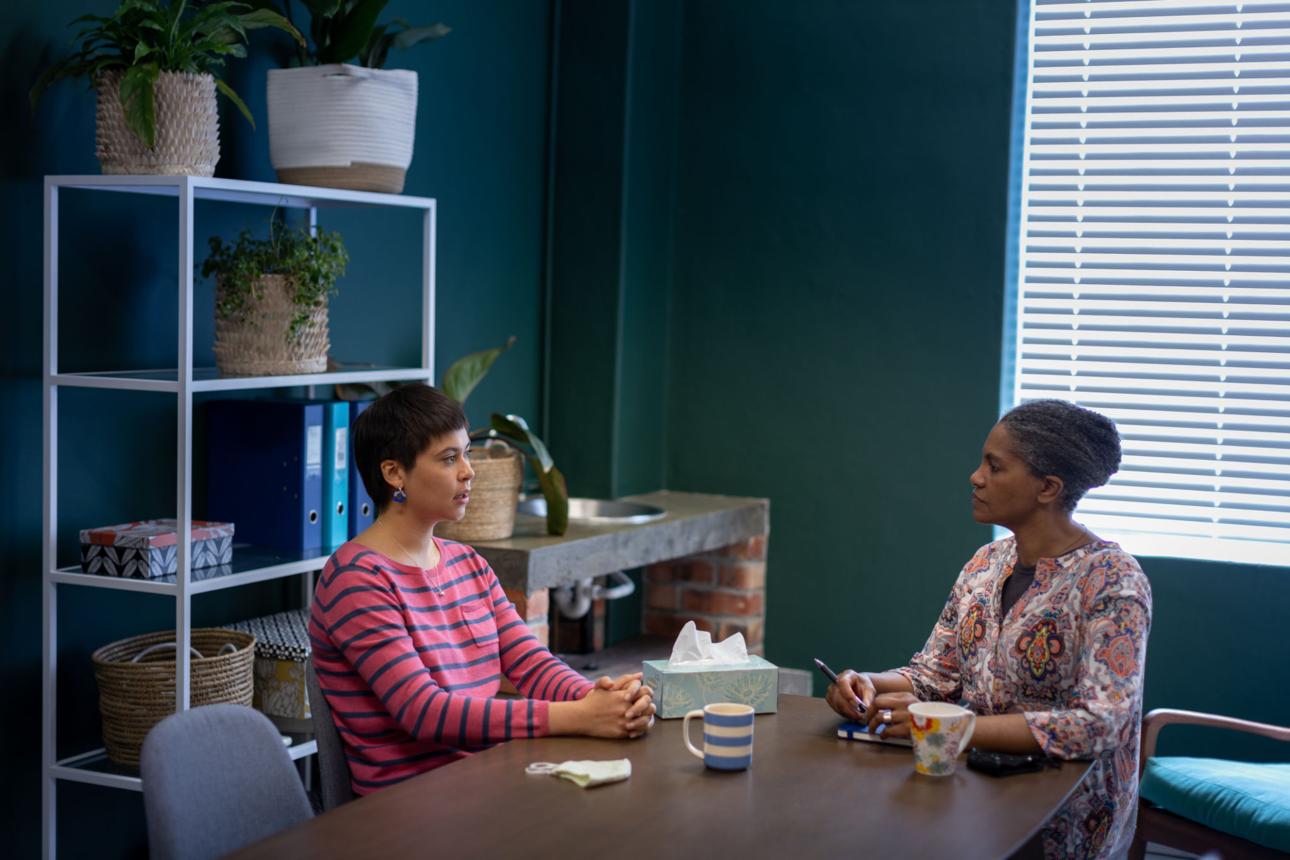
“Parliament’s Multi-Party Women’s Caucus has urged stronger cooperation across government and society to address women’s mental-health needs, following a Department of Health briefing that highlighted the effects of anxiety, depression, gender-based violence, poverty and unequal caregiving responsibilities. The discussion puts mental health firmly on South Africa’s public-health and policy agenda, raising questions about access to treatment, prevention, funding and support for vulnerable communities.”
South Africa’s Mental Health Crisis: Parliament Calls for Urgent Action to Protect Women and Girls
A growing public-health and human-rights concern
South Africa’s efforts to improve mental-health care have received renewed attention following a parliamentary call for urgent, coordinated action to address the psychological challenges affecting women and girls. The Multi-Party Women’s Caucus raised concerns after receiving a briefing from the National Department of Health on 16 October 2026. The discussion highlighted the relationship between mental illness, poverty, gender-based violence, unemployment, unequal caregiving responsibilities and limited access to appropriate healthcare.
The development is significant because mental health is increasingly recognised as more than a medical concern. It affects families, education, employment, community safety and the ability of individuals to participate fully in society. For policymakers, the challenge is to ensure that commitments made in Parliament lead to practical improvements in prevention, diagnosis, treatment and long-term support.
The caucus chairperson, Lindelwa Dunjwa, emphasised that women’s mental health should be treated as a public-health and human-rights priority. Her intervention reflects a wider policy debate about whether existing services are adequately equipped to respond to the pressures faced by women across different stages of life.
Although the parliamentary briefing took place before 20 October, its implications remain relevant to current discussions about South Africa’s healthcare priorities. The central question is whether government departments can work together to address the underlying causes of psychological distress while improving access to professional care.
Understanding the scale of the problem
Information presented during the parliamentary briefing indicated that mental-health conditions affect a substantial proportion of the population. According to the reporting, almost one-third of South Africans may experience a common mental disorder during their lifetime. Anxiety, depression and post-traumatic stress disorder were among the conditions highlighted as particularly relevant to women.
These conditions can affect sleep, concentration, relationships, decision-making and the ability to maintain employment. In more severe cases, they can substantially impair daily functioning and require specialised medical treatment.
However, mental illness does not affect everyone in the same way. Personal circumstances, physical health, family relationships, financial security and exposure to violence can influence both the risk of developing a condition and the ability to recover.
Women facing several forms of disadvantage may encounter additional barriers. Someone experiencing domestic abuse, for example, might need psychological treatment while simultaneously seeking safe accommodation, legal assistance and financial support. Treating anxiety or depression without addressing the immediate threats and pressures in that person’s environment may leave important problems unresolved.
Consequently, mental-health policy must consider the social circumstances in which people live. Clinical services remain essential, but they cannot independently eliminate poverty, violence, unsafe housing or unequal access to economic opportunities.
Gender-based violence and psychological distress
Gender-based violence remains an important concern in discussions about women’s mental health. Exposure to physical or sexual violence, coercive control, intimidation and persistent threats can contribute to anxiety, depression and trauma-related symptoms.
The effects may continue long after an incident has occurred. Survivors can experience fear, disturbed sleep, difficulty trusting others, social isolation and problems concentrating at school or work. Some may avoid seeking assistance because they fear retaliation, blame or discrimination.
These experiences demonstrate why mental-health services and violence-prevention programmes should operate in a coordinated manner. Police, healthcare professionals, social workers, shelters and justice services can all play important roles in helping survivors obtain protection and treatment.
For policymakers, this means that preventing violence is also an investment in public mental health. Awareness campaigns must be accompanied by accessible reporting mechanisms, survivor-centred services, trained professionals and dependable referral systems.
Health Minister Dr Aaron Motsoaledi also highlighted the relationship between substance misuse, violence and socioeconomic hardship during the discussions reported by NovaNews. Alcohol and drug misuse can complicate family circumstances, increase pressure on healthcare services and contribute to some unsafe environments. However, substance use and violence have complex causes, and effective responses require evidence-based prevention and treatment rather than simplistic explanations.
Poverty, unemployment and the burden of caregiving
Economic insecurity is another important factor in the mental-health debate. When households struggle to afford food, transport, housing and healthcare, persistent uncertainty can become a source of psychological strain.
Unemployment can also undermine self-confidence, increase family conflict and limit access to resources that support recovery. People experiencing depression may find it difficult to search for work or maintain regular employment, while financial hardship can make it harder to obtain treatment. This relationship can create a cycle in which psychological distress and economic insecurity reinforce one another.
Women may face additional pressure from unpaid caregiving responsibilities. Looking after children, older relatives or family members with disabilities can involve considerable emotional and physical demands, particularly when affordable childcare and community support are unavailable.
These responsibilities should not automatically be interpreted as causes of mental illness. Nevertheless, sustained pressure combined with inadequate support can increase vulnerability, especially when people have little time to rest or access professional assistance.
Government responses should therefore connect mental-health services with social development programmes. Employment initiatives, social assistance, childcare support and accessible community services can help address some of the circumstances that place pressure on mental wellbeing.
This approach would also recognise that preventing mental illness is not solely the responsibility of hospitals and psychologists. Decisions made by departments responsible for employment, education, housing and social development can influence the conditions in which people maintain their mental health.
Pregnancy, childbirth and women’s changing health needs
The parliamentary discussion also drew attention to mental-health concerns associated with childbirth and other stages of women’s lives. Hormonal changes, physical illness and demanding life circumstances can interact with existing vulnerabilities.
Perinatal mental-health conditions, which can develop during pregnancy or after childbirth, deserve particular attention. Depression and anxiety during this period can affect a mother’s wellbeing, relationships and ability to manage daily responsibilities. Severe conditions, including postpartum psychosis, require urgent professional assessment and treatment.
However, distress after childbirth should not be dismissed as an unavoidable part of motherhood. Women should be able to discuss symptoms confidentially with trained healthcare workers and receive appropriate support without fear of judgement.
The Department of Health reportedly described efforts to strengthen mental-health screening during antenatal and postnatal care. Nurses are being trained to recognise warning signs and refer women who need additional assistance.
Such measures could help identify problems earlier, especially when integrated into routine maternal healthcare. Nevertheless, screening is only useful when referral pathways lead to timely assessment, treatment and follow-up.
Specialist mother-and-baby psychiatric services are also important for women experiencing severe illness. Parliamentary participants raised questions about the availability of these services, including support for postpartum psychosis and severe perinatal depression.
Expanding appropriate services would help ensure that women receive treatment suited to their circumstances rather than relying exclusively on general facilities that may lack specialised resources.
Shortages in mental-health services
One of the most serious challenges identified during the briefing was the limited capacity of the mental-health system. Reported constraints include shortages of trained professionals, restricted funding and insufficient psychiatric beds.
These limitations can delay treatment and place additional pressure on families who may not know where to seek assistance. When specialist services are unavailable locally, patients may need to travel long distances, pay for transport and miss work or school to attend appointments.
Rural communities can face particular difficulties where mental-health professionals and specialised facilities are concentrated in larger urban centres. People who cannot afford repeated journeys may struggle to maintain continuity of care.
The Department of Health has been working under the National Mental Health Policy Framework and Strategic Plan for 2023–2030, which aims to strengthen primary healthcare, improve infrastructure, expand the mental-health workforce and increase public awareness.
The policy challenge is implementation. Plans require sufficient budgets, clear responsibilities, measurable targets and regular public reporting. Without these elements, commitments can remain difficult to translate into consistent services.
Expanding the role of primary healthcare facilities could improve access because patients would not always need to visit specialised psychiatric hospitals for initial assessment and routine follow-up. However, primary healthcare workers must receive appropriate training, supervision and referral support.
Community health workers can also help people recognise warning signs and navigate available services. Their role should complement, rather than replace, professional mental-health treatment.
Schools, communities and early intervention
Young people are another important focus of South Africa’s mental-health response. Difficulties at home, bullying, violence, academic pressure and financial insecurity can contribute to emotional distress among children and adolescents.
School-based programmes may help identify problems before they become more serious. According to the parliamentary reporting, school-health initiatives are being expanded to identify psychological distress and suicide risk among young people.
For these programmes to work effectively, teachers and school staff need clear procedures for responding to concerns. They should be able to refer learners to qualified professionals while protecting confidentiality and avoiding stigmatising language.
Families also need understandable information about when and where to seek help. Community awareness programmes can challenge the misconception that mental illness represents personal weakness or a failure of character.
Traditional and community leaders may help people access support, particularly in areas where formal healthcare services are difficult to reach. The reporting indicates that community health workers and traditional healers are receiving training to recognise warning signs and refer people for assistance.
Such collaboration must maintain clear boundaries. Serious mental-health conditions require appropriate clinical assessment, and urgent situations must not be delayed by ineffective or unsafe interventions.
What government must do next
The parliamentary call for coordinated action places responsibility on more than one department. The Department of Health must strengthen clinical services, while departments responsible for education, social development, justice and law enforcement address related social and institutional challenges.
First, government should assess whether funding reaches facilities and communities with the greatest unmet needs. Staffing levels, waiting times, referral completion and access to psychiatric beds are practical indicators that can help measure progress.
Second, policymakers should improve access to services in rural and underserved communities. This could include strengthening primary healthcare teams, supporting outreach programmes and using appropriate telehealth services where connectivity, privacy and clinical needs permit.
Third, mental-health support should be integrated into services used by women regularly, including maternal healthcare, violence-response programmes and social assistance services. Integration can reduce the burden of navigating separate institutions.
Fourth, government should improve public reporting. Clear information about spending, vacancies, treatment access and programme outcomes would allow Parliament and communities to assess whether announced initiatives are producing measurable results.
Finally, consultation with people who have experienced mental illness is essential. Patients, survivors, caregivers and community organisations can identify practical barriers that may not be apparent in administrative reports.
These are policy priorities and recommendations arising from the issues raised; they should not be mistaken for a claim that every measure has already been approved or implemented.
Accountability and the road ahead
The Multi-Party Women’s Caucus indicated that it intended to continue engaging with the Department of Health after the local government elections, following up on outstanding questions and monitoring implementation of mental-health strategies.
That follow-up could provide an opportunity to move the discussion from recognising the problem towards evaluating specific commitments. Parliament can use oversight hearings and departmental reporting to examine whether funding, staffing and service delivery are improving.
Local government also has an important role through community services, public information, local partnerships and coordination with provincial healthcare structures. Although municipalities do not independently control every aspect of mental-health policy, local leadership can help connect residents with existing support.
The broader test will be whether people can obtain timely, appropriate and affordable assistance when they need it. A policy framework is valuable only when it produces meaningful improvements in everyday life.
Conclusion
South Africa’s renewed parliamentary focus on women’s mental health highlights the connection between healthcare, economic security, gender equality and human rights. Anxiety, depression and trauma cannot be addressed effectively without considering the circumstances that expose people to distress or prevent them from accessing treatment.
The Department of Health’s policy framework, primary-care initiatives and reported screening programmes provide a foundation for action. However, workforce shortages, limited specialist capacity and unequal access remain important concerns requiring sustained attention.
The next stage must involve practical implementation, transparent reporting and cooperation between government departments and communities. By improving prevention, expanding professional services and addressing the social pressures that affect mental wellbeing, South Africa can work towards a more accessible and responsive mental-health system for women, girls and the wider population.
Ultimately, the significance of Parliament’s intervention will be measured not simply by the attention it receives, but by whether people experiencing psychological distress can obtain the support, protection and treatment they need.



