




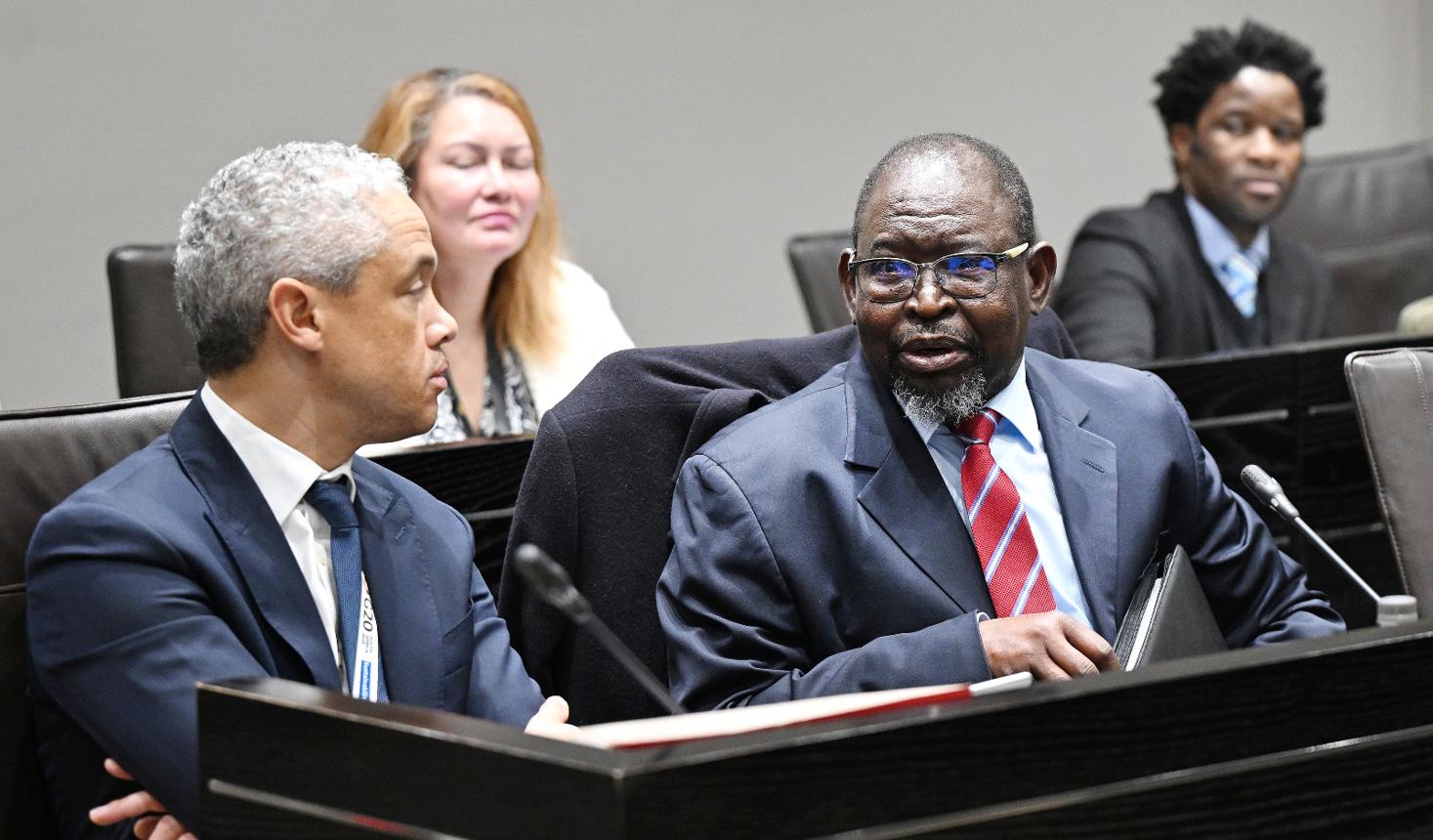
“South Africa’s parliamentary committees are advancing scrutiny of the 2026 budget-related legislation, including the Division of Revenue Amendment Bill, Adjustments Appropriation Bill and Special Appropriation Bill, as lawmakers assess government spending priorities and allocations. The process is significant because the Bills could influence national expenditure, provincial and municipal funding, public services and the financial accountability of government institutions.”
South African Parliament Intensifies Scrutiny of 2026 Spending Bills as Fiscal Accountability Takes Centre Stage
South Africa’s parliamentary legislative agenda has entered an important phase as lawmakers intensify their examination of government spending proposals, revenue measures and financial accountability through the 2026 budget-related Bills. Parliamentary committees are reviewing legislative instruments introduced alongside the Medium-Term Budget Policy Statement (MTBPS), with implications for national expenditure, provincial funding, municipal finances and public service delivery.
The developments place Parliament at the centre of efforts to ensure that government spending decisions are properly examined, transparently justified and aligned with the country’s economic priorities. The legislative process is particularly important at a time when public institutions face pressure to improve financial management, strengthen accountability and demonstrate measurable results from public expenditure.
Parliament Examines Spending Legislation
The Minister of Finance tabled several budget-related Bills during the presentation of the 2026 Medium-Term Budget Policy Statement on 21 October 2026.
These legislative measures include the Division of Revenue Amendment Bill, Adjustments Appropriation Bill and Special Appropriation Bill for the 2026/27 financial year.
The Bills are being considered through Parliament’s established legislative and financial oversight procedures. Their examination involves committees responsible for assessing spending priorities, allocations between government spheres and the financial implications of proposed adjustments.
According to Parliament’s committee notices, the appropriations committees are required to consider national spending priorities over the next three years, proposed revenue allocations between spheres of government and substantial adjustments to conditional grants where applicable.
The legislative process therefore extends beyond approving expenditure. It also provides an opportunity for lawmakers to question the assumptions underpinning government spending and evaluate whether allocations adequately address public needs.
Public Participation and Parliamentary Accountability
Public participation remains an important component of the legislative process.
Parliament has invited stakeholders and interested parties to submit written representations on the 2026 budget-related legislation. These submissions provide an opportunity for organisations, communities, professional associations and members of the public to raise concerns about spending priorities and funding arrangements.
Public hearings scheduled for 13 November 2026 will address the Division of Revenue Amendment Bill and Special Appropriation Bill. The process is intended to strengthen parliamentary scrutiny by allowing stakeholders to contribute perspectives before committees finalise their recommendations.
Public participation can help legislators identify practical problems that may not be immediately apparent from government financial documents. It can also provide information about the effects of spending decisions on communities, public institutions and businesses.
The quality of parliamentary consideration will depend partly on whether these submissions receive meaningful attention and whether concerns are reflected in committee recommendations.
Division of Revenue and the Funding of Public Services
The Division of Revenue Amendment Bill is particularly important because it concerns the distribution of financial resources across South Africa’s different spheres of government.
National, provincial and local authorities have distinct responsibilities for delivering public services. Their ability to fulfil those responsibilities depends on appropriate funding arrangements and effective coordination.
Provincial governments play significant roles in education, healthcare and other essential services. Municipalities are responsible for important local functions, including infrastructure, water provision, sanitation and community services.
Consequently, decisions about revenue allocation can have direct implications for service delivery.
The legislative process provides Parliament with an opportunity to assess whether proposed funding arrangements adequately support government responsibilities and whether adjustments are justified.
Lawmakers must also consider the implications of conditional grants, which are designed to support specific programmes and objectives.
Effective oversight requires more than examining the amount allocated. It also involves assessing whether institutions possess the capacity to use resources effectively and whether expenditure produces measurable public benefits.
Adjustments Appropriation and Government Expenditure
The Adjustments Appropriation Bill provides another significant element of the legislative agenda.
Government expenditure requirements can change during a financial year as circumstances develop, priorities evolve and additional financial needs emerge.
The adjustments process allows Parliament to examine proposed changes to previously approved spending arrangements.
However, the process also raises important accountability questions.
Lawmakers must consider whether additional allocations are adequately justified, whether they respond to genuine public needs and whether institutions receiving additional funding have demonstrated the capacity to manage resources responsibly.
Financial adjustments should be accompanied by clear explanations of their objectives and expected outcomes.
Parliament’s oversight role is therefore essential in ensuring that expenditure changes remain subject to appropriate scrutiny rather than becoming an administrative exercise without sufficient public accountability.
Special Appropriation and Additional Financial Requirements
The Special Appropriation Bill for the 2026/27 financial year also forms part of the legislative package under consideration.
Special appropriations provide a legislative mechanism for addressing additional financial requirements of the state.
The process requires Parliament to consider the purpose of proposed allocations and their implications for government finances.
In evaluating such measures, legislators must balance competing demands for public resources against the need to maintain financial sustainability.
The significance of the Special Appropriation Bill lies in its potential to support additional state requirements while preserving parliamentary control over public expenditure.
The public hearings scheduled for 13 November offer stakeholders an opportunity to raise questions about the proposed arrangements and their wider implications.
Revised Fiscal Framework and Economic Sustainability
The spending legislation is closely connected to Parliament’s consideration of the revised fiscal framework.
The Standing Committee on Finance and Select Committee on Finance have been examining the 2026 Revised Fiscal Framework and Revenue Proposals.
Parliament previously reported that the committees were moving towards finalising their consideration of the framework following briefings by National Treasury and the South African Revenue Service on responses to public submissions.
The committees were scheduled to deliberate on and adopt their reports on 10 and 11 November 2026.
The fiscal framework establishes important parameters for government spending, revenue and borrowing.
South Africa faces the challenge of supporting economic development and public services while maintaining a sustainable financial position.
The Medium-Term Budget Policy Statement outlines government priorities and its approach to managing public finances over the coming years.
The parliamentary process allows lawmakers to evaluate those priorities and assess whether government proposals adequately address economic risks and public needs.
Financial Accountability and the Role of Parliament
The legislative process also highlights the broader responsibility of Parliament to ensure accountability in government financial management.
Approving expenditure is only one part of this responsibility.
Parliament must also examine whether public institutions implement approved programmes effectively, whether spending achieves intended outcomes and whether financial irregularities are addressed.
Committee oversight provides an important mechanism for questioning departments, examining financial reports and requesting explanations for shortcomings.
Such scrutiny is particularly relevant where public institutions face persistent financial management challenges or fail to deliver expected services.
Strong parliamentary oversight can contribute to improved institutional performance by requiring departments to explain decisions, provide evidence and commit to corrective measures.
The effectiveness of this process depends on sustained monitoring and transparent reporting.
Implications for Provinces and Municipalities
The spending legislation carries implications beyond national government.
Provincial and municipal authorities depend on intergovernmental funding arrangements to support their responsibilities.
Changes in revenue allocations and conditional grants can affect the planning and implementation of public programmes.
Local authorities also face challenges involving infrastructure maintenance, revenue collection, financial management and service delivery.
Parliament’s examination of the Division of Revenue Amendment Bill is therefore relevant to communities concerned about the availability and reliability of public services.
The legislative process provides an opportunity to examine whether funding arrangements adequately reflect the responsibilities of different government spheres.
It also raises questions about how financial resources can be distributed in ways that support development while encouraging accountability.
What Happens Next?
The parliamentary process will continue through committee deliberations, public hearings and the preparation of reports for consideration by the relevant Houses.
The Appropriations Committee is scheduled to receive briefings on the 2026 Adjustments Appropriation Bill and Special Appropriation Bill from the Financial and Fiscal Commission.
Public hearings on the Division of Revenue Amendment Bill and Special Appropriation Bill are scheduled for 13 November 2026.
These engagements will contribute to Parliament’s consideration of the legislative measures and their financial implications.
The outcome will depend on the quality of committee scrutiny, the evidence presented by government institutions and the extent to which stakeholder concerns are incorporated into parliamentary recommendations.
Conclusion
South Africa’s 2026 spending legislation represents an important test of parliamentary accountability and the country’s approach to managing public finances.
The Division of Revenue Amendment Bill, Adjustments Appropriation Bill and Special Appropriation Bill place significant questions about expenditure, funding allocations and institutional responsibility before lawmakers.
Their examination provides an opportunity to strengthen financial oversight, improve transparency and ensure that public resources are directed towards meaningful development outcomes.
Ultimately, the importance of the legislative process will be measured not only by the adoption of the Bills but also by their contribution to responsible financial management, effective public services and greater accountability across government.
As parliamentary committees continue their work, the central issue remains whether legislative scrutiny can translate into tangible improvements in how public resources are managed and how government institutions respond to the needs of South Africans.



