




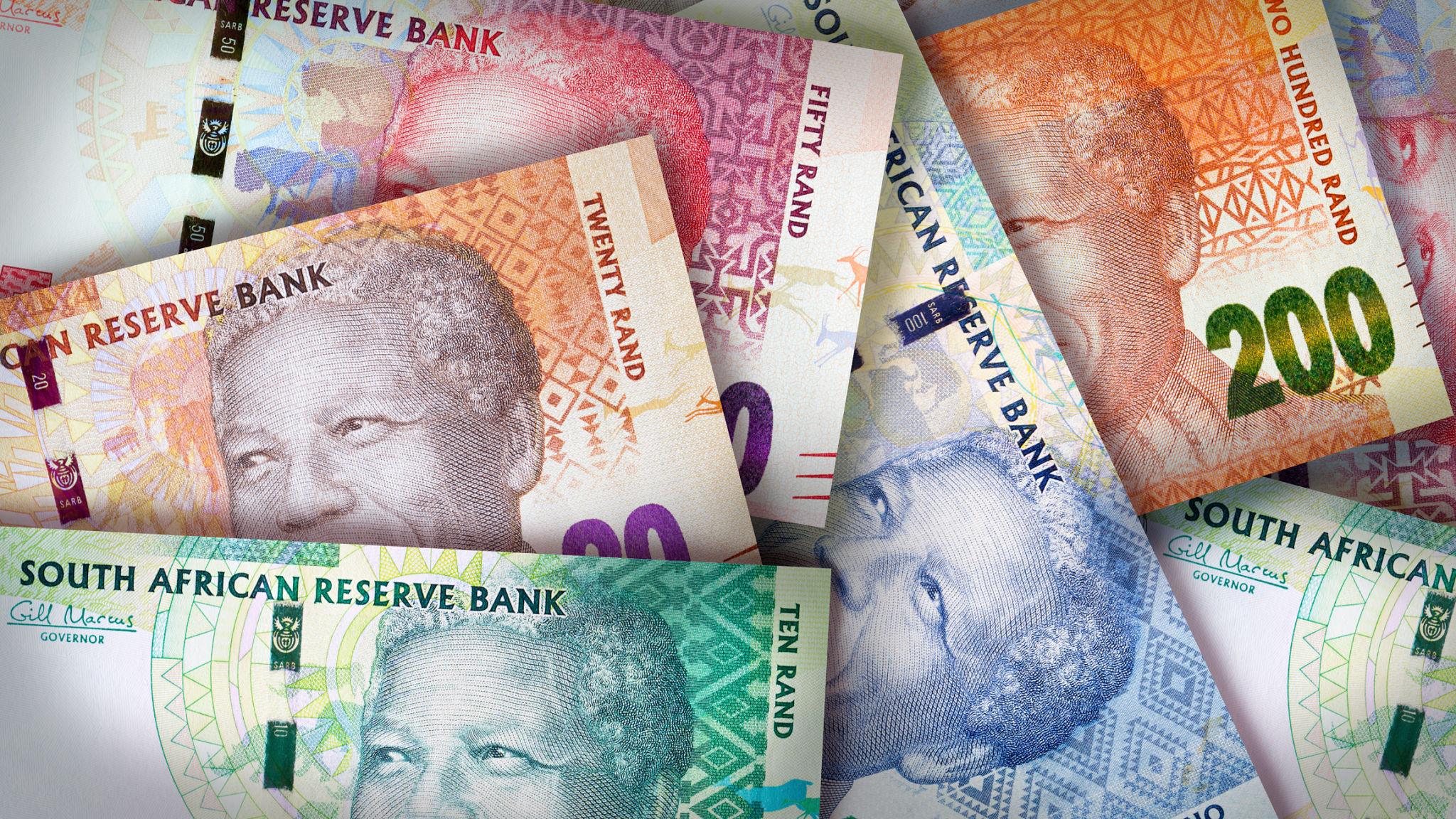
“The South African rand traded largely unchanged in early trading on Wednesday as investors held back from making significant moves before the government’s mid-year budget review, which is expected to clarify the country’s fiscal outlook and credit-rating prospects. The government’s challenge is to balance stronger tax receipts and efforts to improve public finances against high fuel costs, weak economic growth and spending pressures ahead of the local government elections.”
South African Rand Remains Stable as Mid-Year Budget Review Puts Fiscal Credibility in Focus
Currency markets adopt a cautious approach
South Africa’s financial markets entered Wednesday, 21 October 2026, in a cautious mood as investors awaited the government’s Medium-Term Budget Policy Statement, an important update on the country’s economic direction and public finances. The South African rand was little changed against the US dollar in early trading, reflecting the reluctance of market participants to take substantial positions before Finance Minister Enoch Godongwana presents the government’s latest fiscal outlook.
According to Reuters, the rand traded at approximately R16.4075 to the dollar at 05:42 GMT, close to Tuesday’s closing level. South Africa’s benchmark government bond maturing in 2035 was also broadly unchanged, with its yield at 8.735%. These movements suggest that investors were waiting for clearer information about government borrowing, revenue collection and spending plans before reassessing their positions.
The currency’s stability is significant because exchange-rate movements affect a broad range of financial activities, from international investment and imports to inflation and household expenses. Nevertheless, a relatively unchanged rand does not necessarily indicate that economic risks have disappeared. Instead, it may reflect a temporary pause as financial markets prepare to respond to new information.
The budget statement is expected to provide investors with a clearer picture of whether South Africa can strengthen its public finances while supporting economic recovery. Its implications could influence expectations for government bonds, the currency, interest rates and investment conditions.
Government revenue offers an opportunity to improve public finances
One of the central issues surrounding the budget review is whether stronger government revenue can help South Africa improve its fiscal position.
The country has faced persistent pressure from public debt, borrowing costs and the demands of maintaining essential services. When government expenditure consistently exceeds revenue, the Treasury must finance the difference through borrowing or other funding arrangements. Over time, rising debt can increase interest payments and leave fewer resources available for infrastructure, healthcare, education and other public priorities.
Recent revenue performance has offered some encouragement. Reuters reported before the budget announcement that corporate tax receipts had increased by 22.8% during the first five months of the fiscal year, supported by stronger mining profits. This development has strengthened expectations that the government could have more room to improve its fiscal projections.
However, stronger tax collection does not automatically resolve the country’s financial challenges. Mining profits and other corporate earnings can fluctuate with international commodity prices, production levels and global demand. Revenue gains driven by favourable conditions may therefore prove temporary rather than represent a permanent improvement in the tax base.
The Treasury must consequently decide how much of any additional revenue should be used to reduce borrowing, strengthen fiscal buffers or fund priority expenditure.
A disciplined approach could improve investor confidence by demonstrating that additional revenue is being used to address structural weaknesses rather than finance spending commitments that become difficult to sustain when economic conditions deteriorate.
Credit-rating prospects remain important for investors
South Africa’s credit-rating outlook is another major consideration ahead of the announcement.
Credit ratings provide an assessment of a government’s ability to meet its financial obligations. Although ratings agencies consider numerous economic and institutional factors, public debt, fiscal management, economic growth and the government’s capacity to collect revenue are important elements of their assessments.
An improvement in South Africa’s credit standing could support investor confidence and potentially broaden the pool of investors willing to hold its government debt. Depending on market conditions and the country’s rating trajectory, this could help reduce borrowing costs over time.
Reuters reported that economists expected the budget review to offer a more favourable fiscal picture, supported by stronger revenue collection and efforts to restore investment-grade credit standing. However, an improved outlook should not be confused with a confirmed rating upgrade. Any formal change would depend on the relevant ratings agencies’ assessments and announcements.
For the Treasury, the challenge is to demonstrate that fiscal improvements can continue beyond a single reporting period. Investors are likely to examine whether revenue growth is accompanied by credible expenditure management, sustainable debt projections and practical measures to support economic activity.
A convincing budget could reinforce the argument that South Africa is gradually strengthening its financial position. Conversely, a budget that relies heavily on optimistic assumptions without explaining how spending pressures will be managed could weaken confidence.
Fuel prices complicate the economic outlook
High fuel prices present a separate challenge for the government, businesses and households.
Fuel is an important input across the South African economy. Transport companies depend on diesel to move goods, manufacturers face energy and distribution costs, and households spend money travelling to work, school and essential services. When petrol and diesel become more expensive, the effects can spread through supply chains and contribute to higher consumer prices.
The international environment has added to these pressures. Reuters identified elevated fuel costs and the effects of conflict in the Middle East as important considerations for South Africa’s inflation outlook. Economists surveyed by Reuters expected headline inflation to accelerate to 4.7% in September, compared with 4.4% in August. The September inflation figure was an expectation at the time of the report, not a confirmed result.
Higher fuel prices can create a difficult policy trade-off. If transport costs push inflation higher, the South African Reserve Bank may have less room to reduce interest rates. Keeping borrowing costs elevated for longer can, in turn, affect mortgage repayments, consumer credit, business financing and investment decisions.
The government also faces calls to reduce fuel levies to cushion consumers against expensive petrol and diesel. However, cutting levies reduces revenue unless the lost income is offset elsewhere or the government accepts additional fiscal pressure.
Moneyweb reported on 21 October that economists from Citi and PSG Financial Services had raised concerns about the potential cost of restoring fuel-price relief. The discussion highlights a central budget dilemma: measures that provide immediate assistance to consumers may complicate longer-term efforts to improve government finances.
The effectiveness of any relief programme would therefore depend on its design, duration, funding and ability to reach those most affected.
Economic growth remains a structural concern
South Africa’s fiscal position cannot be considered separately from its economic growth prospects.
A growing economy generally creates opportunities for businesses to expand, workers to earn more and the government to collect additional taxes. When economic growth remains weak, these benefits are limited, making it harder to improve public finances without increasing the tax burden or reducing essential expenditure.
Reuters reported that the International Monetary Fund had forecast South African economic growth of approximately 1% for 2026 in its pre-budget coverage. That outlook illustrates the scale of the challenge facing policymakers.
Slow growth can reinforce a cycle in which businesses postpone investment, employment creation remains limited and government revenue grows more slowly than public needs. At the same time, the Treasury must continue funding public services and addressing infrastructure constraints that can undermine productivity.
A credible fiscal strategy therefore needs to consider both immediate financial stability and the conditions required for sustainable growth.
Investment in reliable electricity, transport infrastructure, logistics and efficient public services can help businesses operate more productively. However, such investment must be properly prioritised and managed to ensure that public money produces measurable economic benefits.
The budget review will be important not only because of its revenue and expenditure projections, but also because it may signal how the government intends to support economic activity while maintaining fiscal discipline.
Investors watch the rand and government bonds
Currency and bond markets provide an immediate indication of how investors assess changes in economic risk.
A stronger rand can reduce the local-currency cost of imported goods and commodities priced in foreign currencies. A weaker rand can have the opposite effect, particularly when depreciation coincides with higher international oil prices.
Government bond yields also matter because they influence the cost at which the state raises money. Higher yields generally mean that the government must offer investors a greater return to borrow, although yields also respond to inflation expectations, global interest rates, liquidity and perceived credit risk.
The reported 8.735% yield on South Africa’s benchmark 2035 government bond provides a snapshot of market conditions before the budget announcement. It should not, by itself, be interpreted as evidence that investors have either approved or rejected the government’s fiscal plans.
Investors will need to examine the budget’s assumptions and compare them with expectations already reflected in market prices. If the statement presents credible debt projections and a convincing plan to manage expenditure, confidence could improve. If it reveals greater borrowing needs or weaker-than-expected fiscal performance, the response could be less favourable.
Global developments will also influence these markets. Changes in US interest-rate expectations, international oil prices and geopolitical risks can affect capital flows into emerging markets, including South Africa. Domestic policy is therefore important, but it is not the only force determining the rand’s direction.
Inflation and retail sales provide further clues
Wednesday’s economic calendar also includes important data on consumer inflation and retail sales.
Inflation measures how quickly prices rise, while retail sales provide an indication of consumer spending through the retail sector. Together, the figures can help investors assess whether households are facing increasing cost pressures and whether domestic demand is strengthening or weakening.
Reuters reported that economists expected annual retail sales growth to reach 3.5% in August, compared with 3.4% in July. The forecast suggested a modest improvement in consumer activity, although the actual release would be needed to determine whether the expectation was correct.
For households, the combination of fuel costs, food prices, transport expenses and borrowing costs determines how much disposable income remains available for other purchases.
For retailers, stronger sales can support revenue and employment, but higher operating expenses and constrained household budgets can limit profitability. Banks and other lenders also monitor consumer conditions because they influence demand for credit and the ability of borrowers to repay their obligations.
The Reserve Bank must consider inflation developments when determining monetary policy. A persistent increase in inflation could limit opportunities to ease borrowing costs, while a more favourable inflation outlook could provide greater flexibility if other economic conditions support it.
These data points will help shape the broader interpretation of the budget, even though monetary policy decisions remain separate from the government’s fiscal announcement.
Local government finances add another layer of risk
Municipal financial management is also relevant to South Africa’s wider economic outlook.
Municipalities are responsible for essential services and infrastructure that affect businesses and residents, including electricity distribution, water provision, sanitation and local roads. Weak financial management can undermine service delivery and increase the cost of operating a business.
On 21 October, eNCA reported that Godongwana was expected to announce further reforms affecting municipalities as local government elections approached. The report highlighted concerns about how municipalities spend grants, recover revenue and meet financial obligations.
These issues matter because national fiscal stability depends partly on the performance of the wider public sector. Persistent municipal financial problems can create pressure for additional government intervention, while unreliable services can discourage investment and weaken local economic activity.
Reforms that improve accountability, revenue collection and the use of public funds could help address these weaknesses. However, implementation is critical: policy announcements must translate into improved financial controls and more reliable services.
What the budget review means for South Africa
The immediate significance of Wednesday’s budget review lies in the information it provides about the government’s priorities and financial capacity.
Investors will be looking for credible revenue projections, realistic spending plans, manageable borrowing requirements and evidence that public debt can be stabilised. Businesses will want greater clarity about the economic environment, infrastructure commitments and the outlook for consumer demand. Households will be watching for indications of how the government intends to manage the pressure caused by rising living costs.
The Treasury must balance these competing demands without weakening confidence in the country’s long-term financial position. Using additional revenue to improve fiscal resilience could strengthen credibility, while targeted and well-funded measures may help address urgent economic pressures.
Nevertheless, no single budget statement can resolve all of South Africa’s structural challenges. Sustainable improvement will depend on consistent implementation, stronger economic growth, effective public institutions and a more productive investment environment.
For currency markets, the rand’s early stability reflects a wait-and-see approach rather than a definitive judgment on the government’s policies. The next stage will depend on the budget’s actual contents, the credibility of its projections and how investors interpret the implications for debt and growth.
Conclusion: South Africa’s mid-year budget review represents a significant test of the government’s ability to convert improved revenue performance into lasting fiscal progress. A credible plan could strengthen confidence in the rand and government bonds, while weak growth, expensive fuel and public-sector financial pressures remain important risks. The decisive issue is whether the government can improve fiscal sustainability while creating better conditions for investment, employment and long-term economic development.



