




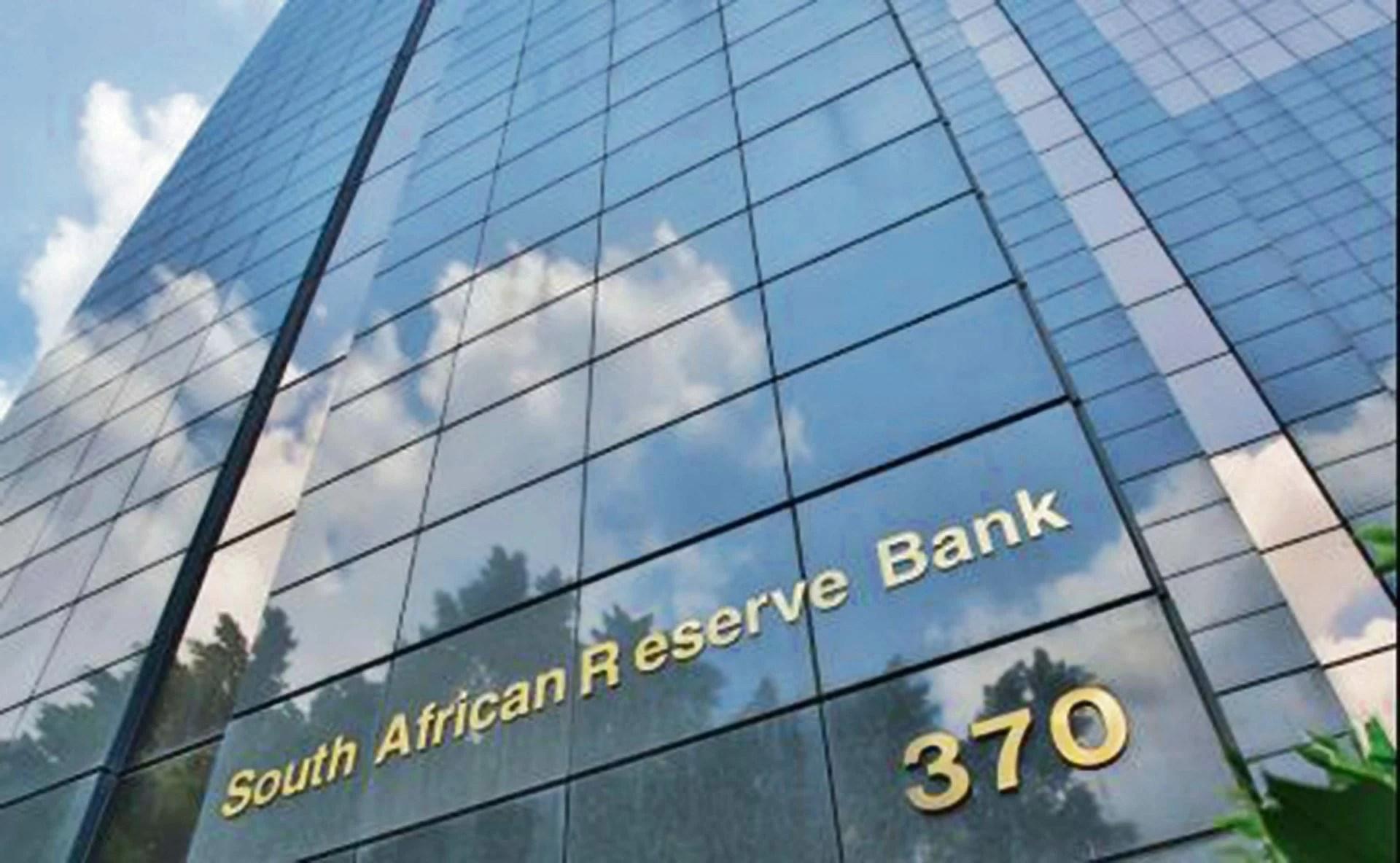
“South Africa’s rand traded largely unchanged against the US dollar on 21 October as investors awaited Finance Minister Enoch Godongwana’s Medium-Term Budget Policy Statement, which was expected to provide an updated assessment of government finances and the country’s credit-rating outlook. The budget’s implications for borrowing costs, inflation, government bond yields and economic growth are important for South African banks, although the Reuters report focuses primarily on the currency and fiscal outlook rather than a new banking-sector announcement.”
South Africa’s Mid-Year Budget Review Puts Banking Stability, Lending Costs and Economic Confidence in the Spotlight
South Africa’s financial markets entered Wednesday, 21 October 2026, in a cautious mood as investors waited for the government’s latest fiscal assessment. The rand remained largely unchanged in early trading, reflecting the market’s reluctance to make significant moves before Finance Minister Enoch Godongwana delivered the Medium-Term Budget Policy Statement.
The announcement matters beyond currency traders and government officials. South Africa’s banking industry operates within an interconnected financial system in which government borrowing, inflation, interest rates, economic growth and investor confidence influence the cost of funding, the demand for credit and the financial health of households and businesses.
According to Reuters, the rand was trading at approximately R16.4075 to the US dollar at 05:42 GMT, close to Tuesday’s closing level. Investors were waiting for greater clarity about the government’s fiscal position and its prospects of improving the country’s credit-rating outlook.
Although this development is not a direct announcement from a commercial bank, it is an important financial-market story for understanding the conditions affecting South Africa’s banking sector.
Why the budget review matters to South African banks
Commercial banks depend on economic stability to make lending decisions, attract deposits and manage financial risks. When government finances improve and investors become more confident, borrowing conditions may become more favourable across the economy.
Conversely, concerns about rising public debt, weak economic growth or persistent inflation can increase uncertainty. Such conditions can affect the yields investors demand on government bonds, the cost of wholesale funding and the appetite for lending to households and companies.
The Medium-Term Budget Policy Statement provides an updated picture of government revenue, expenditure, borrowing requirements and economic expectations. It also signals how the Treasury intends to balance spending priorities against the need to stabilise public finances.
For banks, the implications are significant because government securities form part of the wider domestic financial system. Banks and other financial institutions may hold government bonds, use eligible securities in funding arrangements and rely on the government bond market as a benchmark for pricing other financial assets.
A change in market expectations can therefore influence financial institutions even when their own lending rates or product prices have not immediately changed.
The rand reflects investor caution
Currency movements are an important indicator of how investors assess economic and political risks. A stable rand ahead of a major policy announcement can suggest that market participants are waiting for additional information before committing to a particular position.
However, a currency that is unchanged over a short period does not necessarily indicate that the economy is free from risk. It can also reflect uncertainty, limited trading activity or a balance between competing market pressures.
Reuters reported that the rand had weakened by more than 2% against the dollar in September. Investors were also monitoring elevated fuel prices, the outlook for inflation and the potential effects of international geopolitical tensions.
Companies importing machinery, fuel, electronics or other goods may face higher costs when the rand weakens. Businesses that rely on imported inputs could experience pressure on their profit margins, potentially affecting their ability to repay loans.
Exporters may benefit from stronger foreign-currency earnings, depending on their cost structures and the markets in which they operate. Nevertheless, currency changes do not affect every business in the same way.
Banks must therefore assess individual borrowers rather than assume that a particular exchange-rate movement will have the same effect across their entire loan portfolios.
Government borrowing and bank funding conditions
One of the most important links between the budget and banking is the government bond market.
Government bonds provide a reference point for pricing various financial assets. Their yields reflect factors such as expected inflation, interest-rate expectations, fiscal credibility and the compensation investors demand for holding government debt.
Reuters reported that South Africa’s benchmark 2035 government bond yield was around 8.735% in early trading on Wednesday.
If investors become more confident about the government’s ability to manage its finances, bond yields could decline, all else being equal. That could improve financing conditions for some borrowers and support valuations of existing bonds.
However, the relationship is not automatic. International interest rates, global investor demand, inflation expectations and domestic monetary policy can all move bond yields independently of the budget announcement.
Higher yields can increase the cost of issuing new debt for the government and may influence the rates demanded by investors financing private-sector borrowers.
Banks must also manage the market value and interest-rate sensitivity of their existing bond holdings. When market yields rise, the prices of existing fixed-rate bonds generally fall. The effects on reported earnings and capital depend on the instruments held, their accounting treatment, hedging arrangements and whether the securities are sold.
Consequently, a credible fiscal plan could support confidence in the financial system, but the actual outcome will depend on the detail of the government’s policy commitments and how investors respond.
Credit ratings remain a key consideration
South Africa’s credit-rating outlook is another issue attracting attention ahead of the budget review.
A sovereign credit rating assesses a government’s ability and willingness to meet its financial obligations. Rating agencies consider factors including debt levels, economic growth, government revenue, institutional strength and the predictability of economic policy.
An improved rating outlook or an eventual rating upgrade could strengthen investor confidence. It might also broaden the range of investors willing to hold South African government debt.
Nevertheless, a sovereign upgrade would not automatically translate into cheaper loans for every household or business. Commercial lending rates depend on several factors, including the Reserve Bank’s policy rate, borrower creditworthiness, operating expenses, competition and the cost of deposits and other funding.
Banks’ own creditworthiness is assessed separately from that of the government. A stronger sovereign outlook may provide support, but individual banks still need sound balance sheets, adequate capital, effective risk management and sustainable earnings.
The government’s ability to demonstrate lasting fiscal improvement is therefore more important than a temporary positive reaction in financial markets.
Inflation presents another challenge
Inflation remains an important concern for consumers, companies and financial institutions.
Reuters reported that economists were expecting South Africa’s headline inflation rate to rise to 4.7% in September from 4.4% in August. Forecasts varied, with Investec expecting 4.6% and Nedbank projecting 4.8%, partly because of higher transport costs associated with fuel prices and rand weakness. These figures were forecasts ahead of the data release, not confirmed inflation results.
For banks, inflation affects both customers’ financial resilience and the decisions made by monetary policymakers.
When household expenses increase, customers may have less disposable income available for loan repayments, savings and discretionary spending. Businesses may also face higher costs for wages, transport, utilities and imported materials.
If inflation remains elevated, the South African Reserve Bank may have less room to reduce interest rates. If inflation pressures ease, monetary policy could become more supportive of borrowing and economic activity, depending on the broader outlook.
The effects are not uniform. Higher interest rates can support interest income on certain bank assets, but they may also increase funding costs and credit risk. The net impact depends on the structure of each bank’s balance sheet and the speed at which deposit and lending rates adjust.
Households and businesses remain central to the outlook
The banking sector’s performance ultimately depends in part on the financial condition of its customers.
Households need stable employment and sufficient disposable income to service mortgages, vehicle finance, personal loans and credit-card balances. Businesses need predictable demand, manageable input costs and access to finance to maintain operations and invest in expansion.
When economic growth is weak, companies may postpone capital expenditure, while households may reduce spending. Banks can respond by tightening lending criteria or charging higher risk premiums to customers whose finances have deteriorated.
South Africa’s economic outlook remains challenging. In its 19 October report, Reuters highlighted the International Monetary Fund’s forecast of only 1% economic growth for 2026, alongside pressure from high fuel prices and competing spending demands.
A budget that strengthens fiscal credibility without unnecessarily undermining economic activity could help support longer-term confidence. However, sustainable banking growth will also require stronger employment, investment, productivity and business performance.
Digital payments are reshaping the banking landscape
Fiscal developments are only one part of the story facing South African banks. Competition and technology are also changing how consumers and businesses access financial services.
On 16 October, Reuters reported that the South African Reserve Bank planned to open the country’s national payments system to eligible non-bank participants, including retailers, telecommunications companies and fintech businesses, from mid-2027. The reform is intended to promote competition, lower transaction costs and expand access to digital financial services.
This is a separate development from the budget review, and it was published on an earlier date. Nevertheless, it provides useful context for understanding the strategic pressures facing banks.
Direct access to payments infrastructure could enable new competitors to develop services without relying on traditional banking intermediaries for every transaction. It may encourage innovation in payment processing, digital wallets and services aimed at underserved customers.
For established banks, this creates both opportunities and risks. Banks may develop partnerships with fintech companies, improve their own digital offerings and compete more aggressively on price and convenience.
At the same time, new payment arrangements require robust security, operational resilience, consumer protection and effective oversight. Greater competition must be accompanied by safeguards against fraud, cyberattacks and disruptions to essential financial services.
What the budget outcome could mean for banking customers
The immediate implications for ordinary bank customers will depend on how the fiscal outlook interacts with inflation, monetary policy and the wider economy.
A more credible government borrowing plan could support confidence and potentially improve funding conditions over time. Yet customers should not assume that the budget will automatically reduce mortgage repayments, personal-loan rates or monthly banking fees.
Loan pricing depends on the terms of individual agreements and the prevailing financial environment. Customers with variable-rate loans may be affected by changes in relevant interest rates, while fixed-rate borrowers may not experience an immediate change.
Households should continue to assess their budgets carefully, maintain emergency savings where possible and review the costs of borrowing. Businesses should monitor cash flow, foreign-currency exposure and debt-servicing obligations, particularly where they depend on imported goods or variable-rate financing.
Banks, meanwhile, must continue to monitor arrears, maintain adequate liquidity and capital, and assess how changing economic conditions could affect borrowers.
What investors and banking analysts will watch next
The budget statement’s significance will depend on the details rather than its headline announcements alone.
Investors will assess the government’s revenue projections, expenditure commitments, borrowing requirements and debt trajectory. They will also look for evidence that fiscal targets are achievable and supported by credible implementation plans.
Banking analysts will be interested in how those factors affect government bond yields, market liquidity, the cost of funding and the demand for credit. They will also monitor inflation data and subsequent monetary-policy decisions.
The market response may be mixed. Positive fiscal signals could support confidence, but concerns about weak growth, high fuel prices or spending pressures could limit the benefits.
The rand may also move in response to international developments unrelated to domestic banking. Currency performance should therefore be assessed alongside other economic indicators rather than treated as a complete measure of financial stability.
Conclusion
South Africa’s mid-year budget review is an important event for the country’s banking and financial markets because fiscal policy helps shape borrowing conditions, investor confidence and the broader economic environment.
The rand’s relative stability on 21 October reflected investor caution before the government’s announcement, rather than definitive evidence that economic uncertainty had disappeared. The implications for banks will depend on the budget’s credibility, the direction of inflation, bond-market developments and the strength of households and businesses.
At the same time, longer-term structural changes, including the planned opening of the national payments system to eligible non-bank participants, will continue to influence competition and innovation in financial services.
For South African banks, the central challenge is to balance growth with sound risk management while responding to economic uncertainty and technological change. For customers, the most important considerations remain affordability, responsible borrowing, secure digital banking and the ability to withstand unexpected financial pressures.



