




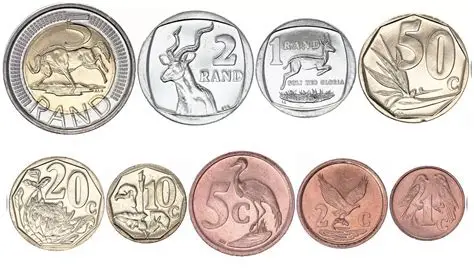
“The South African rand traded at R16.10/$ this morning, showing little movement as markets await the release of August’s manufacturing PMI and vehicle sales figures. These indicators are expected to shed light on industrial sentiment and consumer demand, both critical for assessing South Africa’s economic trajectory.”
South Africa’s financial markets opened cautiously on Tuesday, September 1, 2026, with the rand holding steady against the U.S. dollar at R16.10. This stability comes as investors brace for two key economic data releases: the manufacturing Purchasing Managers’ Index (PMI) and vehicle sales figures for August. Both indicators are widely regarded as barometers of industrial health and consumer confidence, making them pivotal for understanding the direction of Africa’s most industrialized economy.
Rand Performance
The rand’s muted movement reflects a balance between global uncertainty and domestic anticipation. Analysts note that the currency has been resilient despite external pressures, including geopolitical tensions between the U.S. and Iran and fluctuating oil prices. The diesel price hike in August added cost pressures on manufacturers, but the rand’s relative stability suggests investors are waiting for clearer signals before repositioning.
Manufacturing PMI Outlook
The Absa PMI survey, due later today, is expected to remain in contractionary territory. July’s PMI showed further deterioration, driven by weak export demand and subdued new sales orders. Economists warn that unless global demand improves, South Africa’s manufacturing sector could face prolonged stagnation. The PMI is not just a measure of industrial sentiment—it directly influences investment decisions, employment prospects, and government policy planning.
Vehicle Sales Data
Vehicle sales, scheduled for release at midday, will provide a snapshot of consumer demand for big-ticket items. In recent months, sales have been sluggish, reflecting household financial strain amid rising living costs. However, any uptick in August figures could signal renewed consumer confidence, potentially supporting broader economic recovery. Investors view vehicle sales as a proxy for middle-class spending power, which is critical for sustaining growth.
Bond Market and Investor Sentiment
South Africa’s benchmark 2035 government bond yield remained steady at 8.63%, underscoring investor caution. Bond yields are closely watched as indicators of fiscal health and investor confidence in government debt. Stability in yields suggests that while risks remain, investors are not yet pricing in significant deterioration in fiscal conditions.
Global Context
Globally, markets remain volatile. Brent crude oil rose to $91.27 per barrel, adding pressure on import-dependent economies like South Africa. Gold prices hovered around $4,426, offering a safe-haven asset for risk-averse investors. Meanwhile, international equity markets showed mixed performance, with declines in Tokyo and Hong Kong reflecting broader concerns about global growth.
Implications for South Africa
The combination of steady currency performance and upcoming data releases places South Africa at a crossroads. If PMI and vehicle sales show improvement, confidence in the economy could strengthen, supporting the rand and local equities. Conversely, weak data could reinforce concerns about industrial stagnation and consumer fragility, potentially triggering capital outflows.
Expert Commentary
Investec economist Lara Hodes emphasized that “business activity and new sales orders remain subdued, and global uncertainty continues to weigh on sentiment.” This cautious outlook highlights the challenges facing policymakers and businesses alike. The government’s ability to stimulate growth while managing fiscal constraints will be critical in the months ahead.
Conclusion
Today’s PMI and vehicle sales data will serve as crucial indicators for South Africa’s economic trajectory. With the rand steady and bond yields stable, markets are in a holding pattern, awaiting clarity. Whether these figures point to recovery or further contraction will determine investor sentiment and policy direction in the near term.



