




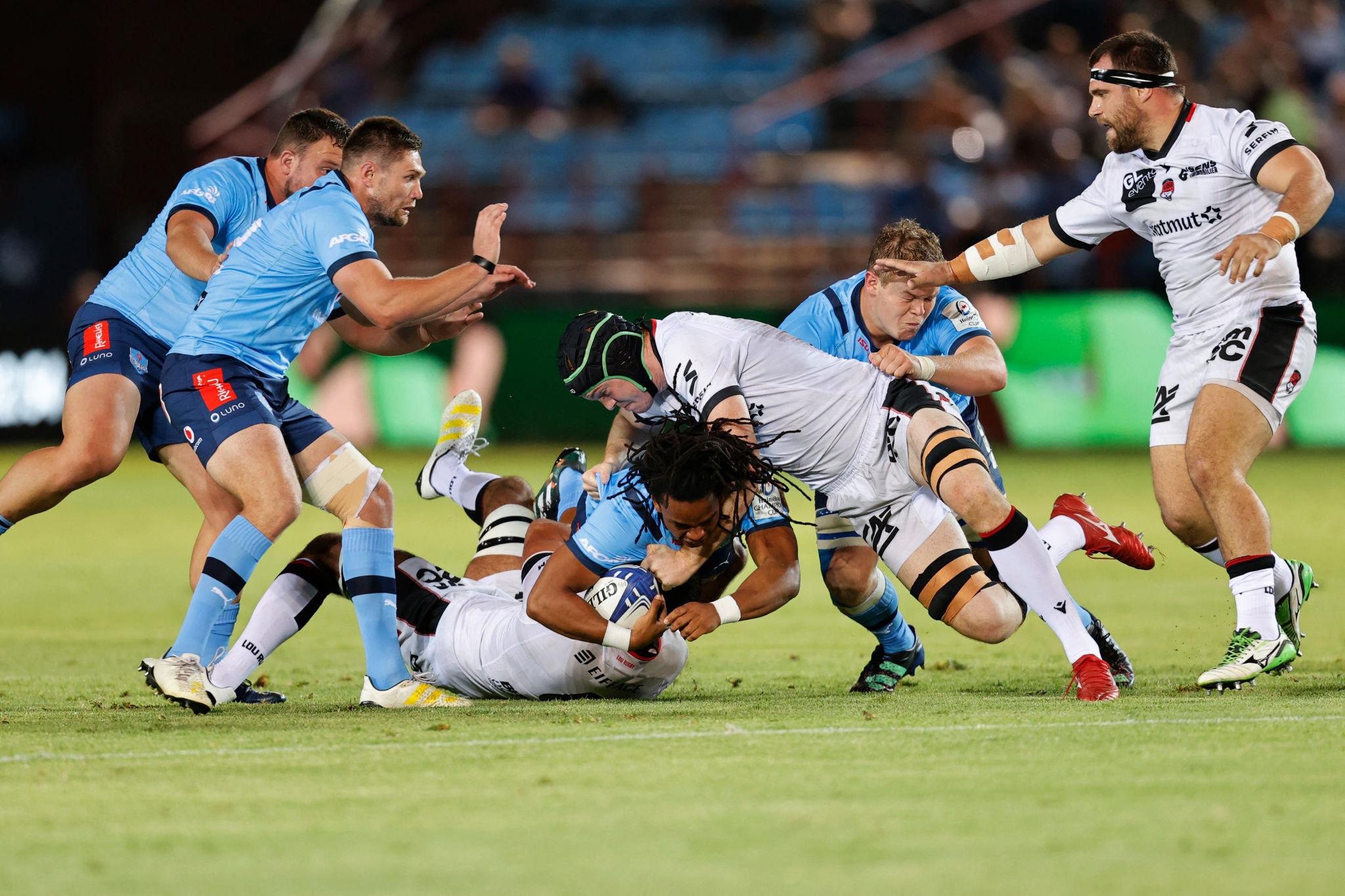
“Five South African teams are preparing to compete in European club rugby, with the Bulls, Stormers and Lions among the sides seeking to make an impact in the Investec Champions Cup and the wider campaign also involving the Challenge Cup. The challenge offers South African rugby an opportunity to demonstrate its depth, improve its standing in European competition and pursue a breakthrough beyond the quarter-final stage.”
South African Rugby Clubs Chase European Success as Continental Campaigns Begin
A defining moment for South African club rugby
South African rugby enters another important chapter as the country’s leading provincial teams prepare to test themselves against some of Europe’s strongest clubs. The opening of the European competitions provides an opportunity for local sides to demonstrate that their domestic quality can translate into consistent performances on the international club stage.
The Investec Champions Cup represents the highest-profile challenge, bringing together leading clubs from major European rugby competitions alongside qualifying South African teams. The EPCR Challenge Cup provides another demanding platform, allowing participating sides to compete internationally while developing experience, confidence and squad depth.
According to recent South African rugby coverage, five local teams are participating across the Champions Cup and Challenge Cup competitions. Their campaigns will attract attention from supporters who want to see South African rugby establish a stronger presence in European club rugby.
The significance extends beyond individual results. Strong performances can strengthen the reputation of South African franchises, increase commercial interest and demonstrate the value of integrating local teams into international competitions.
The Champions Cup presents a major test
The Champions Cup is one of the most demanding environments in professional club rugby. Teams face opponents with different playing traditions, tactical approaches and levels of experience in European knockout competition.
For South African sides, success requires more than physical strength. Coaches must prepare their players for intense defensive systems, accurate kicking games, rapid attacking transitions and the pressure of performing away from home.
The competition also tests how effectively teams manage their resources over a long season. Domestic league commitments, international call-ups and travel can place considerable demands on players. Consequently, squad rotation and injury management may prove just as important as the quality of the starting team.
South African supporters have particular reason to follow the campaign closely. SA Rugby Magazine reported on 15 October that Lions captain Francke Horn believes South African teams are increasingly ambitious about reaching the Champions Cup semi-finals. No South African side had progressed beyond the quarter-finals since the country’s participation began in 2022–23.
That record illustrates the opportunity ahead. South African clubs have shown that they can compete with established European opponents, but advancing further requires consistency across several difficult matches.
The Bulls look to make home advantage count
The Vodacom Bulls enter the European campaign with expectations shaped by their strong domestic identity and the intimidating atmosphere associated with Loftus Versfeld.
Their home ground has traditionally provided a demanding environment for visiting teams. Supporters, altitude and familiarity with local conditions can all influence a match, particularly when visiting opponents must adapt to unfamiliar surroundings.
However, home advantage only matters when teams execute their plans effectively. The Bulls must establish control at the breakdown, deliver accurate set-piece possession and limit penalties in dangerous areas.
Their forwards will be expected to provide a reliable platform, while the backline must make good decisions when opportunities emerge. Against experienced European teams, poor exits from their own half or unnecessary turnovers can quickly change a match.
The Bulls’ European ambitions also depend on adaptability. A team that dominates physically in South Africa cannot assume that the same approach will automatically produce victories abroad. Tactical kicking, defensive organisation and decision-making under pressure will be essential.
Recent coverage has highlighted the Bulls’ intention to make a statement against Stade Français as the European campaign begins. The fixture provides a useful measure of the team’s preparation and its ability to handle an opponent with a different rugby culture.
A convincing performance would give the Bulls momentum. Nevertheless, the real measure of progress will be whether they can maintain their standards throughout the pool stage and secure the results needed to advance.
Stormers aim to turn consistency into European progress
The DHL Stormers also have reasons to approach the campaign with confidence. Their European ambitions reflect the wider desire among South African franchises to move beyond participation and become serious contenders.
The Stormers must combine attacking creativity with disciplined defence. Their ability to move the ball, identify space and exploit mismatches can create scoring opportunities, but those strengths need to be balanced against the physical demands of European rugby.
Matches against experienced opponents often become contests of territory and patience. Teams that force ambitious passes in the wrong areas can surrender possession and invite sustained pressure. For the Stormers, recognising when to attack and when to secure territory could be decisive.
Their preparation must also account for the differences between playing at home and travelling overseas. Weather, pitch conditions, crowd pressure and unfamiliar stadiums can influence the rhythm of a match.
The Stormers’ supporters will want to see their side turn promising performances into tangible progress. Winning early matches would improve confidence and reduce the pressure associated with later fixtures.
However, a successful campaign requires more than a strong opening weekend. Injuries, selection decisions and the quality of opposition will shape the journey, making squad depth an important consideration.
South African teams must also understand that European opponents will prepare carefully for their strengths. The Stormers therefore need tactical variation, effective communication and the ability to respond when their preferred attacking patterns are disrupted.
The Lions face a significant opportunity
For the Lions, the Champions Cup represents a particularly important step. Francke Horn has described the competition as a challenge through which the Johannesburg-based side can measure its level against elite opposition.
SA Rugby Magazine reported that the Lions are making their Champions Cup debut after previously competing in the EPCR Challenge Cup. Horn also emphasised the ambition among South African teams to progress further into the tournament.
The Lions’ opening match against La Rochelle in France presents an immediate examination of their readiness. The fixture requires them to handle the atmosphere and tactical discipline associated with playing an established European opponent away from home.
Their pool schedule also includes a home meeting with Toulouse, a trip to Saracens and a home fixture against Exeter Chiefs. Those matches will test different aspects of their preparation, from physical resilience to tactical flexibility.
The Lions should approach the challenge with ambition while recognising the demands of the competition. Maintaining possession, protecting the ball at contact and defending patiently will be essential against opponents capable of punishing mistakes.
Young players could also benefit enormously from the experience. Competing against internationally experienced professionals provides an opportunity to learn quickly, develop decision-making skills and understand the standards required at the highest level.
Horn has identified loose forward Siba Mahashe as a player with potential to make an impact. His development could become one of the encouraging stories to emerge from the Lions’ campaign.
For the franchise, the immediate priority is to compete with confidence. A successful debut would strengthen belief within the squad and provide a foundation for future participation.
The Challenge Cup matters too
Although the Champions Cup receives considerable attention, the Challenge Cup remains an important competition for South African rugby.
It gives participating teams valuable international exposure and creates opportunities for players to develop in demanding matches. It can also provide franchises with a route to establish stronger European credentials.
The competition should not be viewed merely as a secondary alternative. Every international fixture offers lessons in tactical discipline, match preparation and the ability to perform away from familiar conditions.
For South African sides, those lessons can improve performances in domestic competitions as well. Players who experience different defensive structures and attacking approaches return with a broader understanding of the game.
Coaches can also use the competition to evaluate combinations and assess emerging talent. Developing a deeper squad is particularly important during seasons when international commitments and injuries can disrupt team selection.
A strong Challenge Cup campaign would therefore benefit not only the participating team but also the broader development of South African professional rugby.
Travel, fitness and tactical discipline will be crucial
European competition creates logistical challenges that cannot be ignored. Long-distance travel can interrupt training routines, while changes in climate and playing conditions require careful preparation.
Recovery becomes particularly important when teams must move quickly between competitions. Medical staff, conditioning coaches and performance analysts all contribute to maintaining standards across a demanding schedule.
Squad depth is consequently a competitive advantage. Coaches need reliable alternatives in key positions without sacrificing the tactical structure that makes their teams effective.
Discipline is equally important. Penalties conceded in kicking range can provide opponents with valuable points, while yellow cards can undermine defensive organisation at crucial moments.
South African teams must also protect possession. Strong scrummaging and lineout execution create opportunities, but those advantages are wasted when handling errors or poor decisions give opponents easy access to the ball.
The most successful sides will be those that combine their physical qualities with accuracy, patience and intelligent game management.
Commercial growth and supporter interest
European success could bring benefits beyond the playing field. Strong results can attract sponsors, expand international audiences and create additional commercial opportunities for South African franchises.
Supporters increasingly follow club rugby across borders, making international competitions important platforms for visibility. Memorable performances against established European teams can strengthen a club’s identity and attract new followers.
Broadcast exposure and digital coverage also provide opportunities to engage audiences who cannot attend matches in person. Clubs can use these platforms to showcase players, communicate their ambitions and build connections with supporters.
Nevertheless, commercial gains depend on sustained credibility. One impressive result may attract attention, but repeated competitive performances are more likely to establish lasting recognition.
The involvement of South African teams in European competitions also gives the country’s rugby system an opportunity to demonstrate the depth of its player development. Strong provincial performances can reinforce the connection between grassroots participation, professional pathways and the national team.
What success should look like
The immediate objective for each franchise is to collect points and build momentum. Yet success should also be measured through improvements in tactical execution, player development and the ability to compete consistently against unfamiliar opponents.
Reaching the knockout stages would represent meaningful progress. Advancing beyond the quarter-finals would be even more significant because South African teams have yet to achieve that milestone in the Champions Cup era, according to the recent reporting.
The pool stage will demand concentration because one poor performance can complicate qualification. Teams must balance attacking ambition with the need to avoid preventable mistakes.
Coaches will also have to make difficult selection decisions. Experience can be valuable in high-pressure matches, but younger players may offer energy and new tactical options. Finding the correct balance will be essential.
Supporters, meanwhile, should judge the campaign over time rather than reacting to individual results. European competition is unforgiving, and progress sometimes comes through narrow defeats as well as victories.
Conclusion: A chance to strengthen South African rugby’s reputation
The opening of the European club competitions presents South African rugby with an important opportunity. The Bulls, Stormers and Lions face different challenges, while participation across the Champions Cup and Challenge Cup gives five South African teams a chance to test themselves internationally.
Their performances will influence how supporters assess the country’s progress in European rugby. Strong results could increase confidence, expand commercial opportunities and help establish South African franchises as consistent challengers.
The task, however, is demanding. Success will depend on disciplined defence, reliable set pieces, effective travel preparation, squad depth and composure under pressure.
For the Lions, the Champions Cup debut offers a valuable opportunity to measure themselves against established opponents. For the Bulls and Stormers, the priority is to turn ambition into results and demonstrate that South African teams can progress deeper into the tournament.
The campaign will not be decided by reputation alone. Every match will require precision, resilience and the ability to adapt to different challenges.
Ultimately, South African rugby’s European ambitions will be judged by what happens on the field. If the participating teams combine physical strength with tactical maturity, they can make meaningful progress and strengthen the country’s position in international club rugby.



