




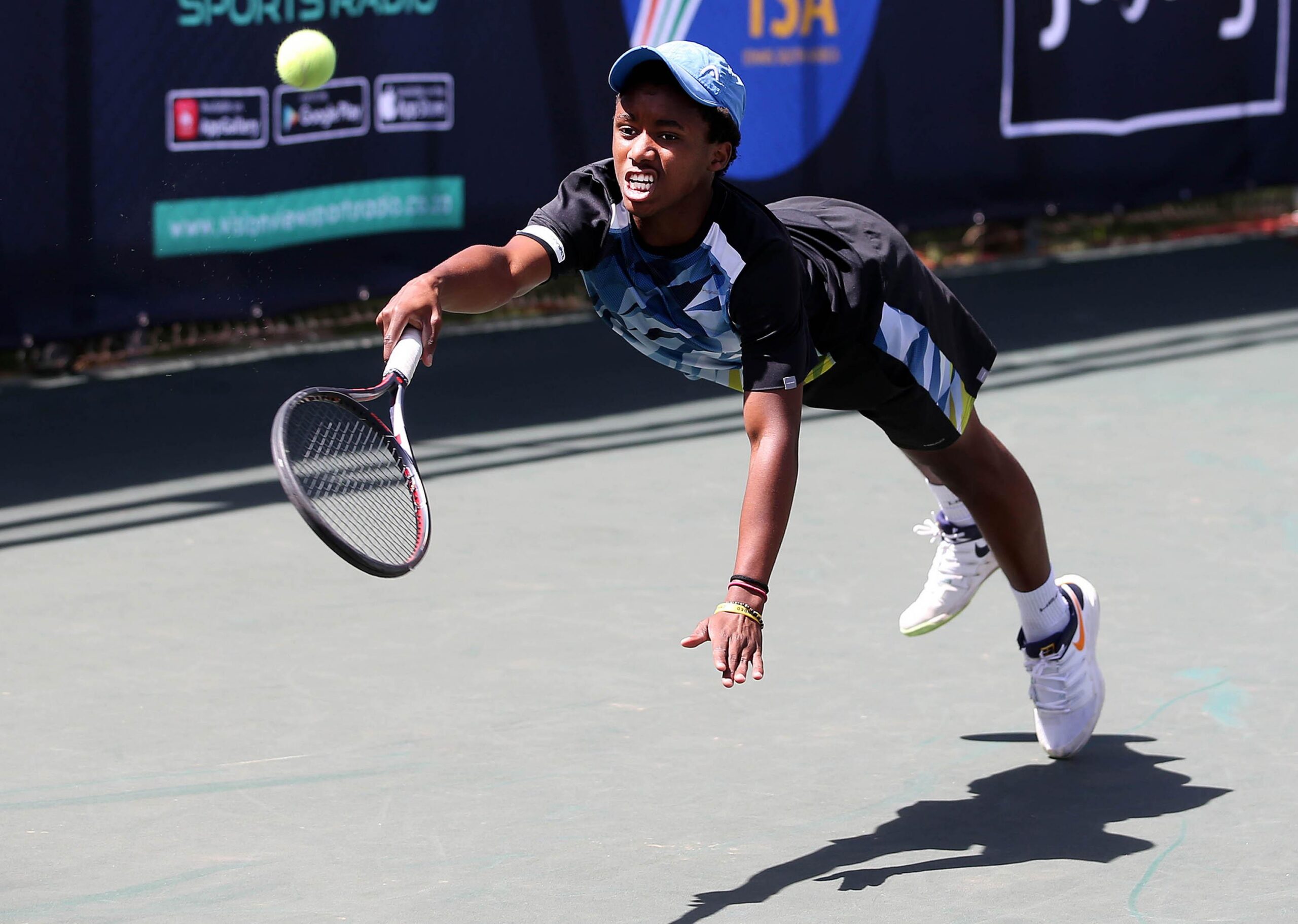
“South African tennis is drawing attention to its development pathway, with junior players competing at continental level and regional tournaments providing further opportunities to gain match experience. Recent activity highlights the importance of coaching, competitive access and sustained investment in young athletes as the country works to strengthen its presence in the sport.”
South African Tennis Looks to Its Next Generation as Junior Championships and Regional Tournaments Highlight the Sport’s Future
South African tennis is continuing to build opportunities for emerging players through junior competition, regional tournaments and organised development programmes. Recent activity on the national tennis calendar, together with South Africa’s performances at the 2026 African Junior Team and Individual Championships, highlights the importance of developing young athletes who can compete confidently at domestic and international levels.
For a country with a long history of producing competitive tennis players, the challenge extends beyond individual victories. Sustained progress depends on the availability of quality coaching, accessible facilities, regular competition and a pathway that allows promising youngsters to advance from school and club tennis towards professional opportunities.
Junior tennis provides encouragement for South Africa
One of the most notable recent developments in South African tennis has been the participation of local juniors in continental competition. Tennis South Africa reported on the African Junior Team and Individual Championships, which brought together leading under-16 players from across Africa.
The championships included team and individual events, testing competitors’ technical ability, tactical awareness and capacity to perform under pressure. South African players secured bronze medals in both the boys’ and girls’ team competitions, while Lyndsey Philipps and Megan van Vuuren finished as runners-up in the girls’ doubles event at the individual championships. These results were reported by Tennis South Africa in its official tournament coverage.
The performances provided encouraging signs for the country’s junior programme. Competing against highly ranked opponents from other African nations gives young athletes experience that cannot always be replicated during ordinary training sessions.
International junior tournaments also expose players to different playing styles, match conditions and approaches to competition. Such experiences can help athletes identify areas for improvement and understand what is required to progress to higher levels.
Nevertheless, medals alone do not determine the future success of a national tennis programme. Continued development requires players to receive appropriate support after major competitions, particularly when they move into older age groups and face stronger opposition.
Regional tournaments keep the domestic calendar active
Alongside international junior competition, regional events remain essential to South Africa’s tennis structure.
Tennis South Africa’s October calendar listed several tournaments taking place between 16 and 18 October 2026. These included the Winelands Spring tournament in the Western Cape and the MP Highveld Spring tournament in Mpumalanga. Other scheduled activities included junior development competitions and regional Mini Masters events.
The simultaneous scheduling of tournaments in different provinces provides players with opportunities to compete closer to home. It also allows clubs and schools to contribute to a wider sporting network without requiring every competitor to travel to a single national venue.
Regional competitions serve several purposes. They allow developing players to test their skills, help coaches evaluate progress and give families a practical way to become involved in organised sport.
Although local tournaments may receive less public attention than international championships, they form an important part of the pathway through which future champions develop. Regular competition helps players learn to manage pressure, recover from mistakes and adapt their strategies against different opponents.
The October events also demonstrate the importance of maintaining a structured calendar. When competitions are scheduled throughout the season, players have more opportunities to build experience rather than relying on a small number of major events.
Why match experience matters
Tennis demands a combination of physical fitness, technical skill and decision-making. Players must serve accurately, return effectively, move efficiently around the court and select shots according to the situation.
However, technical ability alone is rarely sufficient. Competitive matches require athletes to make decisions while tired, respond to changing momentum and remain focused when a match becomes difficult.
Junior tournaments provide an environment in which these qualities can develop. A player who loses a close match may discover that inconsistent serving or poor shot selection proved costly. With guidance from a coach, that experience can become the basis for more focused training.
Victories can be equally instructive. Players must learn to manage expectations, maintain discipline and prepare for opponents who may present different challenges in the next round.
This is why a healthy domestic competition structure matters. Athletes need repeated opportunities to apply their skills in realistic match conditions before progressing to more demanding national and international events.
Coaching and player development remain priorities
South Africa’s ability to develop future tennis stars depends partly on the quality and continuity of coaching available to young players.
Coaches help athletes develop sound technique, but their responsibilities extend further. They also support tactical understanding, physical preparation, emotional resilience and the development of effective training habits.
A strong development system should recognise that players progress at different speeds. Some athletes may demonstrate exceptional ability at an early age, while others require additional time and competitive experience before reaching their potential.
Consistent coaching can help players establish realistic goals and understand what improvement looks like over several seasons. It can also help families make informed decisions about training commitments and competition schedules.
For the national programme, developing coaches and maintaining consistent standards across clubs and regions can strengthen the pathway from beginner tennis to advanced competition.
Making tennis more accessible
Access remains an important consideration for any sport seeking to expand participation.
Facilities, equipment, transport and coaching can create financial and practical challenges for families. These barriers may be particularly difficult for players living far from established tennis centres or major tournament venues.
Local competitions can help reduce some travel requirements, while school and community initiatives can introduce more children to the game. Partnerships between governing bodies, schools, clubs and sponsors may also help expand opportunities.
However, expanding participation requires more than attracting children to a court for a single event. Players need opportunities to continue training, compete regularly and develop at a sustainable pace.
An inclusive development pathway should also recognise different needs and abilities. Accessible facilities, suitable competition formats and appropriate support can help more people participate in tennis.
South Africa’s junior programme therefore has an opportunity to connect competitive ambition with broader participation, ensuring that the sport remains open to talent from different communities.
The importance of the next development stage
Success at junior level can provide a foundation for future progress, but moving into senior competition introduces new demands.
Young players eventually face stronger opponents, more physically demanding matches and increased pressure to deliver consistent results. They may also need to balance training, travel, education and financial considerations.
A clear progression pathway can help athletes navigate these challenges. It should include appropriate competition opportunities, performance guidance and support for the transition into higher-level tournaments.
For South African tennis, the challenge is to ensure that promising junior performances translate into sustained development. That requires collaboration among coaches, families, clubs, provincial structures and the national governing body.
The recent African junior results offer encouraging evidence of competitive ability. Continued monitoring of player progress will be necessary to determine how effectively that potential develops over time.
Looking ahead to the remainder of October
The national tennis calendar continues to provide opportunities for players beyond the regional competitions held during the 16–18 October weekend.
Tennis South Africa’s published schedule lists further events, including the Free State Mini Masters on 23–24 October and the Winelands Mini Masters on 24–25 October 2026. The calendar also includes other scheduled development activities later in the season. Players and families should consult the official listing for the latest details and any changes.
These competitions will contribute to the ongoing domestic programme by offering additional opportunities for players to compete and develop. Their significance lies not only in the results but also in maintaining a regular environment for learning and improvement.
As the season continues, attention will naturally turn to emerging performers, tournament champions and the athletes who demonstrate the potential to progress to higher levels.
For coaches, the focus will remain on building reliable skills and helping players respond constructively to competitive challenges. For clubs and organisers, sustaining participation and delivering well-run events will remain important responsibilities.
Conclusion: Building a stronger future for South African tennis
Recent junior performances and regional tournaments demonstrate that South African tennis development involves activity at several levels, from continental championships to local competitions.
The bronze medals won by the South African boys’ and girls’ teams at the African Junior Team Championships, together with the girls’ doubles silver earned by Lyndsey Philipps and Megan van Vuuren, provided positive results for the country’s under-16 players. Meanwhile, regional events scheduled across the Western Cape, Mpumalanga and other provinces continued to support the domestic competition pathway.
The next challenge is to convert these opportunities into lasting progress. That means investing in coaching, supporting young athletes as they advance through age groups, widening access to facilities and ensuring that competitive tennis remains available across communities.
South Africa’s future in tennis will not be shaped by one tournament alone. It will depend on the consistency of the development system and the ability of players to learn, compete and improve over many seasons.
The recent activity offers a useful reminder that the foundations of international success are often built on local courts, through regular training, determined competition and sustained support for the next generation.



