




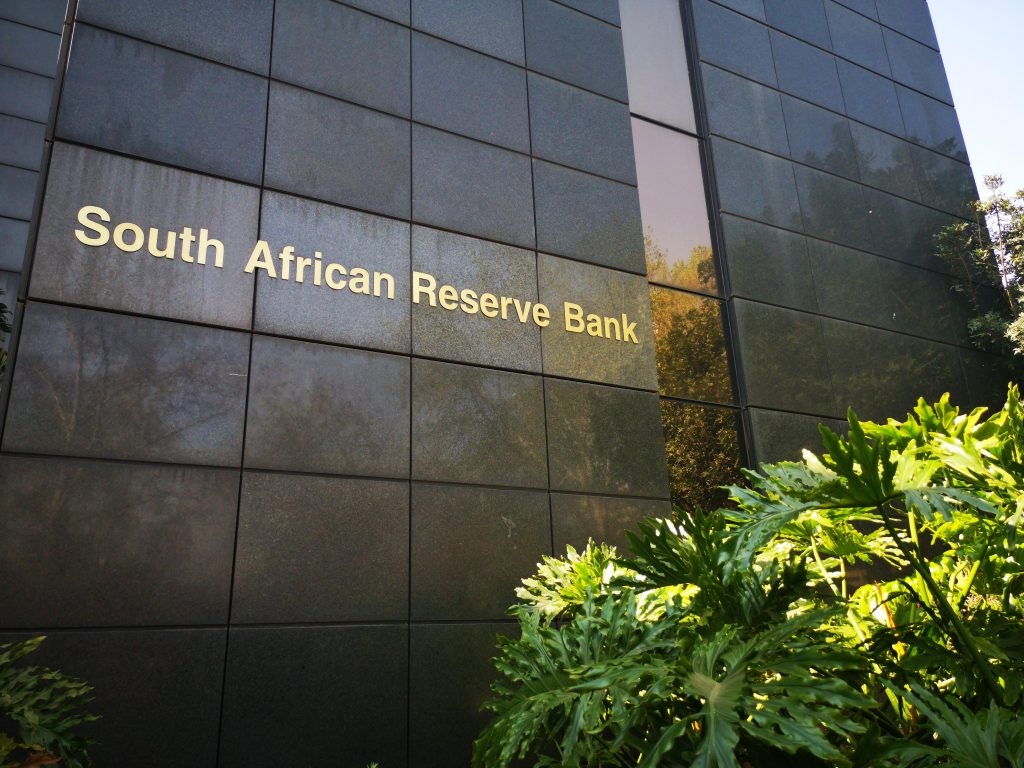
“South Africa’s cost-of-living crisis has intensified, with debt repayments consuming over 40% of household incomes. The Reserve Bank’s warning of further interest rate hikes threatens to worsen financial strain, even as global oil price volatility and weak employment prospects weigh on recovery.”
South Africa’s financial landscape is facing one of its most precarious moments in recent years. The combination of rising living costs, mounting household debt, and looming interest rate hikes has created a perfect storm for consumers and businesses alike. While global oil price volatility and domestic structural challenges continue to weigh heavily on the economy, the latest data reveals a troubling picture: more than half of South Africans now spend over 40% of their take-home pay servicing debt.
Debt Burden on Households
- Household debt-to-income ratios have surged, with credit cards, personal loans, and mortgage repayments consuming a disproportionate share of disposable income.
- The average South African household is now spending nearly half its monthly earnings on debt repayments, leaving little room for essentials such as food, healthcare, and education.
- Analysts warn that this level of indebtedness is unsustainable and could trigger a wave of defaults if interest rates rise further.
Reserve Bank’s Policy Dilemma
- The South African Reserve Bank (SARB) has hinted at a possible interest rate hike to curb inflationary pressures.
- Inflation remains stubbornly high, driven by electricity tariff increases, food inflation, and fuel price volatility.
- However, raising rates risks deepening the debt crisis, as higher borrowing costs will push households further into financial distress.
Global Oil Price Volatility
- Brent crude oil recently rebounded to $77 per barrel after geopolitical tensions in the Middle East disrupted shipping routes.
- This reversal threatens South Africa’s fragile recovery, as fuel costs ripple through transport, food, and manufacturing sectors.
- The oil shock underscores the vulnerability of South Africa’s economy to external shocks, particularly given its reliance on imports.
Structural Weaknesses in the Economy
- Unemployment remains high, with weak job creation undermining household resilience.
- The motor manufacturing sector faces declining exports, down more than 20% in Q1 2026, due to high production costs and cheap imports from China.
- These structural issues compound the debt crisis, as households lack the income growth needed to offset rising costs.
Government and Fiscal Position
- Despite fiscal challenges, the National Treasury has reported a third successive primary budget surplus, aided by strong mineral sales.
- Higher company tax revenues from mining have provided temporary relief, but this windfall is unlikely to offset the broader debt crisis facing households.
- The government’s ability to balance fiscal stability with social support will be tested in the months ahead.
Social Impact
- Rising debt levels are eroding consumer confidence, with businesses reporting subdued activity.
- Families are cutting back on discretionary spending, affecting retail, hospitality, and tourism sectors.
- The psychological toll of debt is also significant, with financial stress contributing to declining mental health across communities.
Expert Opinions
- Economists argue that structural reforms are urgently needed to address inefficiencies in logistics, energy, and labor markets.
- Without reforms, South Africa risks a prolonged period of stagnation, where debt burdens and weak growth reinforce each other.
- Financial advisors recommend households prioritize debt consolidation and avoid new credit, but acknowledge that systemic solutions are required.
Conclusion
South Africa’s finance sector is at a crossroads. The debt crisis, compounded by global oil volatility and domestic structural weaknesses, threatens to derail the fragile recovery. Unless policymakers strike a delicate balance between inflation control and household relief, the country risks sliding deeper into financial instability.



