




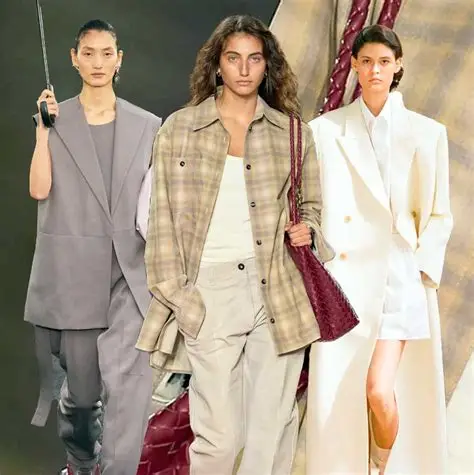
“South African fashion in 2026 is defined by oversized streetwear silhouettes, heritage-inspired prints, and the rising influence of quiet luxury. These trends, driven by Amapiano culture and cultural pride, are reshaping both local wardrobes and global conversations about identity and sustainability.”
South Africa’s fashion industry has always been more than just clothing—it is a mirror of culture, identity, and innovation. In 2026, this mirror reflects a dynamic transformation where oversized streetwear, heritage prints, and quiet luxury converge to create a uniquely South African aesthetic. This evolution is not only shaping local wardrobes but also influencing global conversations about identity, sustainability, and digital culture.
Streetwear as the Cultural Backbone
Streetwear remains the heartbeat of South African youth fashion. Oversized silhouettes dominate: baggy cargos, roomy hoodies, bomber jackets, and relaxed fits are the uniform of South Africa’s youth. Across Johannesburg, Cape Town, Durban, and Pretoria, this aesthetic represents comfort, inclusivity, and gender-fluidity. Unlike rigid international runway cycles, South African streetwear thrives on adaptability—minimalist one season, explosive with colour the next. It is comfortable, expressive, and easy to style, making it the cultural backbone of youth fashion.
The influence of Amapiano culture is undeniable. Sneakers, layered jewellery, statement sunglasses, and matching sets define the look. The rise of “luxe township fashion” blends designer bags with cargos, sportswear with tailored jackets, and sneakers with formal pieces. This synergy between music and fashion redefines cultural pride and global relevance. Amapiano is no longer just music—it’s fashion culture. The genre continues influencing sneakers, luxury streetwear, layered jewellery, statement sunglasses, and matching sets. This synergy between music and fashion has created a new aesthetic: luxe township fashion blending designer bags with cargos, sportswear with tailored jackets, and sneakers with formal pieces.
Heritage Prints and Cultural Identity
At the heart of this year’s trends are Ndebele and Zulu-inspired motifs, reimagined into modern silhouettes. Designers incorporated beadwork, geometric patterns, and traditional colour schemes into gowns, streetwear, and accessories. Even animal prints like leopard and zebra are updated with neon overlays, blending tradition with futurism. This revival reinforces cultural pride while appealing to international audiences. Heritage prints are not just decorative—they are statements of belonging, pride, and creativity. They connect South African youth to their roots while simultaneously projecting innovation to the world.
Heritage-inspired fashion is also a response to globalization. In an era where homogenized fast fashion dominates, South African designers are reclaiming identity through prints and patterns that speak to history and community. This revival of heritage prints reinforces cultural pride while appealing to international audiences, ensuring South African fashion remains distinctive in a homogenized global market.
Colour Trends Defining 2026
Colour palettes are equally significant in shaping the fashion landscape. Earthy neutrals—shades like sand, stone, and soft brown—dominate collections, grounding them in South Africa’s natural landscapes. Jewel tones such as emerald green, sapphire blue, and ruby red inject vibrancy, appearing in sneakers, jackets, and semi-formal wear. Metallics like chrome silver and rose gold reflect digital culture, connecting fashion to music videos and online aesthetics. Pastels, including soft pinks and sage greens, balance boldness, especially in summer collections. These palettes illustrate how designers are blending local identity with global relevance, ensuring South African fashion remains distinctive yet adaptable.
Quiet Luxury Movement
While bold streetwear dominates, quiet luxury offers a minimalist counterbalance. This movement emphasizes timeless design, high-quality fabrics, and understated elegance. It is the antithesis of flashy logos and loud prints, instead focusing on craftsmanship and subtle sophistication. Quiet luxury has become extremely popular online, resonating with consumers who value sustainability and longevity over fast fashion. South African designers are embracing this trend by creating pieces that are versatile, durable, and refined, appealing to both local and international markets.
Quiet luxury is not about rejecting cultural identity but about integrating it into a global minimalist aesthetic. It represents a shift toward sustainability, where consumers invest in fewer but higher-quality pieces. This trend aligns with global movements toward conscious consumption, positioning South Africa as a leader in sustainable fashion innovation.
Global Influence and Sustainability
South African fashion is increasingly influencing global conversations. The blend of streetwear, heritage prints, and quiet luxury reflects a broader narrative about identity, sustainability, and digital culture. Designers are not only creating clothing but also shaping cultural discourse. By integrating traditional motifs with modern silhouettes, they are challenging homogenized global fashion and asserting South Africa’s place on the world stage.
Sustainability is a key theme. Many designers are using locally sourced fabrics, eco-friendly dyes, and ethical production methods. This commitment to sustainability resonates with global audiences who are increasingly conscious of the environmental impact of fashion. South Africa’s fashion industry is proving that sustainability and cultural pride can coexist, creating a model for other countries to follow.
Conclusion
South Africa’s 2026 fashion trends—oversized streetwear, heritage-inspired prints, and quiet luxury—are more than just clothing. They are expressions of identity, culture, and innovation. Driven by Amapiano culture and cultural pride, these trends are reshaping both local wardrobes and global conversations. As South Africa continues to assert its influence on the global fashion stage, it is clear that the country’s fashion industry is not just following trends but creating them.



