




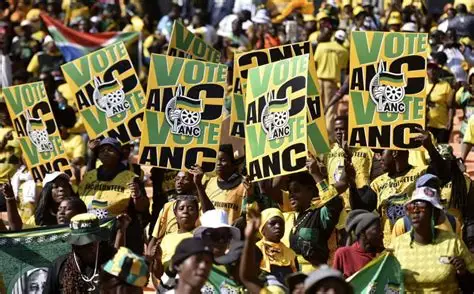
“On November 4, 2026, South Africans will head to the polls in Local Government Elections, with 546 out of 732 registered parties contesting. The ANC, once dominant, now faces surging competition from the DA and MK, raising the likelihood of coalition governance.”
South Africa is entering a defining moment in its democratic journey as the 2026 Local Government Elections approach. Scheduled for November 4, 2026, these elections are not only about municipal governance but also about the broader trajectory of the country’s political landscape. With 75% of registered political parties contesting, the elections promise to be one of the most competitive in recent history.
IEC Proclamation and Voter Mobilization
The Independent Electoral Commission (IEC) has confirmed the date, triggering a 90-day campaign period. Over 29 million registered voters, including a record number of young South Africans, are expected to participate. This surge in youth registration reflects growing disillusionment with traditional political structures and a desire for change.
ANC’s Struggles
The African National Congress (ANC), historically dominant, is grappling with internal challenges. The party missed deadlines for submitting candidate lists in several municipalities, citing “technical glitches.” However, analysts argue that factional disputes and infighting are the real culprits. This misstep has weakened the ANC’s credibility and could cost them crucial seats.
Opposition Surge: DA and MK
The Democratic Alliance (DA) and uMkhonto weSizwe (MK) Party are capitalizing on the ANC’s vulnerabilities. Early polling shows the ANC leading with 40.18%, but the DA and MK are surging, signaling a fragmented political environment. Both parties are positioning themselves as viable alternatives, with the DA emphasizing governance efficiency and MK appealing to populist sentiments.
Coalition Politics
With no single party likely to secure outright dominance, coalition governance is becoming a realistic scenario. Municipal councils across South Africa may see alliances formed between smaller parties and major opposition groups, reshaping local governance dynamics. Analysts warn that coalition politics could bring both innovation and instability, depending on how parties manage power-sharing.
Key Issues Driving the Election
- Unemployment: South Africa’s jobless rate remains among the highest globally, fueling voter frustration.
- Crime and Security: Rising crime rates are a central concern, with parties promising stronger policing and community safety programs.
- Service Delivery: Poor municipal services, including water, electricity, and sanitation, remain a flashpoint for voters.
- Youth Disillusionment: Younger voters are increasingly skeptical of the ANC’s governance record, turning to alternative parties.
Electoral Participation
Out of 732 registered parties, 546 have nominated candidates, representing 75% participation. This unprecedented level of engagement underscores the vibrancy of South Africa’s democracy, even as it faces challenges of polarization and mistrust in institutions.
Conclusion
The 2026 Local Government Elections are shaping up to be a watershed moment in South Africa’s democratic history. With the ANC struggling to maintain dominance, and opposition parties gaining ground, the elections could redefine governance at both municipal and national levels. The outcome will not only determine who controls local councils but also set the tone for South Africa’s political future.



