




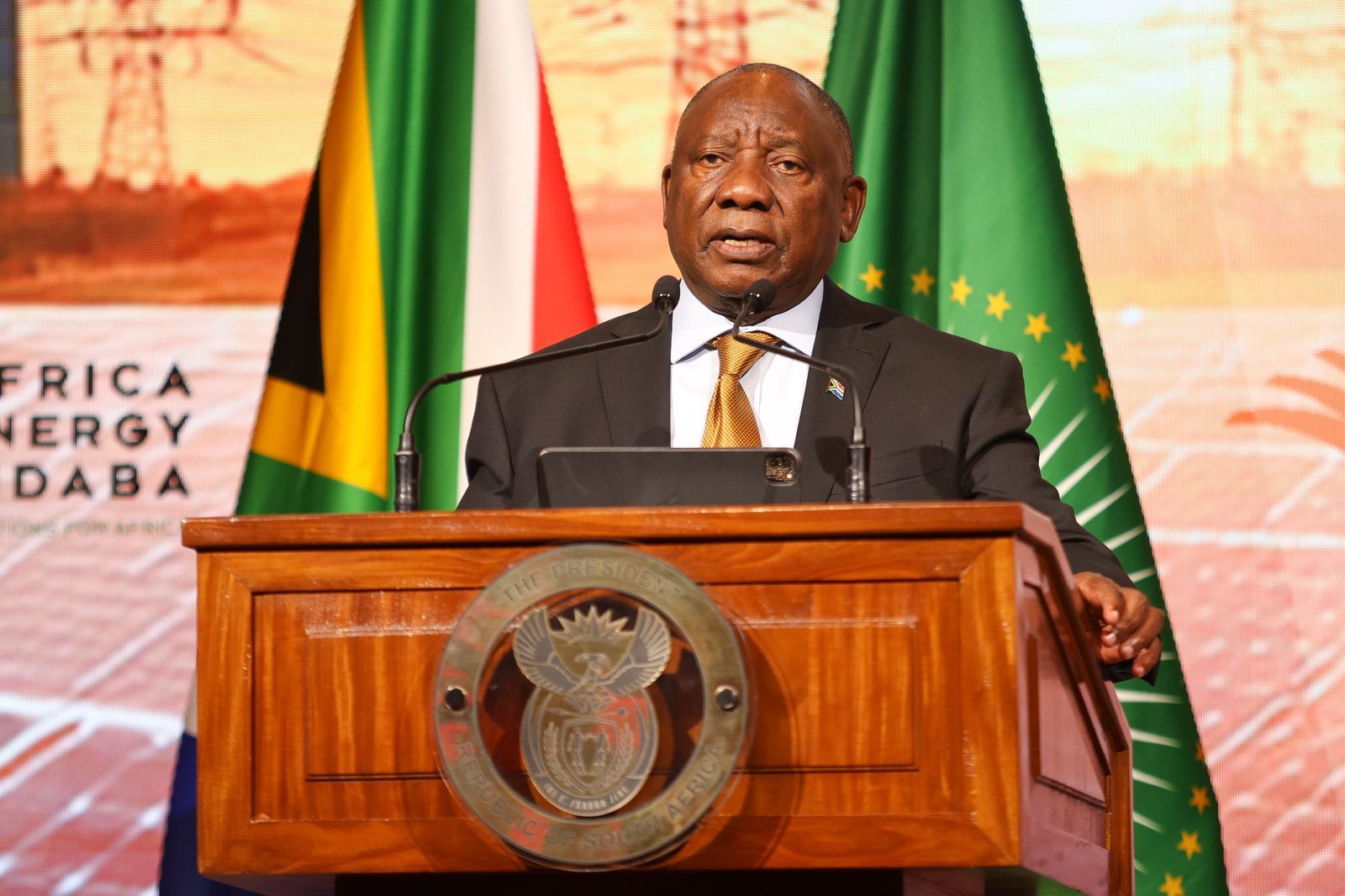
“President Cyril Ramaphosa’s court challenge against the Section 89 panel report on the Phala Phala scandal has intensified scrutiny of governance and accountability in South Africa. The impeachment committee’s contested search for a new evidence leader highlights deep divisions in Parliament and raises questions about the robustness of democratic oversight.”
South Africa’s governance landscape is once again dominated by the Phala Phala scandal, a controversy that has tested the resilience of democratic institutions and the credibility of President Cyril Ramaphosa. The unfolding legal and parliamentary battles are not merely about one leader’s accountability but about the broader question of how governance structures in South Africa can withstand political turbulence while maintaining public trust.
Background of the Scandal
The Phala Phala saga began with allegations that President Ramaphosa failed to properly disclose and manage foreign currency found at his private game farm. The Section 89 panel concluded that he had a case to answer, sparking impeachment proceedings. Ramaphosa, however, challenged the findings in court, arguing that the panel applied the wrong legal standards and failed to properly assess the evidence.
Governance Implications
At the heart of this controversy lies the principle of presidential accountability. South Africa’s governance framework is built on checks and balances between the executive, legislature, and judiciary. The impeachment committee’s struggle to appoint an evidence leader underscores the fragility of these mechanisms. The ANC-led Government of National Unity (GNU) coalition has defended Ramaphosa, while opposition parties argue that shielding the president undermines democratic oversight.
Parliamentary Dynamics
The impeachment committee’s decision to drop advocate Thandazani Madonsela due to perceived conflicts of interest illustrates the contested nature of governance. While parliamentary legal opinions found no actual conflict, political maneuvering led to his removal. This episode reflects how governance processes can be derailed by partisan interests, raising concerns about whether Parliament can act as a neutral arbiter in matters of accountability.
Judicial Review
The judiciary’s role in reviewing the Section 89 panel report is equally critical. Ramaphosa’s legal team, led by advocate Wim Trengove, argued that the panel misapplied legal standards. On the other hand, opposition lawyers, including advocate Dali Mpofu, questioned whether the Western Cape High Court even had jurisdiction to review the report. This clash highlights the tension between legal technicalities and the broader governance imperative of ensuring accountability.
Public Trust and Governance
Public trust in governance is at stake. Many South Africans view the Phala Phala scandal as emblematic of deeper issues of corruption and lack of transparency. The president’s insistence on challenging the report in court may be seen as an attempt to protect his office, but it also risks eroding confidence in the executive’s willingness to be held accountable.
Broader Political Context
The scandal unfolds against the backdrop of upcoming local government elections, where parties like Build One South Africa (BOSA) and the Africa Mayibuye Movement are positioning themselves as champions of clean governance. Their manifestos emphasize financial responsibility, improved service delivery, and safer communities—issues that resonate strongly given the governance crisis at the national level.
Risks and Challenges
- Governance paralysis: The impeachment process has stalled, leaving uncertainty about the president’s future.
- Judicial politicization: Courts risk being perceived as political actors rather than neutral arbiters.
- Public disillusionment: Continued scandals may deepen voter apathy and distrust in governance institutions.
Conclusion
The Phala Phala scandal is more than a test of Cyril Ramaphosa’s leadership—it is a test of South Africa’s governance system. Whether Parliament and the judiciary can navigate this crisis with integrity will determine the future of accountability in the country. For citizens, the outcome will signal whether governance structures remain robust enough to safeguard democracy or whether political expediency will erode the foundations of accountability.



