




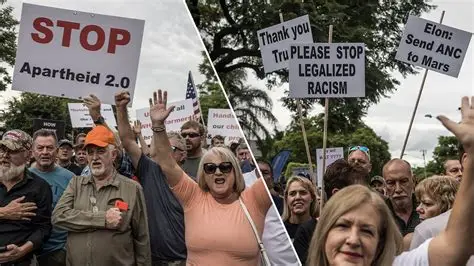
“Violent anti-immigrant protests across South Africa have displaced more than 160,000 foreign nationals, with at least four deaths reported, as activist groups demand undocumented migrants leave the country. Civil society organizations warn that the activism, framed as economic justice, has devolved into xenophobic vigilantism undermining social cohesion and constitutional protections.”
South Africa is facing one of its most significant political and social crises in recent years. What began as grassroots activism demanding economic justice has spiraled into xenophobic vigilantism, leaving tens of thousands displaced and sparking international condemnation.
Background of the Activism
Since March 2026, activist groups such as Operation Dudula and the March and March Movement have mobilized communities under the banner of reclaiming jobs and housing from undocumented migrants. These groups issued ultimatums demanding that all undocumented migrants leave South Africa by June 30, 2026, threatening consequences if demands were not met. Despite government statements emphasizing that immigration enforcement is the sole responsibility of the state, activists pressed forward, staging rallies, raids, and community-level expulsions.
Escalation into Violence
The activism quickly transformed into violence. In Johannesburg’s Thembelihle township, Malawian residents reported armed gangs breaking into homes, beating occupants, and ordering them to “go home.” Similar incidents were reported in Durban and Pretoria, where migrants faced harassment, robbery, and forced evictions.
- Mass displacement: More than 160,000 migrants from Mozambique, Nigeria, Zimbabwe, and Malawi have fled South Africa since March 2026.
- Deportations: At least 54,000 migrants have been deported through official channels.
- Fatalities: Four migrants have been killed, while many others sought refuge in churches, embassies, and temporary shelters.
Activism vs. Xenophobia
Organizers describe their actions as activism for economic justice, claiming they are defending South African workers from unfair competition. However, critics argue that the movement has devolved into xenophobic vigilantism. Migrants often fill labor gaps in construction, domestic work, and informal trade, sectors where South African workers are less represented. Civil society groups, including the Institute for Security Studies (ISS), have documented harassment, evictions, and destruction of livelihoods, warning that the activism undermines social cohesion and constitutional protections.
Government Response
The South African government has struggled to balance public frustration over unemployment with constitutional protections for migrants. Officials have condemned vigilante violence but admitted that immigration data remains incomplete, complicating enforcement. Police presence at marches has been criticized as passive, with officers accused of watching as migrants were evicted from homes.
Civil Society and Human Rights
Civil society organizations, including church groups and NGOs, have stepped in to provide shelter, food, and legal assistance to displaced migrants. International human rights bodies have condemned the violence, urging South Africa to uphold its constitutional commitments and international obligations.
International Reaction
Neighboring countries such as Zimbabwe and Malawi have expressed concern over the safety of their citizens, while international organizations have called for urgent intervention. The United Nations High Commissioner for Refugees (UNHCR) has warned that the crisis could destabilize the region if left unchecked.
Voices from the Ground
Migrants describe the fear of living under constant threat. “We came here to work and support our families, but now we are hunted like criminals,” said a Nigerian trader in Johannesburg. South African activists defending the movement argue that unemployment and poverty have reached unbearable levels, and undocumented migration exacerbates the crisis.
Analysis
The crisis highlights the tension between economic justice activism and xenophobic vigilantism. While activists frame their actions as defending South African workers, the violence and displacement reveal deeper issues of governance, inequality, and social cohesion.
Conclusion
South Africa’s anti-immigrant activism has reached a dangerous tipping point. Unless the government takes decisive action to protect migrants and address unemployment, the country risks further violence, international isolation, and erosion of its democratic values.



