




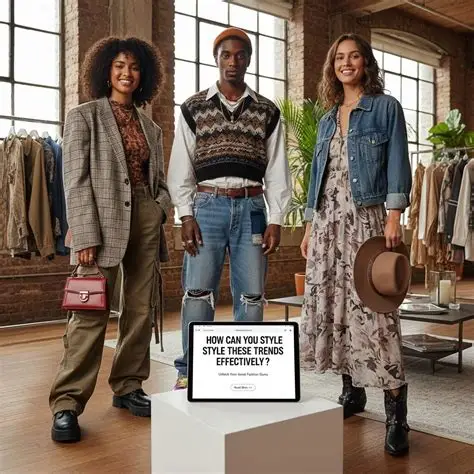
“South Africa’s fashion industry is undergoing a transformation, with sustainability and cultural heritage driving trends in 2026. From recycled fabrics to Ndebele-inspired prints, local designers are blending tradition with global digital aesthetics to compete against international retail giants.”
The South African fashion landscape in 2026 is experiencing a seismic shift. With rising disposable incomes, rapid urbanization, and a booming e-commerce sector, the industry is not only expanding but redefining itself through sustainability and cultural storytelling. This transformation is positioning South Africa as a hub of innovation, where local identity meets global relevance.
Market Growth and Dynamics
- Market Value: USD 5.8 billion in 2023, projected to reach USD 7.9 billion by 2030.
- Growth Drivers: Urbanization, middle-class expansion, and digital retail adoption.
- E-commerce: Online sales surged from 2% in 2019 to 5% in 2023, reshaping consumer behavior.
This growth is not just numerical—it reflects a deeper cultural and environmental consciousness among consumers.
Sustainability as the Core Trend
- Projected Value: Sustainable fashion expected to hit USD 680.66 million by 2033.
- Growth Rate: CAGR of 25.27% from 2026.
- Key Products: Recycled materials dominate, with upcycled denim, organic cotton, and biodegradable fabrics leading collections.
Designers are increasingly aware that sustainability is not a niche but a necessity. South African consumers, particularly younger demographics, demand eco-conscious products that align with their values.
Cultural Fusion in Fashion
South African fashion thrives on cultural storytelling.
- Heritage Prints: Ndebele motifs and African-inspired patterns dominate streetwear.
- Animal Prints: Reimagined with neon overlays, reflecting modern urban energy.
- Influence of Nature: Earthy neutrals like sand and stone mirror the Karoo desert and coastal dunes.
This cultural grounding ensures that fashion remains authentically South African while appealing to global audiences.
Global Competition and Local Differentiation
International giants like Amazon, Shein, and Temu are aggressively entering the South African market. Their competitive pricing and marketing strategies challenge local retailers.
- Local Response: Differentiation through unique value propositions, personalized experiences, and premium “destination stores.”
- Key Players: Kingsgate Clothing Group, Da Gama Textiles, Truval Manufacturers, and Wear South African.
Local brands are leveraging cultural authenticity and sustainability to carve out niches against global competitors.
Fashion Trends Defining 2026
- Earthy Neutrals: Sand, stone, and soft brown tones anchor collections.
- Jewel Tones: Emerald, sapphire, and ruby add vibrancy.
- Metallics: Chrome silver and rose gold reflect digital aesthetics.
- Pastels: Soft pink and sage balance bold tones for summer.
These palettes illustrate how South African fashion blends tradition with futurism.
Luxury Market Resilience
Despite global competition, South Africa’s luxury market remains robust.
- Growth: 8% increase in luxury trading density in shopping centers in the past year.
- Leadership: South Africa leads Africa in luxury store numbers.
Luxury fashion continues to thrive, proving that premium experiences remain in demand.
Conclusion
South Africa’s fashion industry in 2026 is at a crossroads—balancing sustainability, cultural heritage, and global competition. With recycled fabrics, heritage prints, and digital-inspired metallics, the country is not just following trends but setting them. The fusion of tradition and innovation ensures that South African fashion will remain globally relevant while deeply rooted in local identity.



