




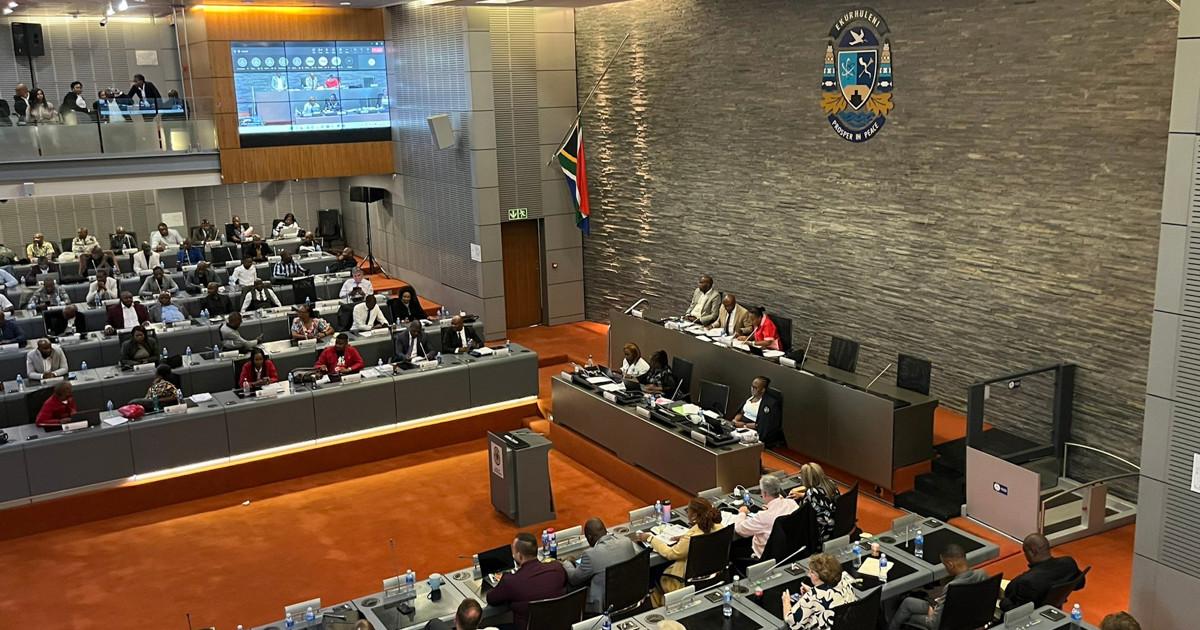
“South Africa’s government is preparing new coalition governance guidelines following the 2026 Local Government Elections, seeking to prevent political disagreements and unstable power-sharing arrangements from disrupting municipal service delivery. The initiative comes as the ANC suffers a significant electoral setback, coalition negotiations become increasingly important across municipalities, and public pressure intensifies for accountable leadership, improved infrastructure and effective local government.”
South Africa Moves to Strengthen Coalition Governance as Municipal Elections Reshape Political Leadership
South Africa is entering a significant new phase of local government governance following the November 2026 Local Government Elections, with the national government preparing guidelines intended to strengthen coalition arrangements, improve political stability and protect municipal service delivery. The initiative comes at a critical moment for the country’s democratic institutions, as electoral fragmentation increases and numerous municipalities face negotiations to establish governing majorities.
The announcement was made on Friday, 6 November, by Deputy Government Spokesperson William Baloyi, who confirmed that the Department of Cooperative Governance and Traditional Affairs (CoGTA) would release guidelines to help political parties navigate coalition negotiations and arrangements. Government says the framework is intended to prevent political disagreements from undermining essential services and to provide greater consistency in municipal governance.
Coalition Governance Becomes a National Priority
The growing importance of coalition governments reflects fundamental changes in South Africa’s political landscape. The African National Congress, which governed numerous municipalities for decades, has experienced a substantial decline in electoral support, creating opportunities for opposition parties and smaller political organisations to influence municipal leadership.
Preliminary election results reported on Friday showed the ANC receiving approximately 32% of the national municipal vote, compared with the Democratic Alliance’s approximately 24%. These figures represented a major decline from the ANC’s 2021 local election performance, when it received approximately 45.6% of the vote.
The results reinforced a broader political transformation that began with the ANC losing its parliamentary majority in the 2024 national elections.
Reuters reported that approximately 90% of municipal votes had been counted by Friday, with projections suggesting the ANC’s final national share would remain near 31% and the DA’s around 24.5%.
The declining dominance of a single party means coalition negotiations are becoming increasingly important to determine who controls municipalities, appoints mayors and oversees local administration.
Government Seeks Stability Through Coalition Guidelines
According to Baloyi, the proposed guidelines will provide political parties with a framework for negotiating coalition arrangements while helping ensure that disagreements do not interfere with government responsibilities.
The government has identified municipal stability as a priority because local authorities are responsible for essential public services, including water provision, electricity distribution, sanitation, waste management, municipal roads and infrastructure maintenance.
When political disagreements destabilise municipal leadership, residents can experience consequences through delayed decisions, disrupted infrastructure projects and uncertainty over administrative priorities.
The guidelines are therefore intended to encourage political parties to approach negotiations with greater discipline and an understanding of their responsibilities towards communities.
Although government has announced the initiative, the guidelines should not be confused with legislation. Their precise requirements, implementation arrangements and enforcement mechanisms will depend on the framework subsequently released by CoGTA.
Approximately 110 Municipal Councils Face Coalition Negotiations
The scale of the coalition challenge has become particularly apparent as election results continue to emerge.
IOL reported on 6 November that approximately 110 municipal councils were hung, meaning no political party had secured an outright majority.
The ANC remained the largest party nationally, while the DA occupied second position. The MK Party also recorded substantial support, particularly in KwaZulu-Natal.
The fragmented results mean that political parties must negotiate partnerships to secure sufficient council support to elect municipal leadership and establish governing arrangements.
These negotiations will determine which parties control mayoral positions, municipal executive committees and portfolio responsibilities.
Smaller parties could consequently become important participants in municipal governance despite receiving substantially fewer votes than the largest political organisations.
The resulting political environment presents both opportunities and risks.
Coalitions can encourage cooperation, broaden representation and create incentives for parties to negotiate practical solutions. However, disagreements over appointments, policy priorities and the distribution of executive responsibilities can also destabilise municipalities.
Municipal Service Delivery Remains the Central Governance Challenge
The coalition debate is taking place against a background of widespread public dissatisfaction with municipal performance.
South African voters have repeatedly raised concerns about unreliable water supplies, electricity interruptions, deteriorating roads, unemployment, crime, housing shortages and inadequate sanitation.
Reuters reported before the elections that service delivery concerns were particularly pronounced in Johannesburg, Tshwane and eThekwini.
Johannesburg continues to face significant water infrastructure challenges, while Tshwane has experienced maintenance backlogs affecting essential municipal networks. In eThekwini, infrastructure pressures and sanitation challenges have contributed to dissatisfaction among residents.
These problems have weakened confidence in established political leadership and contributed to the electoral decline of the ANC.
The governance challenge facing incoming municipal administrations is therefore not simply establishing coalitions but demonstrating that political agreements can translate into measurable improvements in residents’ everyday lives.
Johannesburg Emerges as a Major Coalition Battleground
Johannesburg is among the municipalities attracting considerable attention as parties prepare to negotiate governing arrangements.
The Democratic Alliance has emerged strongly in the city, raising the possibility of a significant change in municipal leadership.
DA leader Geordin Hill-Lewis has indicated that the party will consider potential coalition partnerships individually while respecting the electoral mandates of other parties.
The DA has also suggested that parties bringing the largest electoral mandate into a coalition should reasonably expect to lead its government.
The party has emphasised accountability, integrity, financial discipline and improved service delivery as priorities for coalition arrangements.
Hill-Lewis has additionally committed to publishing coalition agreements once negotiations have been concluded, allowing residents to examine the commitments made by participating political parties.
The negotiations will be particularly important in Johannesburg, where residents have experienced repeated changes in municipal leadership and continuing service delivery difficulties.
A stable governing arrangement could create opportunities for improved administration, but political disagreements could also reproduce the instability experienced in previous coalition governments.
Transparency and Public Accountability Under Pressure
One of the most significant governance questions arising from the election results concerns the transparency of coalition negotiations.
Political parties frequently negotiate over mayoral appointments, executive committee positions and municipal portfolios. However, residents may have limited information about the commitments underlying those arrangements.
Without publicly accessible agreements, communities can struggle to determine whether parties are prioritising municipal performance or political appointments.
The DA’s commitment to publishing coalition agreements could provide an important transparency measure if implemented consistently.
Public agreements would allow residents, civil society organisations and journalists to examine political commitments and assess whether coalition partners are fulfilling their responsibilities.
Accountability also requires clear mechanisms for monitoring municipal performance, investigating misconduct and responding to failures in service delivery.
The governance challenge is therefore to ensure that coalition arrangements create enforceable political commitments rather than simply distributing positions among participating parties.
The Proposed Coalition Bill Could Strengthen Municipal Governance
Alongside the government’s guidelines, South Africa is considering legislative measures intended to establish a stronger framework for municipal coalition governance.
The Local Government: Municipal Structures Amendment Bill of 2026, commonly referred to as the Municipal Coalitions Bill, seeks to regulate coalition arrangements and improve their stability.
Proposals include requiring written coalition agreements, submitting those agreements to municipal managers and provincial authorities, and publishing them in Provincial Gazettes.
The legislation also seeks to strengthen accountability and improve the functioning of municipal leadership structures.
Parliament’s Portfolio Committee on Cooperative Governance and Traditional Affairs received a substantive briefing on the Bill in August 2026.
However, the legislation has not yet become law, and its final provisions remain subject to parliamentary processes.
The proposed guidelines and the legislative initiative represent separate but potentially complementary efforts to address coalition governance challenges.
Political Parties Face Pressure to Prioritise Residents
The electoral results have created an important test for South Africa’s political leadership.
The ANC must respond to declining public confidence and demonstrate that it can improve municipal administration where it retains governing responsibilities.
The DA and other opposition parties must similarly demonstrate that electoral gains and coalition participation can translate into better public services.
Smaller parties entering coalition negotiations face additional pressure to establish clear policy priorities and explain the compromises they are prepared to make.
Political analysts have warned that coalition negotiations can become dominated by political bargaining rather than municipal performance.
This raises concerns about whether governing arrangements will prioritise public interests or focus primarily on leadership appointments.
The challenge is particularly significant in municipalities where residents have experienced unstable coalitions and repeated leadership changes.
The credibility of coalition governance will increasingly depend on whether political parties can demonstrate practical improvements in administration, infrastructure investment and financial management.
Municipal Administration Must Continue During Negotiations
South Africa’s municipal governance system includes elected political representatives and professional administrative structures.
Municipal managers, departmental officials and technical personnel remain responsible for implementing municipal programmes and delivering services.
Consequently, coalition negotiations should not automatically prevent municipal administration from functioning.
However, political instability can affect the approval of budgets, strategic decisions, infrastructure programmes and appointments to senior positions.
Government has therefore emphasised that coalition arrangements must avoid disrupting essential services.
The incoming political leadership will need to cooperate with municipal administrations to ensure that operational responsibilities continue while governing agreements are negotiated.
This will be particularly important in municipalities facing financial difficulties, infrastructure backlogs and administrative weaknesses.
A Defining Test for South African Democracy
South Africa’s 2026 Local Government Elections represent an important turning point in the country’s democratic development.
The decline of established political dominance has created a more competitive political environment, giving voters greater opportunities to influence municipal leadership.
At the same time, the growing prevalence of coalition governments presents new governance challenges requiring cooperation, transparency and institutional discipline.
Government’s planned coalition guidelines are intended to help address those challenges by encouraging political parties to establish arrangements that support stability and service delivery.
However, guidelines alone cannot resolve municipal governance problems.
Successful coalitions will require capable councillors, professional administrations, transparent decision-making, effective oversight and a sustained commitment to residents.
Ultimately, South Africans will judge the emerging coalition era not simply by the political agreements signed after the elections, but by whether municipalities become more accountable, financially responsible and capable of delivering reliable services.
The coming weeks will therefore be crucial as political parties negotiate municipal leadership arrangements and government prepares its coalition governance framework.
The central question facing South Africa is whether a more fragmented political landscape can produce stronger local democracy and better public administration.
For millions of residents, the answer will be reflected in the quality of water, electricity, sanitation, roads, housing and other services provided by their municipalities.
The success of South Africa’s new coalition governance era will depend on whether political cooperation becomes a practical instrument for accountability, stability and improved service delivery.



