




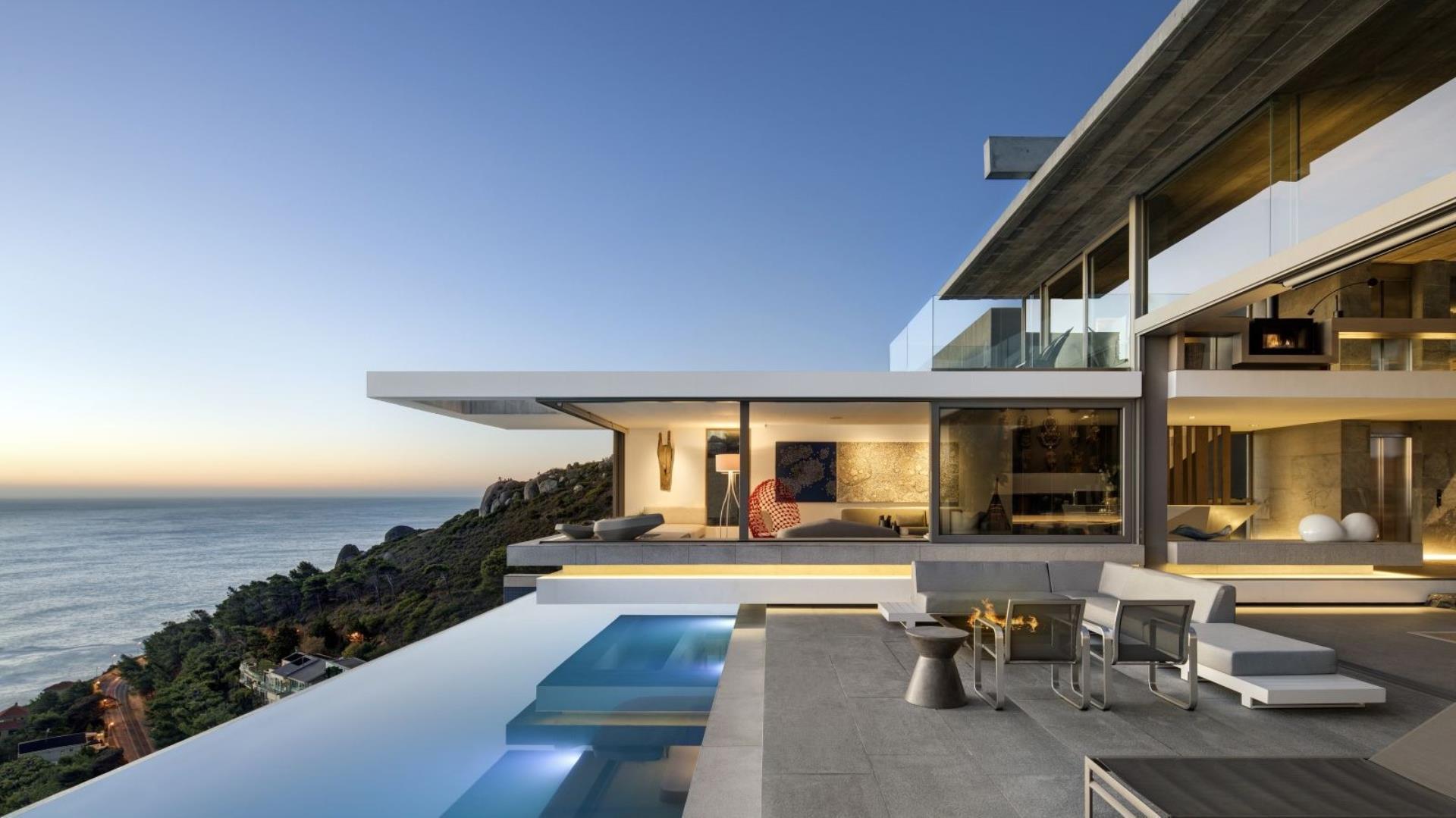
“South Africa’s luxury residential property market continues to attract attention as high-value transactions, secure lifestyle estates and sought-after coastal destinations reshape demand among affluent buyers. A reported R27 million home sale in Johannesburg’s Melrose suburb, together with Absa’s latest Homeowners Sentiment Index findings, highlights the importance of location, lifestyle, security and careful financial planning in the premium housing sector.”
Luxury property demand reflects changing buyer priorities
South Africa’s luxury residential property market is experiencing an important shift, with affluent buyers increasingly evaluating homes according to more than architectural appeal and prestigious addresses. Security, reliable infrastructure, lifestyle amenities, investment potential and proximity to business centres are becoming important considerations when purchasing premium residential property.
Recent reports from property industry participants indicate that the high-end market remains active despite economic uncertainty and pressure on household affordability. Johannesburg’s established luxury suburbs continue to command attention, while Cape Town, the Western Cape Winelands and selected coastal destinations are attracting buyers seeking lifestyle opportunities and long-term residential value.
A notable development illustrating Johannesburg’s continued relevance is the reported R27 million sale of a four-bedroom home in Melrose. Published by Pam Golding Properties on 19 October 2026, the transaction highlights the continuing appeal of established northern Johannesburg suburbs to buyers seeking sophisticated homes in well-connected locations.
The property reportedly featured high ceilings, spacious living areas, seamless indoor-outdoor living and a temperature-controlled wine room. These features demonstrate how luxury housing increasingly combines practical comfort with entertaining spaces, privacy and distinctive architectural character.
The transaction does not establish that every luxury property is appreciating or selling quickly. Nevertheless, it provides a useful example of the prices that exceptional homes can achieve in established residential markets.
Johannesburg maintains its position in the premium housing market
Johannesburg remains an important centre for South Africa’s high-value residential property sector because of its corporate headquarters, professional services, private schools, retail facilities and established affluent neighbourhoods.
Melrose, Dunkeld and Westcliff benefit from their established residential character and access to important urban amenities. For some buyers, these suburbs offer a balance between privacy and convenient access to commercial districts, restaurants, healthcare and leisure facilities.
However, Johannesburg’s luxury market is also being influenced by changing perceptions of wealth and lifestyle. A report published by Financial Mail on 1 October 2026, drawing on the Africa Wealth Report 2026, described the changing distribution of wealthy residents between Johannesburg and Cape Town.
According to that report, Johannesburg had approximately 11,500 dollar millionaires, compared with Cape Town’s 9,700. It also reported that Johannesburg’s millionaire population had declined by 22% over a decade, while Cape Town’s had grown by 35%.
These figures refer to residents classified by their liquid wealth, excluding property and private businesses. They should not be confused with property ownership statistics or the number of luxury homebuyers.
Even so, the comparison suggests that affluent residential demand is influenced by broader decisions about business opportunities, lifestyle, location and where wealthy households choose to live.
For Johannesburg property owners, maintaining a property’s competitive appeal may therefore require attention to security, maintenance, energy resilience and the quality of the surrounding neighbourhood.
Secure estates attract wealthy Gauteng buyers
Gated residential estates have become an important part of Gauteng’s luxury property landscape. Buyers are increasingly attracted to developments offering controlled access, managed common areas, recreational facilities and a more integrated residential environment.
Business Day reported on 17 August 2026 that luxury homes in Gauteng estates can sell for between R15 million and R60 million or more. The report cited Lightstone data indicating that estate properties represented 16.7% of transactions but 28.6% of total transaction value.
This difference demonstrates the substantial contribution estates make to the upper end of the provincial property market.
Developments such as Blair Atholl Golf and Equestrian Estate, Dainfern Golf Estate, Mooikloof Equestrian Estate and Pecanwood Estate appeal to different buyer priorities. Some offer golf and leisure facilities, while others emphasise expansive properties, equestrian amenities or waterfront living.
Midstream Estate, meanwhile, has developed into a residential node with schools, shopping facilities, offices, sports amenities and healthcare services.
For families, these facilities can reduce travel requirements and make daily routines more convenient. For professionals, a well-managed estate may provide an attractive residential environment without requiring them to sacrifice access to employment centres.
Nevertheless, estate living comes with additional costs. Buyers must consider homeowners’ association levies, maintenance obligations, security charges, estate regulations and the possibility of future special assessments.
Consequently, the true value of an estate property depends not only on the purchase price but also on the quality of its management and the ongoing cost of ownership.
Western Cape luxury homes continue to attract attention
The Western Cape remains central to South Africa’s premium residential market, particularly in Cape Town and the surrounding Winelands.
Absa’s Homeowners Sentiment Index report, published on 25 August 2026, found that properties valued above R4.5 million accounted for 5.2% of South African property transactions in the second quarter of 2026, up from 4% a year earlier.
The bank also reported that luxury properties accounted for 9.9% of transactions in the Western Cape during that quarter.
These figures indicate a growing share of transactions in the higher-value segment, although they do not mean that all premium properties are selling at higher prices or that demand is equally strong in every neighbourhood.
Cape Town’s appeal includes its coastal setting, restaurants, cultural attractions, international connectivity and access to outdoor recreation. Areas along the Atlantic Seaboard and within the City Bowl have established reputations among buyers seeking apartments, penthouses and luxury houses.
The Winelands, including Stellenbosch, Paarl and Franschhoek, offer a different proposition. Spacious homes, vineyard surroundings, hospitality facilities and a quieter residential atmosphere can appeal to families, retirees and purchasers seeking second homes.
Coastal destinations such as Hermanus and Plettenberg Bay also attract buyers interested in holiday properties and lifestyle-oriented retirement.
For investors, however, location alone is insufficient. Rental demand, seasonal occupancy, insurance premiums, municipal services, maintenance and the purchase price must all be evaluated before a property’s investment potential can be established.
Coastal trophy properties and emerging lifestyle destinations
Luxury property demand is also extending beyond traditional urban centres towards destinations offering natural surroundings and recreational opportunities.
Financial Mail’s October report highlighted the growing appeal of the Whale Coast, the Garden Route and selected lifestyle estates. It reported a R105 million sale involving a historic Hermanus property, illustrating the exceptional prices that rare, high-profile residences can achieve.
Such transactions belong to a specialised segment of the market. A unique historic home with extensive grounds cannot necessarily be compared directly with a standard luxury house or apartment.
Nevertheless, they demonstrate that affluent buyers may place considerable value on privacy, heritage, architectural distinction and scarce locations.
Eco-estates represent another emerging area of interest. Properties that combine residential comfort with indigenous vegetation, wildlife, outdoor recreation and environmentally conscious design may appeal to purchasers seeking an alternative to dense urban living.
Developments near White River, Dullstroom and Gqeberha have been identified among lifestyle-estate locations worth watching.
However, buyers should investigate environmental restrictions, water availability, emergency access, insurance coverage and the long-term financial sustainability of estate management before committing substantial capital.
Affordability and economic uncertainty remain important risks
Despite encouraging activity in parts of the luxury market, South Africa’s property sector faces wider economic challenges.
Absa’s August report recorded overall property-market confidence of 87% in the second quarter of 2026, down one percentage point. It also reported declines in several confidence measures, including buying, renovating and investing.
The findings suggest that buyers continue to weigh property ownership against interest rates, living costs, economic uncertainty and the financial responsibilities associated with homeownership.
Luxury purchasers may have greater financial flexibility than average households, but they are not completely insulated from these pressures. Higher borrowing costs can affect leveraged investors, while rising insurance, security, utility and maintenance expenses can influence ownership decisions.
International economic conditions and exchange-rate movements may also affect overseas purchasers considering South African property. A weaker rand can improve affordability for some foreign-currency buyers, although individual outcomes depend on exchange rates, financing arrangements and transaction costs.
For local buyers, the key consideration is whether a property’s purchase price and ongoing expenses remain sustainable under different economic scenarios.
Sellers should similarly avoid relying exclusively on exceptional transactions when setting asking prices. A single high-value sale may reflect unusual features, a particularly desirable location or specific circumstances between the parties.
Realistic valuations, recent comparable sales and the condition of the property remain essential.
Legal structures and investment planning
Absa’s research also highlighted the use of legal entities in property purchases. According to the bank, legal entities accounted for 27% of property-market activity in the second quarter of 2026.
Some affluent buyers use companies or other permitted structures as part of broader investment, succession or wealth-planning arrangements. However, the appropriate structure depends on the buyer’s circumstances, tax position, financing requirements and intended use of the property.
Purchasing through a company does not automatically provide tax advantages or reduce overall ownership costs. Professional legal, tax and financial advice is important before selecting an ownership structure.
Buyers should also undertake due diligence covering title deeds, zoning, building approvals, municipal accounts, insurance, estate rules and any restrictions affecting the property.
For foreign purchasers, additional advice may be needed on South African tax obligations, cross-border funding and the rules governing the transfer of money.
Outlook for South Africa’s luxury real estate market
The available evidence points to a diverse premium housing market rather than a uniform national boom. Established Johannesburg suburbs continue to produce high-value transactions, Gauteng estates appeal to buyers prioritising security and amenities, and Western Cape destinations attract people seeking coastal and lifestyle advantages.
Going forward, properties that combine desirable locations, sound construction, effective management and manageable operating costs may be better positioned to attract serious buyers.
Developers and sellers will also need to recognise that luxury expectations are changing. Energy efficiency, reliable utilities, adaptable living spaces, privacy and access to quality services can contribute to a property’s appeal.
For investors, the strongest decisions will require more than following headline sales. Local transaction evidence, realistic rental assumptions, ownership costs and long-term demand should guide valuations and investment strategies.
Ultimately, the reported R27 million Melrose sale offers a snapshot of continuing demand for exceptional homes, while the broader market data illustrates how affluent buyers are reassessing location, lifestyle and financial commitments.
South Africa remains home to a range of attractive luxury residential markets. Their future performance, however, will depend on economic conditions, buyer confidence, local infrastructure and the ability of individual properties to deliver lasting value.
Editorial note: This article integrates and analyses published reporting. The underlying transactions and statistics are attributed to their respective sources; broader implications are analysis rather than independently verified forecasts.



