




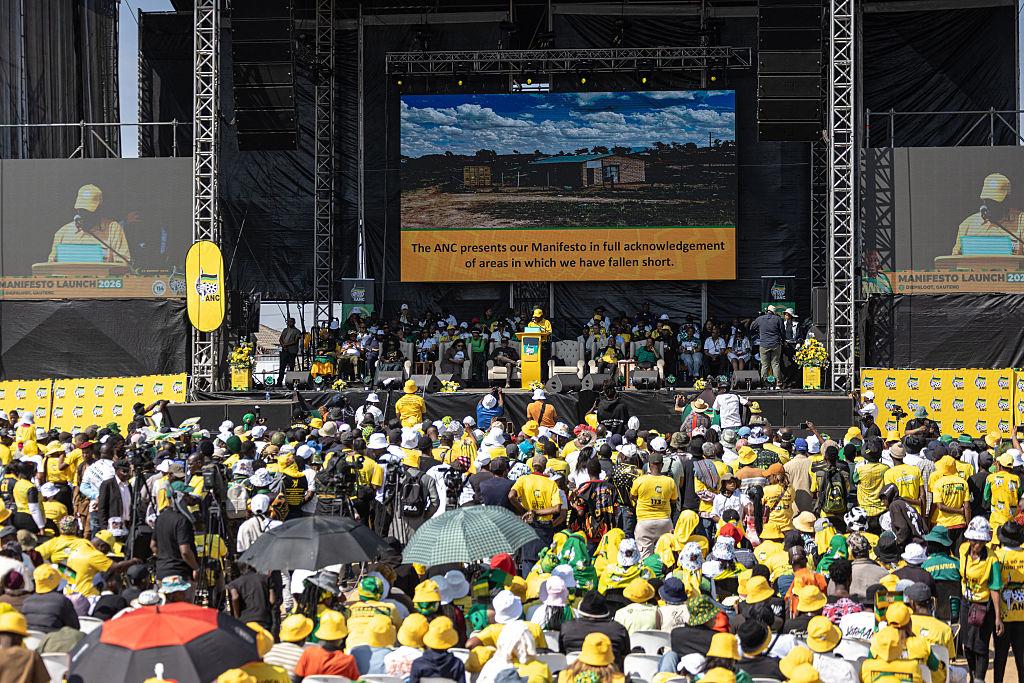
“South Africa’s approaching 4 November 2026 municipal elections are intensifying scrutiny of local government performance, service delivery and political accountability as a fragmented electorate threatens to produce more coalition-led councils. The central governance challenge is whether political parties can establish stable administrations capable of improving municipal finances, infrastructure and essential services while restoring public confidence in government.”
South Africa’s Municipal Elections Put Governance, Accountability and Coalition Stability Under Pressure
South Africa’s approaching local government elections are placing municipal governance, public accountability and political stability at the centre of national debate. With voters preparing to elect councillors on 4 November 2026, political parties face increasing pressure to demonstrate how they intend to restore public confidence, improve essential services and strengthen local government institutions. The elections are taking place against a background of declining public trust, persistent infrastructure problems, financial difficulties and increasingly fragmented political representation.
Municipal Governance Emerges as a Critical Electoral Issue
The 2026 Local Government Elections represent an important test of South Africa’s democratic institutions. Municipalities are responsible for delivering services that directly influence everyday life, including water, electricity, sanitation, refuse collection, road maintenance and local infrastructure development.
However, persistent failures in these areas have weakened confidence in municipal administrations. Communities across several provinces continue to report unreliable water supplies, deteriorating roads, electricity interruptions, sewage problems and inadequate waste management.
According to election reporting published by Jacaranda FM on 1 November, service delivery failures are emerging as major concerns for voters in Mpumalanga, Limpopo and Gauteng. Residents are demanding practical solutions rather than political promises, particularly in communities where infrastructure problems have persisted for extended periods.
These challenges illustrate the importance of effective municipal governance. Elections determine political leadership, but successful administration also requires competent officials, responsible financial management, transparent procurement and consistent accountability.
Political Fragmentation Creates New Governance Challenges
South Africa’s political landscape has become increasingly fragmented following the African National Congress’s loss of its parliamentary majority in the 2024 national elections.
The November municipal elections are expected to continue this trend, potentially producing numerous councils without a single party holding an outright majority.
Reuters reported on 2 November that voters were increasingly distributing their support among different political parties, reflecting dissatisfaction with established political leadership and growing expectations for improved government performance.
This fragmentation presents both opportunities and risks.
On the positive side, coalition governance can encourage cooperation, compromise and broader political representation. Parties may be required to negotiate common priorities and demonstrate greater responsiveness to communities.
Nevertheless, fragmented councils can also experience prolonged negotiations, political disagreements and unstable governing arrangements.
Johannesburg provides an important example of these challenges. The city has experienced repeated changes in mayoral leadership, with political alliances shifting between parties. According to Reuters reporting, Johannesburg has had seven mayors since 2021, highlighting the difficulties associated with maintaining stable political leadership.
Frequent leadership changes can undermine municipal administration because development programmes, financial decisions and infrastructure projects require continuity.
Coalition Governance Requires Political Maturity
Dr Zweli Mkhize, chairperson of Parliament’s Portfolio Committee on Cooperative Governance and Traditional Affairs, has warned that coalition governments are likely to become increasingly common in South African municipalities.
In an interview published by IOL on 1 November, Mkhize indicated that the country could experience more hung municipalities following the elections than the 82 recorded after the 2021 local government elections.
He argued that political parties must develop stronger coalition-management practices, establish clear agreements and prioritise community interests over political competition.
The warning reflects an important governance concern: coalition agreements must translate into functional administrations rather than merely distributing political positions.
Successful coalition arrangements require clearly defined responsibilities, transparent decision-making processes and mechanisms for resolving disagreements.
Without these safeguards, competing political interests can undermine municipal performance and weaken public accountability.
Mkhize also highlighted the importance of dialogue and political maturity, arguing that parties should focus on solutions instead of allowing disagreements to destabilise governing arrangements.
His comments reinforce the importance of treating coalition governance as a responsibility to voters rather than an opportunity for political bargaining.
Public Trust and Accountability Remain Under Pressure
Public confidence in local government remains a significant challenge.
An Ipsos report published on 2 November 2026, titled Little Trust in Current Local Governments as South Africans Demand Better Service Delivery, found that only approximately one-quarter of South Africans aged 18 and older expressed trust in their current local governments.
The report also indicated that 55% of registered voters were distrustful of their local governments.
These findings demonstrate the scale of the accountability challenge confronting municipal administrations.
Trust in government depends on more than political communication. Residents expect elected representatives and municipal officials to demonstrate integrity, competence and responsiveness.
When communities repeatedly experience poor service delivery without satisfactory explanations or corrective action, confidence in public institutions deteriorates.
Consequently, accountability must become an essential component of municipal administration.
Councillors should communicate regularly with residents, explain municipal decisions, monitor service delivery and ensure that public complaints receive appropriate attention.
Municipal management should also provide accessible information about expenditure, procurement decisions, infrastructure projects and performance indicators.
These practices can strengthen transparency while enabling residents to assess whether elected representatives are fulfilling their responsibilities.
Financial Management and Municipal Performance
Municipal financial management is another major governance concern.
Local governments require sustainable revenue collection, responsible expenditure, effective procurement and accurate financial reporting to maintain essential services.
Financial difficulties can undermine infrastructure maintenance, delay development projects and increase dependence on emergency interventions.
Municipalities must therefore improve financial discipline while ensuring that available resources are directed towards community priorities.
National Treasury interventions involving dysfunctional municipalities have also highlighted the importance of compliance with financial management requirements.
In his interview with IOL, Mkhize defended Treasury’s decision to freeze equitable-share transfers to 69 dysfunctional municipalities in July, describing the intervention as an important accountability measure.
The intervention underscores the principle that municipalities must fulfil their financial and administrative obligations.
However, financial enforcement should also be accompanied by institutional support, professional development and practical measures to improve municipal capacity.
Municipalities experiencing serious administrative weaknesses require sustainable recovery strategies that address the underlying causes of dysfunction.
Infrastructure Failures Reveal Governance Weaknesses
Infrastructure challenges remain among the most visible indicators of municipal performance.
Water shortages, electricity interruptions, deteriorating roads and inadequate sanitation affect households, businesses and community development.
Reuters reported on 2 November that water and electricity failures were among the leading concerns shaping South Africa’s municipal elections.
Johannesburg faces significant water losses associated with ageing infrastructure, leakage and illegal connections. EThekwini also experiences substantial water losses, while Tshwane continues to face infrastructure maintenance challenges.
These problems demonstrate how infrastructure management intersects with financial planning, procurement, engineering capacity and accountability.
Municipalities must develop comprehensive infrastructure strategies that prioritise maintenance, rehabilitation and long-term investment.
Emergency interventions remain necessary when services collapse, but sustainable governance requires preventative maintenance and reliable operational planning.
Public infrastructure should also be protected against vandalism, theft and mismanagement.
Political Parties Face Pressure to Deliver Practical Solutions
The elections are creating an opportunity for political parties to demonstrate how their governance approaches can improve municipal performance.
The African National Congress, Democratic Alliance, Economic Freedom Fighters, ActionSA and other parties are competing for support across major metropolitan areas and smaller municipalities.
Their proposals differ in areas such as public-private partnerships, municipal restructuring, infrastructure financing and the role of local government in delivering services.
However, voters increasingly expect measurable commitments rather than broad political promises.
Effective governance programmes should identify specific infrastructure priorities, realistic financing arrangements, implementation timelines and mechanisms for monitoring progress.
Parties should also explain how they intend to strengthen municipal institutions, improve professional administration and address corruption.
The ability to translate campaign commitments into practical administrative outcomes will remain a major test of political credibility.
Electoral Accountability and Democratic Participation
The municipal elections also represent an important opportunity for citizens to exercise democratic accountability.
Voting allows communities to influence political representation and determine which parties will lead municipal administrations.
South African News Agency reporting on 31 October encouraged eligible voters to participate in the elections, emphasising the importance of choosing ethical, capable and accountable leaders.
Democratic participation, however, should extend beyond election day.
Residents can contribute to governance through community meetings, public consultations, municipal oversight processes and engagement with elected councillors.
Civil society organisations also play an important role in monitoring public expenditure, identifying service delivery problems and advocating for institutional reform.
Greater public participation can strengthen municipal accountability while ensuring that development priorities reflect community needs.
The Importance of Institutional Reform
South Africa’s municipal governance challenges require sustained institutional reform.
Political instability, administrative weaknesses and inadequate infrastructure cannot be resolved through leadership changes alone.
Municipalities need competent professional administrations, reliable financial controls, effective oversight structures and stronger mechanisms for enforcing accountability.
Coalition governments must also establish arrangements that protect municipal operations from political disagreements.
The proposed Coalitions Bill has attracted attention because of its potential to address aspects of coalition instability, including motions of no confidence and the formation of governing arrangements.
Although legislative reform may help establish clearer rules, effective implementation remains essential.
Political parties must demonstrate a commitment to stable governance and respect for agreements.
Institutional reform should also strengthen the relationship between elected representatives and professional municipal officials.
Clear responsibilities, transparent procedures and consistent performance monitoring can help reduce administrative uncertainty.
Conclusion: Governance Must Deliver Beyond Election Day
South Africa’s 2026 municipal elections are taking place at a critical moment for local government.
The combination of declining public trust, infrastructure failures, financial pressures and fragmented political representation has placed municipal governance under intense scrutiny.
The elections will determine political leadership across municipalities, but the deeper challenge concerns whether those leaders can restore confidence in public institutions.
Stable coalitions, responsible financial management, transparent administration and effective infrastructure investment will be essential to improving municipal performance.
Ultimately, successful governance must be measured through practical outcomes rather than political promises.
Reliable water supplies, functioning sanitation systems, maintained roads, responsible public expenditure and accountable leadership remain central expectations of South African communities.
The responsibility facing political parties extends beyond securing electoral support. They must demonstrate that democratic representation can produce effective administration, improved services and meaningful accountability.
South Africa’s municipal elections therefore represent more than a contest for political office. They are an important test of whether local government can strengthen democratic trust and deliver tangible improvements in the lives of residents.



