




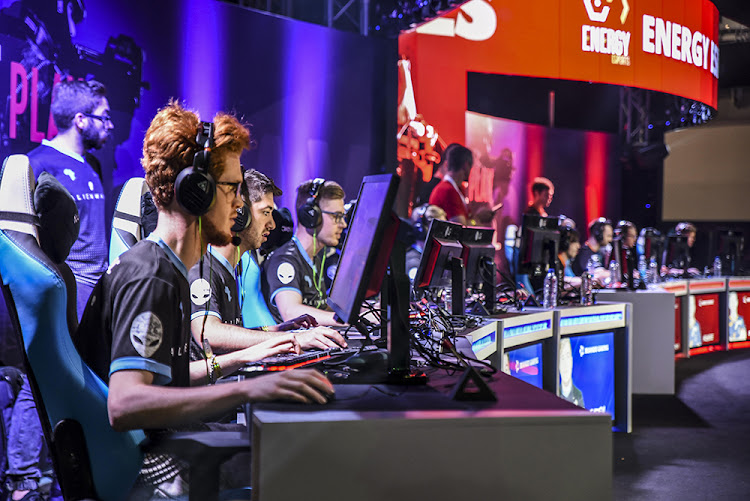
“South African Rocket League teams shocked the esports community in the RLCS 2026 season by defeating established international squads, proving the SSA region’s competitive strength. This breakthrough highlights the country’s growing infrastructure, talent pool, and commitment to esports development.”
The Rocket League Championship Series (RLCS) 2026 has become a defining chapter for South African esports. For years, the SSA region was considered a developing territory in competitive gaming, often overshadowed by Europe, North America, and Asia. However, the latest season has shattered expectations, with South African teams emerging as serious contenders. This article explores the rise of these challengers, the infrastructure supporting them, and the broader implications for esports in South Africa.
The Breakthrough Moment
The RLCS 2026 season introduced several new teams from SSA, including South Africa’s Bravado Gaming and Energy Esports. These squads not only qualified but also advanced deep into the tournament brackets, defeating established European and North American teams. Their victories were not flukes; they showcased tactical discipline, mechanical skill, and team synergy that rivaled the best in the world.
Infrastructure and Support
South Africa’s esports ecosystem has matured significantly in recent years. Platforms like ZA Esports Hub have centralized tournament organization, player statistics, and community engagement. Local leagues such as Mettlestate Cash Cups and ACGL tournaments have provided consistent competitive opportunities, allowing players to hone their skills against regional rivals before stepping onto the global stage.
Talent Development
One of the most striking aspects of South Africa’s rise is the emphasis on grassroots development. High schools and universities have begun integrating esports programs, while private academies offer coaching in titles like Rocket League, Valorant, and CS:GO. This pipeline ensures that young talent is nurtured early, creating a sustainable future for competitive gaming.
Economic and Cultural Impact
Esports is no longer a niche hobby in South Africa. Sponsorships from telecom companies, energy drink brands, and tech firms have poured into the scene. The RLCS success has amplified mainstream recognition, with Rocket League matches being broadcast on local sports channels. This visibility has helped shift cultural perceptions, positioning esports alongside rugby, cricket, and football as a legitimate sporting pursuit.
Challenges Ahead
Despite the progress, challenges remain. Internet infrastructure, while improving, still lags behind global standards. Latency issues can affect online play, and access to high-performance hardware remains limited for many aspiring players. Additionally, the need for government recognition and support is critical to ensure esports receives the same institutional backing as traditional sports.
Global Implications
The rise of South African teams in RLCS 2026 is not just a local story—it’s a global one. Their success demonstrates that esports talent exists everywhere, not just in traditional strongholds. It also pressures international organizers to expand tournament slots and resources for emerging regions, ensuring fair representation and growth.
Voices from the Community
Players and coaches have expressed pride in their achievements. One Bravado Gaming player noted, “We’ve always believed we could compete at the highest level. Now the world sees it too.” Fans across South Africa have rallied behind these teams, with social media buzzing after every match. The sense of national pride mirrors that of traditional sports victories, underscoring esports’ cultural integration.
Looking Forward
The RLCS 2026 season may be remembered as the turning point for South African esports. With continued investment, infrastructure improvements, and talent development, the country is poised to become a powerhouse in Rocket League and beyond. The next step will be sustaining this momentum and ensuring that success is not a one-off but a consistent presence on the global stage.



