




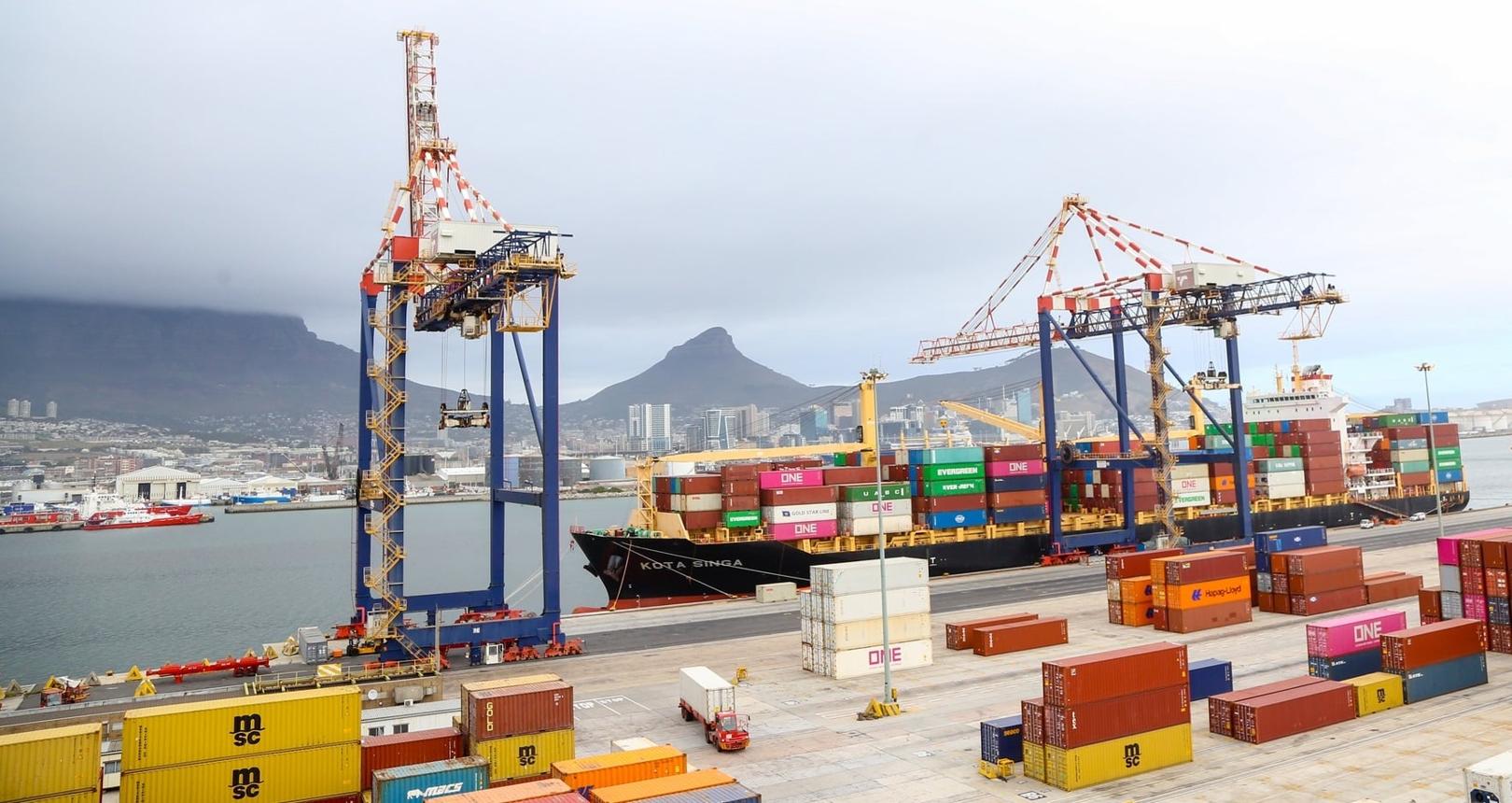
“South Africa’s trade with China has increased following Beijing’s introduction of a temporary zero-tariff scheme for eligible African exports, with South African exports to China rising nearly 25% year-on-year between May and August 2026. Pretoria hopes to turn this improved market access into stronger exports, more domestic manufacturing and additional jobs, while negotiating a longer-term arrangement that could reduce uncertainty after the current scheme expires.”
South Africa’s China Trade Opportunity: Zero Tariffs Raise Hopes for Export Growth, Manufacturing and Jobs
Introduction
South Africa is seeking to strengthen its position in international trade as changing global economic relationships, tariffs and uncertainty in established export markets increase the importance of diversification. One of the most significant recent developments is China’s introduction of a temporary zero-tariff preference scheme for eligible African exports, creating an opportunity for South African businesses to expand sales into one of the world’s largest consumer and industrial markets.
The initiative has attracted renewed attention after South African officials reported a sharp increase in trade activity following its introduction in May 2026. However, the central challenge for Pretoria is to ensure that improved access to China generates lasting economic benefits, including higher export earnings, domestic industrial investment, stronger local supply chains and employment.
China’s zero-tariff scheme creates new opportunities
China introduced its unilateral preference scheme on 1 May 2026, providing duty-free market access for eligible products from African countries. According to South Africa’s Department of Trade, Industry and Competition, the arrangement covers products across the applicable tariff schedule, with 47 tariff lines subject to tariff-rate quotas. The current scheme runs until 30 April 2028.
The initiative could improve the competitiveness of South African exporters by reducing customs duties that would otherwise increase the cost of their products in China. Depending on the product and prevailing market conditions, lower tariffs can give exporters more room to compete on price, improve their margins or invest in expanding production.
Nevertheless, duty-free access is not an automatic guarantee of increased sales. Businesses must still comply with applicable rules of origin, product standards, customs procedures and other market-entry requirements. They must also demonstrate that their products meet Chinese buyers’ expectations regarding quality, reliability, pricing and delivery.
South African Trade, Industry and Competition Minister Parks Tau has urged businesses to move beyond discussions about market access and pursue actual commercial transactions. The government is supporting export promotion through targeted trade fairs, selling missions, buyer engagements and business-to-business connections.
Early figures indicate increased trade activity
The initial figures suggest that South African businesses are making use of the new arrangements. Between 1 June and 31 August 2026, the South African Revenue Service issued 25,975 certificates of origin, while customs declarations increased by 199% year-on-year, according to figures presented by Minister Tau. Certificates of origin help establish whether goods qualify for the relevant preferential treatment.
Reuters separately reported that South African exports to China increased by nearly 25% year-on-year between May and August. Chinese imports from South Africa’s largest trading partner also increased, with imports into South Africa from China rising by approximately 23% over the period, according to comments from Chinese Ambassador Wu Peng.
These figures point to a stronger trading relationship, but they should be interpreted carefully. An increase in customs declarations does not necessarily translate into a proportionate increase in export revenue, profits or permanent employment. Similarly, year-on-year growth alone does not establish how much of the improvement resulted directly from lower tariffs rather than changing prices, demand, exchange rates or other economic factors.
For that reason, businesses and policymakers will need to monitor actual shipment values, export volumes, the range of products being sold and the number of South African companies entering the market.
Agriculture offers a significant export opportunity
Agriculture is among the sectors that could benefit from improved access to China. South African producers already supply international markets with citrus, apples, stone fruit, wine and other agricultural products. Lower tariff costs could make qualifying products more competitive and support efforts to expand sales in Asia.
Business Day reported that South African agricultural exports to China increased by more than 35% year-on-year to nearly US$500 million during the four months following the introduction of the zero-tariff treatment. The publication also highlighted opportunities for citrus, apples, stone fruit and wine exporters.
China’s market offers opportunities for producers seeking to diversify their customer base. Depending on demand, product eligibility and commercial agreements, additional sales could benefit farmers, packhouses, food processors, packaging companies, cold-storage operators and logistics providers.
However, agricultural exporters face challenges beyond tariffs. Fresh produce must meet phytosanitary requirements, quality standards and inspection procedures. Exporters must also manage shipping schedules, temperature-controlled storage, packaging, freight expenses and the risk of products deteriorating during transport.
Expanding exports will therefore require coordination across the agricultural supply chain. Farmers need reliable access to buyers, while exporters must ensure that production volumes, quality and delivery schedules match market requirements.
Small and medium-sized agricultural businesses could benefit from export partnerships, shared logistics facilities and support with certification. These measures could help broaden participation in international trade rather than concentrating the gains among a limited number of large exporters.
Moving beyond raw materials
South Africa’s broader ambition is to increase the value of goods it exports. While minerals and agricultural commodities remain important to its international trade, the government also wants to expand sales of processed and manufactured products.
Minister Tau said the government had developed a portfolio of 100 value-added products intended for the Chinese market. The portfolio includes opportunities in agro-processing, beverages, chemicals and pharmaceuticals, cosmetics, machinery, medical equipment, fabricated metals, plastics, rubber and automotive products.
This approach could support industrial development by encouraging businesses to process more raw materials domestically and produce goods with higher commercial value.
For example, expanding agro-processing could create opportunities for manufacturers of packaged foods, beverages and other agricultural products. In manufacturing, improved access to buyers could encourage investment in machinery, specialised components and industrial inputs, provided South African producers can compete with international suppliers.
Value-added exports can also create employment beyond the production line. A growing export industry may support engineering, maintenance, warehousing, quality assurance, transport, marketing and professional services.
However, these benefits will depend on actual demand and investment. Companies need reliable electricity, efficient ports and railways, access to finance, appropriate technical skills and predictable regulation. Preferential tariffs can improve market access, but they cannot independently resolve domestic production and infrastructure constraints.
The challenge of an uneven trade relationship
Despite the encouraging export figures, South Africa’s trade relationship with China remains uneven. According to figures cited by the Department of Trade, Industry and Competition, bilateral trade reached R642 billion in 2025, compared with R483 billion in 2021. South African exports increased from R198 billion to R222 billion over that period, while imports from China rose from R284 billion to R420 billion.
The figures demonstrate the scale of the commercial relationship, but they also highlight the challenge facing South African policymakers: imports have grown substantially faster than exports over the period presented.
A large trading relationship is not inherently problematic. Imported machinery, electronics, components and other products can support local businesses and provide consumers with greater choice. The concern is whether South Africa can expand its own productive capacity and export earnings sufficiently to sustain employment and strengthen its industrial base.
The zero-tariff scheme may help address this imbalance if South African companies use the opportunity to secure new contracts and increase shipments of competitive goods. However, narrowing the trade gap is not guaranteed, especially if imports continue to grow faster than exports.
A sustainable response would combine export promotion with investment in domestic production, skills development, technology, infrastructure and supplier networks. The objective is not simply to sell more products abroad, but to ensure that more economic activity and value creation take place inside South Africa.
Negotiations seek certainty beyond 2028
The temporary nature of China’s current preference scheme presents another important consideration. Businesses planning new factories, processing facilities or long-term supply agreements need confidence that market access will remain sufficiently predictable to justify their investments.
South Africa and China are negotiating a longer-term arrangement through the Southern African Customs Union, which comprises South Africa, Botswana, Eswatini, Lesotho and Namibia. The proposed Early Harvest Agreement is intended to provide a more durable framework for trade, while incorporating safeguards for domestic industries and employment.
The negotiations follow a framework agreement on economic partnership signed by the two countries in February 2026. Officials have indicated that the wider cooperation agenda includes trade, investment, infrastructure, logistics, small businesses and industrial development.
For exporters, a predictable framework could make it easier to plan production, negotiate supply contracts and invest in capacity. For investors, greater certainty about customs treatment and market access can influence decisions about where to locate manufacturing and processing facilities.
However, the details of any final agreement will matter. Businesses will need clarity about eligible products, rules of origin, implementation dates, customs procedures and the treatment of sensitive domestic industries. Negotiations should not be confused with a completed agreement, and the current temporary arrangement should not be assumed to continue unchanged beyond its stated expiry date.
Geopolitical pressures encourage market diversification
South Africa’s efforts to expand trade with China also reflect wider uncertainty in international economic relations. Reuters reported that Pretoria has been seeking additional export markets amid deteriorating relations with the United States and uncertainty over South Africa’s participation in the African Growth and Opportunity Act, or AGOA. At the time of the report, Minister Tau expected an announcement about South Africa’s position in early November 2026.
This uncertainty reinforces the importance of avoiding excessive dependence on a limited number of export destinations. Diversifying trade can help businesses reduce exposure to sudden tariff changes, shifting political relationships and weaker demand in individual markets.
Nevertheless, diversification should not mean replacing dependence on one major partner with dependence on another. China is already South Africa’s largest trading partner, and expanding commercial ties should form part of a wider strategy that also develops regional African markets, European trade, Asian destinations and other international opportunities.
The African Continental Free Trade Area and regional commercial networks may offer additional opportunities for South African manufacturers and agricultural producers. Stronger regional supply chains could also help businesses build scale before entering more distant markets.
What businesses and policymakers need to do next
The next stage will require practical implementation. Exporters need accessible information about eligible products, rules of origin, documentation and the requirements of Chinese buyers. Government agencies and industry associations can help businesses identify opportunities, arrange buyer meetings and navigate administrative processes.
Infrastructure is equally important. Ports, freight railways, roads, warehouses and cold-chain facilities affect the cost and reliability of shipments. Delays or expensive logistics can erode the competitive advantages created by lower tariffs.
Businesses should also assess whether they have sufficient production capacity to fulfil larger contracts without disrupting existing customers. Export growth is most valuable when it can be sustained through reliable supply, consistent quality and commercially viable margins.
Finally, policymakers should measure the results of the scheme using more than headline trade totals. Relevant indicators include export volumes, the number of businesses entering China, domestic processing levels, new investment, jobs created and the distribution of benefits across provinces and industries.
Conclusion
China’s zero-tariff preference scheme represents a significant opportunity for South African exporters at a time when international trade relationships are changing. Early figures indicate increased trade activity, and sectors including agriculture, agro-processing, chemicals, machinery and manufactured goods may have opportunities to expand their presence in the Chinese market.
Yet the lasting economic impact will depend on whether businesses can turn preferential access into profitable contracts, higher domestic production and sustainable employment. South Africa must also address logistics constraints, develop competitive industries and pursue a longer-term trade framework that gives exporters greater certainty.
The central test is therefore not simply whether bilateral trade continues to grow. It is whether that growth helps South Africa diversify its exports, strengthen domestic manufacturing and create more economic opportunities at home.



