




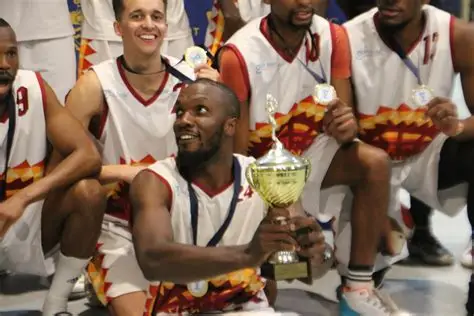
“The Soweto Panthers have electrified the 2026 Basketball National League with an undefeated start, powered by Emmanuel Shine’s dominance inside the paint and Benjamin Myburgh’s perimeter shooting. Their success is inspiring fans nationwide, boosting basketball’s popularity, and positioning the BNL as a transformative force in South African sports.”
Introduction: A Turning Point in South African Basketball
Basketball in South Africa has long lived in the shadows of football and rugby, two sports that dominate the national consciousness. Yet, the 2026 season marks a historic turning point. The Basketball National League (BNL) is experiencing unprecedented popularity, and at the center of this revolution are the Soweto Panthers, who have electrified the nation with their undefeated run. Their success is not just about wins—it represents a cultural and economic transformation of South African sports.
Panthers’ Dominance on the Court
The Panthers’ record-breaking start (3–0) has been powered by Emmanuel Shine, the league’s top scorer at 25 points per game, and Benjamin Myburgh, averaging 22.5 points per game. Shine’s ability to dominate inside the paint and Myburgh’s perimeter shooting have created a dynamic duo that opponents struggle to contain. Their chemistry on the court has become the hallmark of the Panthers’ success, with both players complementing each other’s strengths seamlessly.
Other contenders are not far behind:
- Egoli Magic (2–1), led by Lufuno Mutungutungu (23 PPG).
- Western Cape Mountaineers (2–1), whose victory over Egoli Magic drew record-breaking viewership.
- Tshwane Suns and Durban Marlins (both 2–1), adding depth to the playoff race.
- Limpopo Pride (1–2) and Eastern Cape Warriors (0–4), struggling for consistency.
Strategic Growth of the BNL
The league’s roadmap for 2026 emphasizes:
- Structured calendar: June–September, culminating in playoffs.
- Centralized hosting: Mandeville Indoor Sports Complex ensures consistency.
- Global partnerships: Collaborations with FIBA, BAL, and NBA integrate South African basketball into the global ecosystem.
- Youth engagement: Over 1.78 million supporters drive demand for merchandise, events, and digital content.
This structured approach is positioning the BNL as a sustainable and competitive league, capable of attracting international attention.
Grassroots Development Challenges
Despite elite success, grassroots basketball faces hurdles. At the USSA Winter Games, Rhodes University’s 3v3 squads highlighted the gap between elite and grassroots levels:
- The men’s team, led by Nkululeko Zuma, stunned Pretoria but faltered against Wits and TUT.
- The women’s team, captained by Asekhona Zondi, struggled early but secured a morale-boosting win against North-West University (Vaal).
These results underscore the need for stronger development pathways to ensure sustainability of basketball’s growth.
Cultural and Economic Impact
Basketball’s rise is reshaping South Africa’s sports ecosystem:
- Youth culture: Driving demand for digital content and merchandise.
- Economic growth: Boosting ticket sales, sponsorships, and local business activity around games.
- National identity: Offering an alternative to football and rugby, diversifying South Africa’s sporting culture.
Conclusion
The Soweto Panthers’ undefeated run is more than a sporting achievement—it is a symbol of basketball’s growing influence in South Africa. With star players like Shine and Myburgh leading the charge, the BNL is poised to become a cornerstone of the nation’s sports landscape. The challenge now lies in bridging the gap between elite and grassroots basketball, ensuring that the sport’s rise is sustainable and inclusive.



