




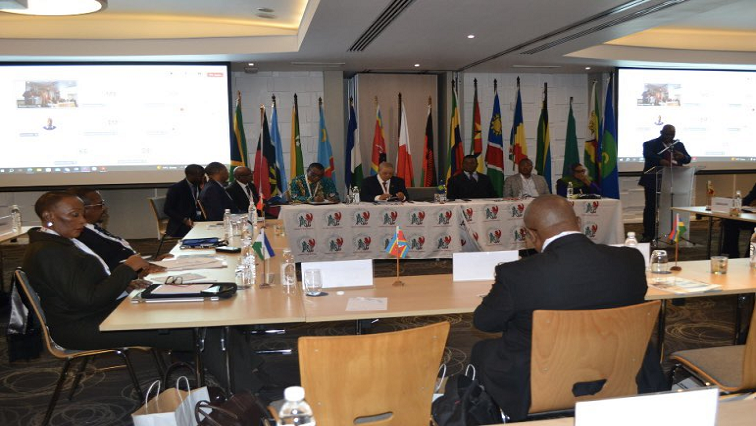
“The South African Treasury has withheld R13.5 billion in transfers to 69 municipalities, including Johannesburg, Nelson Mandela Bay, and Mangaung, to enforce compliance with financial management laws. While officials insist service delivery will not be affected, critics argue the decision exposes deep structural weaknesses in local governance.”
South Africa’s National Treasury has taken a bold and controversial step by freezing R13.5 billion in transfers to 69 municipalities across the country. The move, announced on 9 July 2026, is framed as an effort to instil fiscal discipline and enforce compliance with the Municipal Finance Management Act (MFMA). However, the decision has ignited fierce debate about its implications for governance, service delivery, and the broader political landscape.
Background
Municipal finances in South Africa have long been plagued by mismanagement, corruption, and ballooning debt. According to the South African Local Government Association (SALGA), consumer debt owed to municipalities has reached R480 billion as of March 2026. Much of this debt stems from unpaid bills by government entities and households, creating a vicious cycle of financial instability.
Treasury officials argue that withholding funds is necessary to break this cycle. They insist that municipalities must demonstrate compliance with financial regulations before receiving transfers. The policy is intended to incentivize accountability and prevent further erosion of public trust in local government.
Municipalities Affected
Among the 69 municipalities impacted are some of South Africa’s largest and most politically significant urban centres:
- Johannesburg – the country’s economic hub.
- Nelson Mandela Bay – a key metro in the Eastern Cape.
- Buffalo City – another Eastern Cape municipality.
- Mangaung – the Free State’s capital.
These municipalities already face challenges in delivering basic services such as water, electricity, and sanitation. The Treasury’s decision raises concerns about whether service delivery will deteriorate further.
Treasury’s Position
Treasury officials have defended the move, stating unequivocally that service delivery will not be compromised. They argue that municipalities must learn to operate within the constraints of fiscal discipline and that compliance with the MFMA is non-negotiable. The withholding of funds is portrayed as a corrective measure rather than a punitive one.
Criticism and Concerns
Critics, however, are sceptical. Civil society groups and opposition parties warn that the decision could exacerbate existing inequalities, particularly in poorer municipalities that rely heavily on national transfers. In regions like the Eastern Cape, where service delivery is already inconsistent, residents fear that the freeze will translate into delayed infrastructure projects, unpaid municipal workers, and worsening living conditions.
Moreover, the timing of the decision—just months before the 2026 Local Government Elections—has raised suspicions of political manoeuvring. Some analysts suggest that the Treasury is attempting to signal toughness on corruption and mismanagement to bolster the ruling party’s credibility.
Broader Policy Context
The freeze on municipal transfers is part of a wider push by the government to enforce fiscal discipline across all levels of administration. Treasury has also begun withholding transfers to provincial and national departments that fail to pay their bills. This signals a systemic approach to tackling financial mismanagement, not just at the municipal level.
Political Implications
The decision intersects with broader political debates about governance and accountability. The ruling African National Congress (ANC) has faced mounting pressure to demonstrate its commitment to reform. In recent weeks, ANC leaders have emphasized the need for continental cooperation on migration and economic stability, but domestic governance failures remain a pressing concern.
The freeze may serve as a litmus test for the ANC’s ability to balance fiscal responsibility with social equity. If service delivery collapses in affected municipalities, the ruling party could face backlash at the polls.
Economic Impact
From an economic perspective, the freeze is both a risk and an opportunity. On one hand, it could destabilize local economies by cutting off critical funding streams. On the other, it may force municipalities to adopt more sustainable financial practices, reducing long-term debt burdens. The policy’s success will depend on whether municipalities can adapt quickly without compromising essential services.
Conclusion
The Treasury’s decision to withhold R13.5 billion in municipal transfers marks a watershed moment in South Africa’s governance landscape. It underscores the urgent need for fiscal discipline but also exposes the fragility of local government structures. As the country heads toward the 2026 elections, the policy will be closely scrutinized—not only for its immediate impact on service delivery but also for its broader implications for political accountability and economic stability.



