




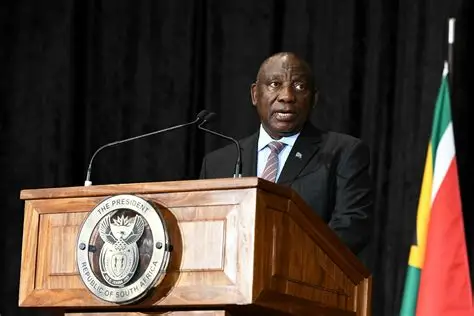
“The National Treasury’s decision to freeze R13.5 billion in municipal grants has exposed systemic governance failures across South Africa’s local government sphere. Experts warn that without urgent reforms in financial management and technical capacity, municipalities risk further infrastructure collapse and service delivery breakdowns.”
On 9 July 2026, South Africa’s governance landscape was shaken by the National Treasury’s announcement that it had withheld R13.5 billion in equitable share grants from 69 municipalities across all nine provinces. This corrective intervention, aimed at enforcing compliance with the Municipal Finance Management Act (MFMA), underscores the depth of South Africa’s municipal governance crisis.
Scope of the Freeze
- Affected municipalities: Major metros such as Johannesburg, Nelson Mandela Bay, Buffalo City, and Mangaung.
- Reason for freeze: Persistent non-compliance with MFMA requirements, including failure to adopt funded budgets, pay creditors, investigate irregular spending, and discipline errant officials.
- Treasury’s stance: The freeze is corrective, not punitive, with assurances that basic services will not be disrupted.
Governance Failures
The crisis reflects longstanding governance weaknesses:
- Irregular expenditure: Municipalities have failed to curb unauthorized, fruitless, and wasteful spending.
- Weak oversight: Municipal-owned entities like Johannesburg Water and City Power operate in budget vacuums, diverting revenue away from maintenance.
- Infrastructure decay: Experts note that municipalities allocate only 0.5–1% of asset value to maintenance, far below the recommended 8%.
Expert Perspectives
- Wynand Dreyer (SAICA): The crisis is fundamentally about governance and technical capacity. Municipalities lack professional engineering oversight, yet constitutional autonomy grants them control over water, sanitation, and electricity distribution.
- SALGA reports: Consumer debt owed to municipalities has ballooned to R480 billion by March 2026, with government entities among the biggest defaulters.
Parliamentary Oversight
The Parliamentary Governance Cluster has scheduled briefings to address accountability and transparency. Key issues include:
- National audit outcomes for 2024/25.
- Oversight of municipal financial challenges.
- Professionalization of the public sector and ethical governance.
Implications for Service Delivery
While Treasury insists that services will continue, communities in provinces like the Eastern Cape remain skeptical. Chronic water shortages, electricity outages, and sanitation failures highlight the fragility of municipal systems.
Corrective Measures
To restore funding, municipalities must:
- Implement a 30% reduction in UIFW expenditure by 30 September 2026.
- Strengthen internal controls and financial discipline.
- Improve technical capacity in engineering and infrastructure management.
Broader Governance Context
This freeze is part of a wider Treasury initiative to enforce fiscal discipline across government. Transfers to provincial and national departments that fail to pay creditors are also being withheld. The move signals a shift toward stricter accountability in South Africa’s governance framework.
Conclusion
The R13.5 billion freeze is a watershed moment in South Africa’s governance under politics. It exposes the fragility of municipal systems, the urgency of professionalizing local government, and the need for stronger oversight. Unless municipalities act decisively, the crisis risks deepening, with dire consequences for service delivery and public trust.



