




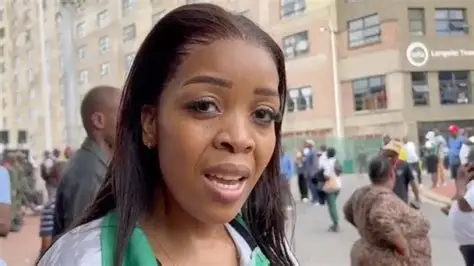
“South Africa witnessed a wave of anti-migrant protests this week, with over 900 arrests nationwide as tensions flared between demonstrators and authorities. Activists, led by Jacinta Ngobese-Zuma, argue that undocumented migration strains public services, while human rights groups warn of rising xenophobia and scapegoating.”
On July 9, 2026, South Africa’s streets became the stage for one of the most significant activist-driven political confrontations in recent years. Organized by a coalition of civil society groups under the March and March movement, the protests demanded stricter border controls and immediate government action on undocumented migration. While many marches remained peaceful, outbreaks of violence, looting, and clashes with police underscored the volatility of the issue.
Scale of the Protests
- 25 marches confirmed by Jacinta Ngobese-Zuma, spanning major cities including Johannesburg, Durban, and Cape Town.
- Over 120 demonstrations nationwide, with 108 peaceful and 12 requiring police intervention.
- Arrests totaled 900+, with 215 in Western Cape and 208 in Eastern Cape, reflecting the widespread nature of the unrest.
Activist Leadership
Jacinta Ngobese-Zuma, a prominent activist, has emerged as the face of the movement. Addressing crowds in Durban, she declared that protests would continue every Thursday until stricter border enforcement is enacted. Her rhetoric, including chants of “Abahambe!” (“They must go!”), resonated with frustrated citizens but also drew criticism for inflaming xenophobic sentiment.
Government Response
President Cyril Ramaphosa convened an emergency meeting with protest organizers, acknowledging grievances about illegal immigration, border management, and strained public services. However, he warned against vigilantism, stating: “Taking the law into one’s own hands has no place in our constitutional democracy.”
Human Rights Perspective
Groups such as Amnesty International South Africa condemned the protests, arguing migrants are scapegoated for deeper socioeconomic failures. They highlighted:
- High unemployment (above 30%).
- Backlogged asylum system, leaving thousands in limbo.
- Service delivery failures in housing, healthcare, and education.
Violence and Security Concerns
- In Johannesburg’s Alexandra township, one person was shot dead during looting of foreign-owned shops.
- Soldiers were deployed in Hillbrow, where two people, including a teenager, were injured in shootings.
- In Durban, thousands marched peacefully, but tensions remained high.
Broader Context of Activism
This wave of activism reflects a broader trend in South Africa, where citizens mobilize against perceived governance failures. Recent protests have targeted:
- Corruption scandals (e.g., SITA irregular expenditure protests).
- Service delivery failures in municipalities.
- Gender-based violence and climate justice movements.
Political Reactions
- The Democratic Alliance (DA) called for parliamentary debate on immigration reform.
- The Economic Freedom Fighters (EFF) accused the ANC of failing to protect South Africans economically, while warning against xenophobic violence.
- Civil society groups demanded transparent immigration policy reforms and better asylum processing systems.
Implications for Governance
The protests highlight a governance dilemma: balancing legitimate concerns about border control with constitutional protections for migrants. Failure to address these tensions risks:
- Escalating xenophobic violence.
- Erosion of public trust in government institutions.
- International condemnation from human rights bodies.
Conclusion
South Africa’s anti-migrant protests mark a turning point in activism under politics. While activists like Jacinta Ngobese-Zuma amplify public frustrations, the government faces the challenge of crafting policies that address immigration concerns without fueling xenophobia. The coming weeks will test whether South Africa can uphold democratic values while navigating one of its most divisive issues.



