




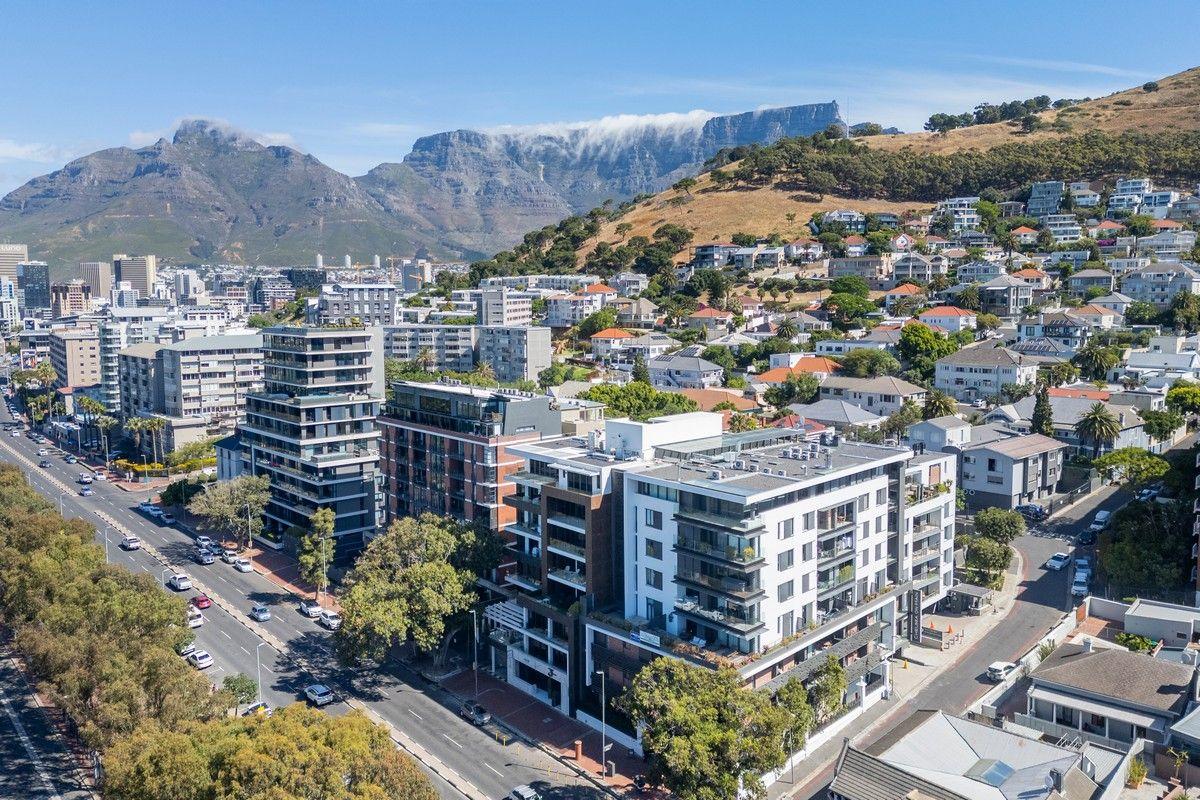
“South Africa’s rental property market continues to show significant regional differences, with the Western Cape recording substantially higher average rental prices than Gauteng, driven by strong demand, property values and limited housing availability. PayProp’s second-quarter 2026 figures show Western Cape average monthly rent reaching R12,561, while Gauteng offers comparatively more affordable rental accommodation and potentially stronger gross rental yields for investors.”
Western Cape Rental Market Outpaces Gauteng as Regional Property Affordability Gap Widens in South Africa
South Africa’s residential rental market continues to reflect significant differences between provinces, with the Western Cape strengthening its position as the country’s most expensive rental destination while Gauteng remains an attractive alternative for tenants seeking more affordable accommodation and investors looking for competitive rental returns.
The latest property market analysis published by Daily Investor on 26 November 2026 highlights the widening differences between the Western Cape and Gauteng. Although the report primarily examines residential property prices, its rental market findings provide important insight into the changing dynamics of South African residential property investment, tenant affordability and housing demand.
The figures demonstrate that rental prices are increasingly influenced by regional economic conditions, property availability, household affordability and the attractiveness of individual locations.
According to PayProp’s second-quarter 2026 Rental Index, the Western Cape recorded an average monthly rental of R12,561. This represented annual growth of 9.7%, equivalent to an increase of R1,107 compared with the corresponding period in 2025.
Nationally, average monthly rent reached R9,715 during the second quarter, representing annual growth of 5.2%. Consequently, the Western Cape continued to command a substantial premium over the national average.
These developments matter because residential rental accommodation remains an important part of South Africa’s housing system. For households unable to purchase property, renting provides access to accommodation without requiring a mortgage deposit or long-term property ownership commitment. For landlords and investors, rental income offers an opportunity to generate recurring returns from residential assets.
Western Cape maintains its position as South Africa’s most expensive rental market
The Western Cape continues to attract considerable attention from property investors, professionals, families and individuals relocating from other parts of the country.
Cape Town, in particular, has established itself as a major residential and economic destination. Its employment opportunities, tourism industry, lifestyle attractions, infrastructure and business environment contribute to demand for residential accommodation.
However, strong demand also creates affordability challenges.
With average monthly rent reaching R12,561 in the second quarter of 2026, the province remained considerably more expensive than several competing rental markets.
The increase illustrates how landlords in areas experiencing sustained demand can achieve higher rental income. Nevertheless, higher asking prices do not automatically guarantee that every property will attract a suitable tenant.
Property location, security, building maintenance, access to transport, available amenities and the quality of accommodation remain important considerations when determining achievable rentals.
Furthermore, tenants increasingly need to consider the total cost of occupying a property. Monthly rent is only one component of household expenditure, alongside electricity, water, transport, groceries and other essential expenses.
For this reason, landlords must balance rental expectations against what prospective tenants can realistically afford.
Gauteng offers a different investment opportunity
While the Western Cape leads in average rental prices, Gauteng continues to provide an important alternative for residential tenants and property investors.
Earlier PayProp figures for the first quarter of 2026 placed Gauteng’s average monthly rent at approximately R9,600, compared with R12,125 in the Western Cape.
This difference demonstrates the comparatively affordable nature of many Gauteng rental markets.
Johannesburg, Pretoria, Centurion, Midrand and other established residential areas offer a broad range of apartments, townhouses and family homes.
The province also benefits from its concentration of commercial activity, financial institutions, educational facilities, logistics operations and employment opportunities.
These economic factors support demand for rental accommodation, particularly among professionals, students, young households and people relocating for employment.
For investors, Gauteng’s relatively lower property acquisition prices can create opportunities to achieve attractive rental yields.
Daily Investor’s analysis indicates that a larger proportion of Gauteng residential properties can potentially achieve gross rental yields of approximately 8% or higher than comparable Cape Town properties.
However, gross rental yield should not be confused with actual investment profit.
Investors must account for maintenance, insurance, municipal rates, levies, property management fees, taxes, vacancies and other operational expenses before determining their net returns.
Rising rental costs create affordability concerns for tenants
Although increasing rental income can benefit property owners, rising accommodation costs create additional pressure for South African households.
Tenants must manage housing expenses alongside food, transportation, electricity, education and healthcare costs.
In expensive residential markets, households may respond to increasing rents by moving into smaller apartments, sharing accommodation, relocating to neighbouring suburbs or choosing properties further away from employment centres.
These decisions can affect residential demand across different locations.
For example, a household unable to afford an apartment in central Cape Town might consider surrounding areas where monthly rental costs are comparatively lower.
However, cheaper accommodation may involve additional transport expenses and longer commuting times.
Therefore, the affordability of a rental property should be assessed by considering the overall cost of living in a particular neighbourhood rather than rental prices alone.
Landlords also need to understand these pressures when determining renewal increases and marketing vacant properties.
An unrealistic rental asking price can increase vacancy periods, reduce investment income and create additional marketing expenses.
Strong rental growth does not eliminate tenant payment risks
Another important consideration is the relationship between rental growth and tenant payment performance.
PayProp’s second-quarter 2026 Rental Index recorded 16.9% of tenants in arrears nationally, compared with 16.7% during the first quarter.
Although this figure remains relatively close to historical lows, it demonstrates that payment difficulties continue to affect the rental sector.
The Western Cape recorded a particularly favourable arrears proportion of 12.3%, despite its higher rental prices.
This suggests that the province’s rental market is supported by comparatively strong payment performance, although individual landlords can still experience non-payment and disputes.
Property owners should therefore conduct appropriate affordability assessments before approving applications.
These assessments can include income verification, employment confirmation, credit checks conducted lawfully, references and an assessment of existing financial commitments.
Professional property management is also important because it helps landlords monitor payments, maintain accurate records and identify potential financial problems early.
Rental property management becomes increasingly important
The growing differences between South Africa’s provincial rental markets demonstrate why effective property management is essential.
Landlords cannot rely exclusively on general market averages when determining the appropriate rental price for an individual property.
Instead, they should consider comparable properties within the same neighbourhood, the condition of the building, available amenities and current tenant demand.
Regular property inspections, preventative maintenance and transparent communication can also help protect long-term rental income.
In addition, landlords should ensure that lease agreements clearly explain rental payment arrangements, deposits, maintenance responsibilities, inspection procedures and the conditions governing lease cancellation.
Tenants also have responsibilities, including paying rent as agreed, maintaining the property reasonably and reporting maintenance problems through the appropriate channels.
When disagreements arise, both parties should consider available legal dispute-resolution procedures rather than taking unilateral action.
The Rental Housing Tribunal provides a statutory mechanism for addressing qualifying unfair rental practices and disputes.
Housing supply will influence future rental prices
Another important factor shaping the rental market is the availability of suitable residential accommodation.
Where demand grows faster than the supply of completed housing, rental prices can face upward pressure.
This is particularly important in areas experiencing population growth, employment opportunities and continued migration.
New residential developments can help improve supply, but construction costs, land availability, infrastructure constraints, financing conditions and municipal approval processes can delay housing delivery.
The development of apartments and townhouses can also provide opportunities to accommodate more households within established urban areas.
However, successful development requires appropriate infrastructure, reliable services, transport access and facilities that support residents’ daily needs.
For investors, understanding future housing supply is essential when evaluating locations for residential rental investments.
A neighbourhood experiencing strong rental demand today may face greater competition if substantial new accommodation enters the market.
Outlook for South Africa’s rental property market
South Africa’s residential rental market is likely to remain influenced by affordability, economic growth, employment opportunities, household income and regional differences in housing supply.
The Western Cape’s strong rental performance demonstrates the financial opportunities associated with high-demand residential locations.
Nevertheless, higher rental prices can also limit the number of households capable of entering particular markets.
Gauteng, meanwhile, offers a different combination of affordability, economic activity and potential investment returns.
For landlords, the most sustainable strategy involves setting competitive rental prices, selecting financially suitable tenants, maintaining properties and managing operating expenses.
For tenants, comparing neighbourhoods, understanding lease agreements and assessing total housing expenses remain essential when choosing accommodation.
For investors, the distinction between gross rental yield and net investment returns should remain central to property purchasing decisions.
Ultimately, the latest figures show that South Africa does not have one uniform rental market. Instead, it has multiple regional markets with different price levels, demand conditions and investment opportunities.
The ability to understand these differences will be increasingly important for landlords, tenants, property managers and residential property investors as the sector develops through 2027.



