




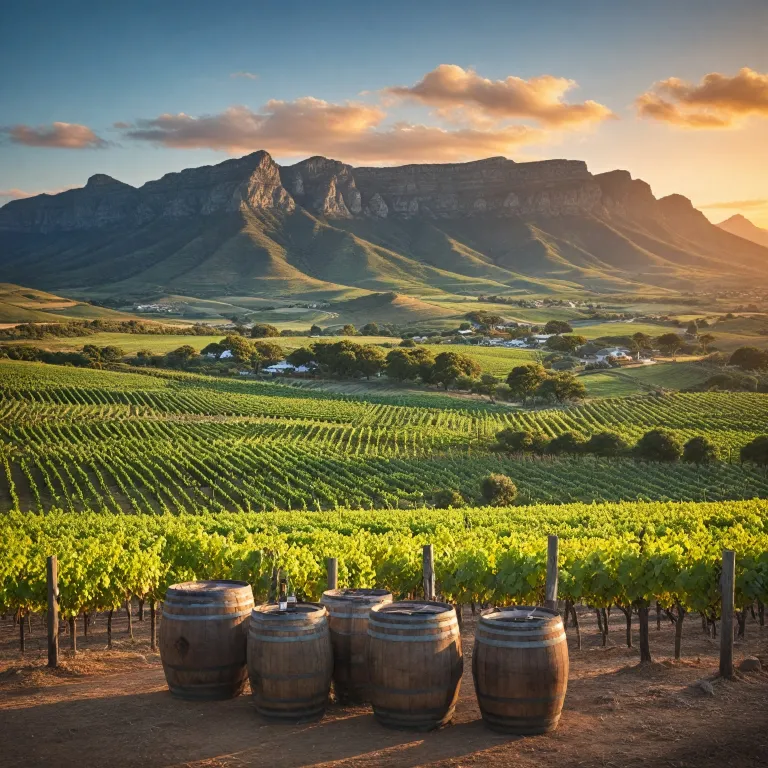
“Despite tighter household budgets, South Africans are embracing luxury closer to home, prioritizing wellness, space, and genuine hospitality over costly international itineraries. The Cape Winelands exemplifies this shift, offering restorative escapes that combine food, wine, nature, and leisure within easy reach of major cities.”
Luxury travel in South Africa is undergoing a profound transformation. Once synonymous with exclusivity, opulence, and international jet‑setting, luxury is now being redefined by domestic travelers who value time, space, and restorative experiences. This shift reflects broader global trends in wellness tourism but is uniquely shaped by South Africa’s economic realities and rich local offerings.
Domestic Travel Surge
According to the Department of Tourism, 21.2 million overnight domestic trips were taken in the first half of 2026, marking a 4% increase compared to last year. Holiday travel surged even more dramatically, rising 36% to 5.2 million trips, despite an overall decline in tourism spend. These figures highlight a paradox: South Africans are traveling more, but they are spending differently.
Redefining Luxury
Traditionally, luxury meant five‑star hotels, international flights, and elaborate itineraries. Today, however, South Africans are finding luxury in:
- Space and privacy — boutique lodges and countryside retreats.
- Hospitality and authenticity — genuine service over flashy amenities.
- Wellness and restoration — spa treatments, yoga retreats, and slow travel.
- Freedom to disconnect — fewer packed schedules, more time to breathe.
Murray Nell, general manager of Le Franschhoek Hotel & Spa, emphasizes that “value in hospitality is not simply about finding the lowest rate. It is about how much of the experience is brought together for the guest — the setting, the space, genuine hospitality, good food, and the freedom to slow down.”
The Cape Winelands as a Case Study
The Cape Winelands region has become the poster child for this new definition of luxury. Within easy reach of Cape Town and Johannesburg, it offers:
- World‑class wine estates with immersive tastings.
- Farm‑to‑table dining experiences.
- Wellness retreats combining spa therapies with vineyard views.
- Outdoor leisure such as hiking, cycling, and horseback riding.
Unlike traditional wine tourism, the region now attracts visitors seeking holistic escapes — blending gastronomy, nature, and wellness.
Global Wellness Tourism Context
The Global Wellness Institute reported 1.239 billion wellness trips globally in 2024, accounting for 17.6% of global tourism expenditure. South Africa is tapping into this trend by offering accessible wellness experiences without requiring international travel.
Government Support
Tourism Minister Patricia de Lille has urged the industry to create competitive, accessible luxury experiences for domestic travelers. This aligns with broader policy goals of boosting local tourism while maintaining affordability.
Challenges and Opportunities
- Economic pressures: Household budgets remain tight, limiting spending power.
- Accessibility gaps: Luxury experiences must balance exclusivity with affordability.
- Sustainability: Eco‑friendly lodges and low‑impact tourism are increasingly demanded.
- Technology integration: Digital booking platforms and virtual previews enhance accessibility.
Conclusion
Luxury travel in South Africa is no longer about extravagance abroad. It is about intentional choices at home — savoring wine in the Cape Winelands, enjoying genuine hospitality, and embracing wellness. This redefinition of luxury reflects both economic necessity and cultural evolution, positioning South Africa as a leader in accessible, restorative travel.



