




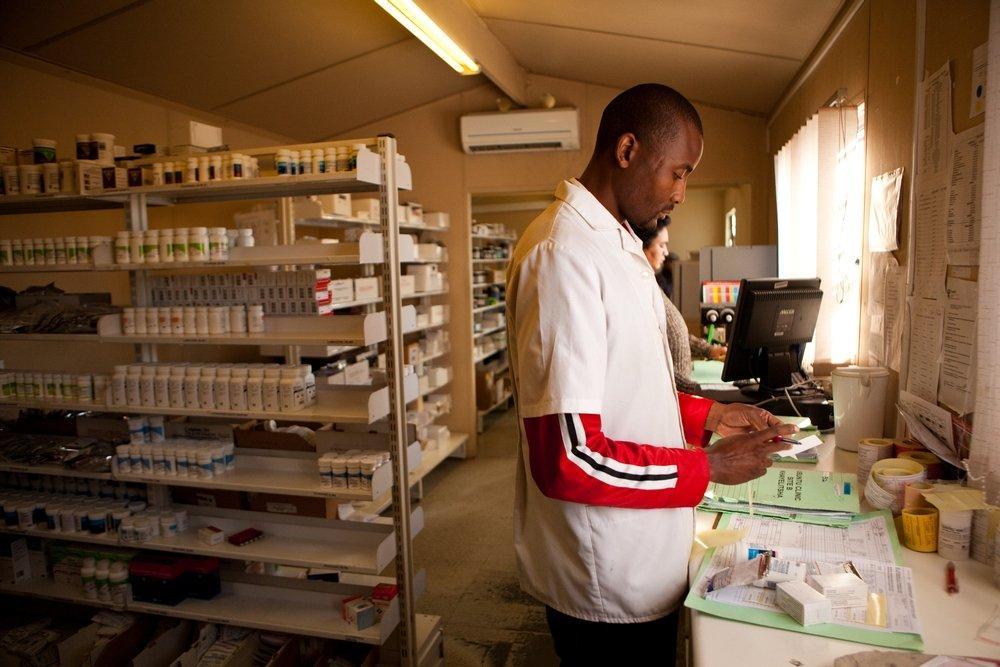
“South Africa’s National Department of Health has confirmed that it is engaging suppliers and seeking alternative medicines to address shortages affecting essential treatments, with supply problems attributed to international disruptions and some local manufacturers’ regulatory compliance issues. The shortages have raised concerns about patients with chronic illnesses, the safety of switching treatments and the need for Parliament to investigate the availability of up to 50 medicines identified by the Democratic Alliance.”
South Africa Faces Growing Medicine Shortages as Health Authorities Seek Alternative Treatments
South Africa is facing renewed concerns over the availability of essential medicines after the National Department of Health confirmed on 28 October 2026 that it is engaging suppliers and procuring alternative treatments to minimise the impact of medicine shortages. The situation has drawn attention to the vulnerability of the country’s pharmaceutical supply chain, the importance of reliable access to treatment and the potential risks patients face when their usual medicines are unavailable.
The developments were reported by IOL, which said the national department had acknowledged supply challenges linked to geopolitical tensions in the Middle East and, in some cases, local manufacturers’ non-compliance with requirements set by the South African Health Products Regulatory Authority (SAHPRA). The department said it was working with suppliers and other stakeholders to restore normal supply levels.
The shortage is particularly concerning because several of the medicines identified in the public debate are used to manage common and potentially serious health conditions. These include high blood pressure, diabetes, elevated cholesterol, mental health conditions and nerve pain. For patients who depend on regular treatment, even a temporary interruption can create uncertainty and complicate the management of their conditions.
Essential medicines under pressure
The Democratic Alliance (DA) has raised concerns about shortages affecting as many as 50 critical medicines. Its health spokesperson, Michele Clarke, has called for Parliament’s Health Committee to hold a special meeting to examine the extent of the problem, investigate its causes and assess the government’s response.
The six medicines highlighted in the report include amlodipine, rosuvastatin, metformin, olanzapine, pregabalin and mebendazole. They serve different clinical purposes, illustrating how medicine shortages can affect patients across several areas of healthcare rather than one specific disease category.
Amlodipine is commonly prescribed to manage high blood pressure and angina. Rosuvastatin helps lower cholesterol and reduce cardiovascular risk, while metformin is widely used in treating type 2 diabetes. Olanzapine is prescribed for certain mental health conditions, including schizophrenia and bipolar disorder. Pregabalin has several clinical uses, including nerve pain and some seizure disorders, while mebendazole treats certain intestinal worm infections.
These medicines are not interchangeable with one another, and alternatives must be selected according to the patient’s condition and clinical needs. Their inclusion in the political debate also does not establish that every listed medicine is unavailable in every province or healthcare facility.
Importantly, the figure of up to 50 medicines is the DA’s reported estimate. The information published on 28 October did not establish that the national department had released a comprehensive official list confirming the precise medicines affected, the scale of each shortage or the expected dates for restoring supplies.
This distinction matters to patients and healthcare professionals. Accurate, regularly updated information would help facilities identify shortages, arrange suitable alternatives and communicate clearly with people who rely on continued treatment.
Department seeks alternative medicines
The National Department of Health has said that it is actively engaging suppliers and sourcing alternative medicines to reduce the effects of supply constraints. Department spokesperson Foster Mohale told IOL that patients might temporarily receive clinically appropriate alternatives for the same conditions while supply problems persist.
Such measures can help prevent treatment interruptions when the original product cannot be obtained. However, selecting an alternative is a clinical decision, not simply a matter of replacing one packet with another. Medicines prescribed for the same condition can differ in their active ingredients, dosage, interactions, side effects and suitability for individual patients.
Healthcare professionals therefore need reliable information about the available products and the patient’s medical history before making a change. Patients should be told the name of the replacement medicine, how to take it, whether the dose has changed and what warning signs require medical attention.
Clear communication is particularly important for older people, patients managing several chronic conditions and individuals who may have difficulty distinguishing medicines that look different from their usual prescriptions.
The department’s response indicates that efforts to restore supplies are continuing. Nevertheless, the information available on the publication date did not provide a complete timetable for resolving every shortage or a comprehensive breakdown of which facilities had received replacement products.
Concerns about patient safety
The possibility of switching treatments has become one of the central concerns surrounding the shortage. Clarke warned that patients might experience adverse reactions to replacement medicines or become confused and stop taking their treatment altogether.
That concern highlights the relationship between medicine availability and patient safety. A supply disruption does not automatically mean an alternative treatment will be unsafe; appropriate alternatives can often be used under professional supervision. The risk increases, however, when patients change medicines without advice, misunderstand new instructions or cannot obtain consistent information from their healthcare providers.
For people with high blood pressure or diabetes, maintaining a suitable treatment plan is important for long-term disease management. Likewise, patients receiving medicines for mental health conditions may need careful monitoring when treatment changes are clinically necessary.
Pharmacists and nurses can play an important role by explaining substitutions, checking prescriptions and directing patients to the appropriate clinician when a proposed change requires further assessment.
Patients should not independently reduce doses, stop treatment or substitute medicines purchased elsewhere. If a prescribed product is unavailable, they should contact the clinic or dispensing pharmacist and ask what safe, authorised options are available. Anyone experiencing concerning symptoms after a medication change should seek prompt medical advice.
Supply-chain problems extend beyond individual facilities
Medicine shortages can result from several overlapping problems. Pharmaceutical production depends on reliable access to active ingredients, manufacturing capacity, quality-control systems, transport networks, import procedures and effective procurement arrangements.
The national department’s explanation points to international geopolitical pressures and regulatory compliance challenges affecting some local manufacturers. These factors may have different consequences: international disruption can affect the movement or cost of supplies, while regulatory non-compliance can prevent particular products from being manufactured or supplied until the relevant requirements are met.
South Africa’s medicine supply challenges also need to be considered alongside broader efforts to strengthen local pharmaceutical production. On 7 October, the government news service SAnews reported on the launch of the Council for Scientific and Industrial Research’s FuturePHARMA facility in Tshwane. The initiative is intended to strengthen the capabilities needed to move pharmaceutical discoveries from research into product development, clinical testing and manufacturing.
At the launch, CSIR representatives highlighted South Africa’s dependence on imported active pharmaceutical ingredients, reporting that approximately 98% of those used in locally manufactured medicines were imported. The initiative aims to help address gaps in pharmaceutical development and build domestic manufacturing capacity.
SAnews
The FuturePHARMA initiative is not an immediate solution to the current shortages. Developing new production capacity requires investment, expertise, quality assurance and regulatory approval. However, stronger domestic capabilities could help reduce some vulnerabilities over time, particularly if accompanied by reliable procurement, sustainable financing and diversified sources of supply.
Provincial reports raise further concerns
Reports from provincial health authorities suggest that the problem is not confined to a single location. The Western Cape government stated on 19 October that medicine supply constraints were a countrywide challenge requiring a coordinated national response. The province described ongoing efforts to monitor stock levels, work with suppliers and redistribute available medicines where necessary.
In North West, patients and community representatives reported difficulties obtaining medication at Madidi Clinic near Brits. The provincial health department acknowledged intermittent shortages at some facilities and cited factors including manufacturing disruptions, raw-material constraints, transport delays and procurement challenges.
These reports illustrate how a national supply problem can affect people differently depending on the medicine they need, the facility they attend and the availability of alternatives. A shortage at one clinic does not necessarily mean that every facility in a province has run out of the same product. Equally, the existence of stock at a central depot does not guarantee that it will reach every patient promptly.
Provincial departments, central medical depots, suppliers and national authorities therefore need dependable information about stock levels and expected deliveries. Sharing this information can support redistribution, earlier intervention and better communication with patients.
The reports also reinforce the importance of distinguishing confirmed shortages from broader estimates. A national assessment should identify affected medicines, geographic distribution, the number of facilities experiencing stock-outs and the expected duration of supply constraints.
Parliament’s role in accountability
The DA has asked Parliament’s Health Committee to convene a special meeting involving Health Minister Aaron Motsoaledi, the National Department of Health, SAHPRA, Pharmaceuticals Made in South Africa (Pharmisa) and the Pharmaceutical Society of South Africa.
The proposed meeting would provide an opportunity to examine the reported shortages, clarify the causes and establish what measures are being taken to protect patients. However, the reporting available on 28 October did not confirm that the requested meeting had been scheduled.
A parliamentary review could help establish whether existing procurement and monitoring systems are identifying shortages early enough. It could also examine how regulatory issues are being resolved, whether alternative suppliers can meet demand and how authorities communicate with healthcare facilities when products become unavailable.
Accountability should be accompanied by practical measures. Patients need timely information, healthcare professionals need clear guidance on approved alternatives, and suppliers need predictable processes that maintain quality without unnecessary delays.
SAHPRA’s role is particularly important because medicine availability cannot come at the expense of safety, quality or therapeutic effectiveness. Any measures to accelerate supply must preserve the regulatory safeguards designed to protect patients.
What patients should do during shortages
Until supplies improve, patients who depend on regular medication should continue following their prescribed treatment plan unless a qualified healthcare professional advises otherwise.
If a clinic or pharmacy cannot supply a prescribed medicine, patients should ask when it is expected to become available and whether an appropriate alternative can be provided. They should also confirm any changes in dosage or instructions before taking a replacement.
Patients should avoid buying medicines from unverified sellers, sharing prescriptions or using products obtained without appropriate professional guidance. These precautions are especially important when the medicine is intended for a chronic condition or requires careful monitoring.
Healthcare facilities can support patients by communicating stock problems early, explaining substitutions in plain language and arranging follow-up where necessary. Clear written instructions can reduce confusion, particularly when packaging or tablet appearance changes.
Outlook for South Africa’s medicine supply
South Africa’s medicine shortages underline the importance of a resilient pharmaceutical system capable of responding to international disruptions, manufacturing difficulties and changing healthcare demand.
The immediate priority is to ensure that patients can obtain essential treatments or clinically appropriate alternatives without avoidable interruptions. This requires coordinated action by national and provincial authorities, manufacturers, suppliers, pharmacists and healthcare professionals.
In the longer term, improving supply-chain visibility, diversifying suppliers, strengthening local pharmaceutical manufacturing and maintaining effective regulatory oversight could reduce the country’s exposure to future shortages. Initiatives such as FuturePHARMA indicate that developing domestic capabilities is part of the broader conversation, although their benefits will depend on implementation and sustained investment.
The latest reports do not establish when all affected medicines will return to normal supply. Nor do they confirm that every medicine named in the political debate is unavailable nationwide. Those questions require further official information and continued monitoring.
For patients, the message is straightforward: do not stop or change prescribed treatment independently, and seek advice from a pharmacist, nurse or doctor if a medicine is unavailable. For government, the challenge is to turn ongoing supplier engagement into reliable access, transparent reporting and a stronger system that protects patients when supply chains come under pressure.



