




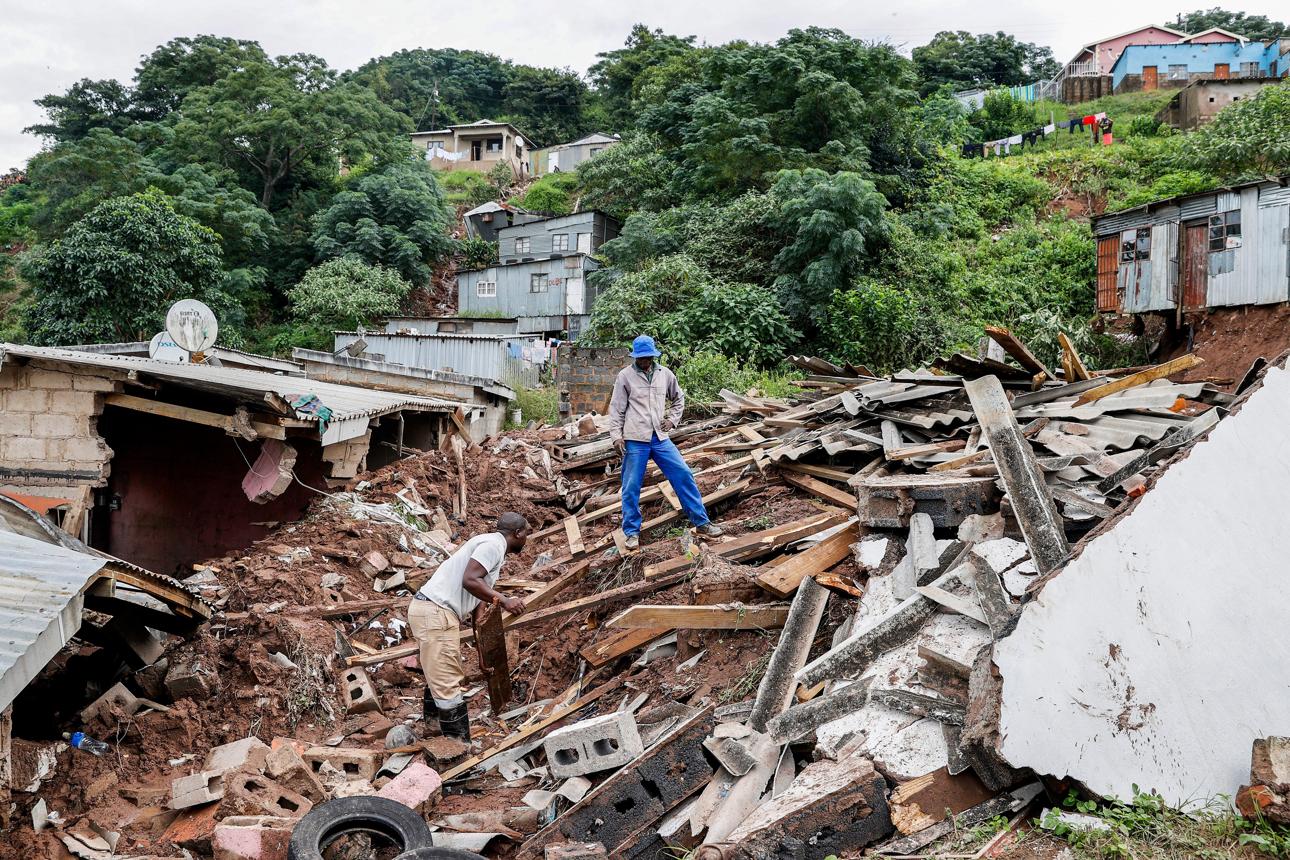
”Research published in South Africa on 28 October 2026 reports that flooding is associated with increased anxiety, depression and symptoms of post-traumatic stress among affected people across four African countries, with the estimated contribution of floods to mental-health problems higher in the South African study population. The findings underline the need for disaster-response programmes to address psychological recovery alongside emergency shelter, food, clean water, healthcare and rebuilding efforts.”
Floods are worsening mental health in South Africa as researchers call for stronger psychological support
A disaster whose consequences continue after the water recedes
JOHANNESBURG, 28 October 2026 — Flooding poses a serious threat to communities long after the immediate danger has passed, with new research highlighting the psychological consequences of extreme weather in South Africa and other African countries. While emergency responses traditionally prioritise rescuing residents, providing temporary shelter and restoring essential services, researchers warn that anxiety, depression and trauma can remain long after floodwaters disappear.
A study involving participants in South Africa, Burkina Faso, Kenya and Mozambique found a substantial association between flood exposure and mental-health difficulties. Across the four study sites, researchers estimated that approximately one-quarter of the mental-health problems identified could have been avoided in a scenario without flood exposure. In South Africa, the estimated proportion was closer to one-third. These are population-level estimates, not predictions that every person affected by flooding will develop a mental-health condition.
The findings bring renewed attention to the relationship between climate-related disasters, poverty and psychological wellbeing. They also raise important questions about whether disaster-management systems provide sufficient support for people dealing with the emotional aftermath of losing homes, livelihoods, possessions and, in some cases, loved ones.
What the research reveals
The research covered 5,336 participants across four African countries, with samples drawn from urban and rural settings and including people with different employment, education and household circumstances. The study compared mental-health indicators among people who had experienced flooding with those among people who had not.
Across the combined study population, signs of mental-health problems were more common among flood survivors. Approximately one in 12 people exposed to flooding showed signs of serious anxiety, one in eight reported symptoms consistent with depression, and one in five showed symptoms resembling post-traumatic stress disorder.
The researchers reported that the overall pattern was also present in South Africa, where the estimated contribution of flooding to mental-health problems was higher than in the combined sample. However, the study’s findings should be interpreted within the limits of its locations and methods; they do not establish the precise level of psychological distress among every flood-affected household in the country.
These results matter because mental-health consequences can be less visible than physical injuries or destroyed infrastructure. A damaged road can be photographed, a collapsed house can be counted, and the cost of replacing equipment can be calculated. Fear, sleeplessness, grief and persistent anxiety may be much harder to identify, particularly when survivors are focused on finding food, income and somewhere safe to live.
Why floods can cause lasting psychological distress
Experiencing a flood can be frightening and disorientating. Residents may have little time to evacuate, may struggle to protect children or older relatives, and may be forced to leave essential possessions behind. Uncertainty about whether a home will survive, whether family members are safe or whether another storm is approaching can intensify distress.
After the immediate danger, the psychological impact may continue. People who have lost homes can face prolonged displacement, disrupted schooling, unemployment and the financial pressure of rebuilding. Those whose businesses, farms or work equipment have been damaged may experience additional uncertainty about how they will support their families.
The effects can be particularly difficult when a household already faces poverty or limited access to healthcare. A family with savings, insurance and secure accommodation may have more options for recovery than one that depends on daily earnings and has nowhere else to live.
Researchers involved in the project emphasise that disasters can compound existing hardship. Where communities have limited infrastructure and resources to rebuild, repeated storms can strike before residents have recovered from earlier events. Consequently, psychological distress may become part of a wider cycle involving financial insecurity, damaged housing and reduced access to services.
The study identified several forms of psychological difficulty associated with flood exposure. Anxiety can involve persistent worry, heightened alertness and fear that another disaster will occur. For people who have experienced sudden flooding, heavy rainfall or rising water levels may become reminders of danger, even when their immediate surroundings are safe.
Depressive symptoms may develop or worsen when people experience bereavement, lose livelihoods or feel unable to improve their circumstances. Exhaustion, hopelessness and difficulty concentrating can make practical recovery harder, especially when survivors must navigate housing applications, insurance disputes, financial obligations or the search for work.
Post-traumatic stress symptoms can include intrusive memories, nightmares, avoidance of reminders of the event and a heightened sense of threat. Not every person experiencing these symptoms has post-traumatic stress disorder; a diagnosis requires appropriate professional assessment.
These difficulties can affect everyday functioning. Parents may struggle to maintain routines, learners may find it difficult to concentrate, and workers may have trouble returning to normal responsibilities. Relationships can also come under pressure when family members respond to stress differently or have limited opportunities to rest.
Importantly, experiencing distress after a frightening event does not automatically mean that a person has a mental illness. Many people recover with time, social support and improved living conditions. Others may require more specialised psychological or psychiatric care.
Why South Africa needs to pay attention
South Africa faces the challenge of preparing communities for extreme weather while addressing inequalities that can make recovery difficult. When floods damage housing, roads, sanitation systems and health facilities, residents may lose access to the very services they need to recover.
The burden can be particularly severe in areas where homes are vulnerable to heavy rainfall or where drainage and infrastructure are inadequate. People who cannot afford temporary accommodation may have to remain in unsafe environments or move repeatedly between relatives and emergency shelters.
Such circumstances can prolong uncertainty and make it harder for families to regain a sense of stability. Even after repairs begin, residents may continue to worry about future rainfall, the security of their homes and whether they can afford to replace lost belongings.
The research suggests that climate-related planning should account for these psychological consequences rather than treating them as separate from disaster preparedness. Protecting homes, improving drainage, providing reliable warnings and enabling rapid evacuation can help reduce immediate danger. These measures may also reduce the distress associated with repeated exposure to life-threatening events.
The researchers caution that the findings do not represent the whole African continent. Nevertheless, the evidence from the four countries broadens understanding of how flooding and mental wellbeing are connected in different settings.
The mental-health needs of young people
The consequences of disaster-related distress can be particularly concerning for children and young adults. Flooding may interrupt schooling, separate children from familiar support networks and create uncertainty about their families’ financial security.
Young people who experience prolonged stress may find it harder to concentrate, maintain friendships or participate in school activities. Where families are struggling to rebuild, children may also take on additional responsibilities at home.
This does not mean that every child exposed to flooding will experience lasting psychological harm. Stable caregiving, safe accommodation, continued education and opportunities to discuss difficult experiences can help children regain confidence.
Schools and community organisations can support recovery by identifying learners who need additional assistance, restoring predictable routines and helping families connect with appropriate services. Teachers should not be expected to diagnose mental-health conditions, but they can play a valuable role in recognising when a learner appears persistently distressed and referring concerns to qualified professionals.
For young adults entering the workforce, the combination of disaster-related disruption and existing economic pressures may also affect employment prospects and long-term wellbeing. Supporting psychological recovery can therefore form part of a broader effort to protect educational progress and economic participation.
Why emergency relief must include psychological support
Emergency assistance often focuses on immediate necessities: food, drinking water, clothing, sanitation, shelter and medical treatment. These services are essential and should remain priorities during a crisis.
However, the research highlights a potential gap when the emotional consequences of flooding receive little attention. Survivors may need practical information about normal stress reactions, opportunities to speak with trained support workers and pathways to professional care when symptoms persist or become severe.
Psychological first aid can offer humane, practical support after a disaster. It involves listening without pressuring survivors to recount traumatic experiences, helping people identify immediate needs, supporting access to basic services and connecting individuals with family or community networks.
Such assistance should respect cultural differences, language preferences and individual choices. Some survivors may welcome counselling, while others may prefer support from trusted relatives, community leaders or local organisations. Services should be accessible without forcing people to disclose personal experiences publicly.
Where people show persistent or disabling symptoms, qualified health professionals can assess their needs and recommend appropriate treatment. Integrating mental-health services into primary healthcare and disaster-relief systems could help ensure that survivors do not have to navigate an unfamiliar system alone.
Prevention, preparedness and recovery
The findings also point to the importance of preventing avoidable exposure to flooding. Disaster preparedness should include reliable early-warning systems, evacuation planning, safe shelters and clear communication about where residents can obtain assistance.
Local authorities can strengthen resilience by improving drainage, maintaining infrastructure, protecting vulnerable settlements and ensuring that emergency plans account for residents with disabilities, older people and families without private transport.
Community organisations can help communicate warnings, identify people who may need assistance evacuating and reconnect residents with support after an emergency. Mental-health professionals can work with relief agencies to develop referral pathways and provide guidance to frontline workers.
Recovery plans should also consider the length of time residents need to rebuild. Repeated displacement and prolonged uncertainty may undermine wellbeing even when immediate physical safety has been restored. Assistance with housing, employment, education and access to healthcare can therefore contribute to psychological recovery as well as material stability.
Climate adaptation and mental-health policy should be connected rather than managed as unrelated priorities. Reducing exposure to disasters may reduce some of the associated psychological burden, although flooding is only one of many factors that influence mental health.
Limitations and the need for further research
The findings provide important evidence, but they should not be interpreted as proof that flooding alone causes every reported mental-health problem. People’s experiences are influenced by previous trauma, financial circumstances, social support, existing health conditions and access to services.
The research examined selected sites in four countries rather than every community across Africa. Conditions also vary substantially within South Africa, meaning that results from one population may not translate directly to another.
Further research could follow survivors over time to establish how symptoms change during recovery and which forms of support make the greatest difference. Studies could also investigate whether access to counselling, stable housing, community networks and financial assistance improves longer-term outcomes.
More detailed evidence would help governments allocate resources, strengthen emergency planning and determine how best to integrate psychological support into existing disaster-response systems.
Conclusion: recovery must include the mind
The research published on 28 October 2026 provides a clear warning that the consequences of flooding extend beyond damaged property and disrupted infrastructure. Across the four study sites, flood exposure was associated with a greater burden of mental-health problems, while the estimated contribution was higher in South Africa than in the combined sample.
For South Africa, the implications are practical. Emergency agencies must continue protecting lives and meeting immediate needs, but they should also recognise the emotional difficulties that can follow a disaster. Safe housing, reliable services, community support and accessible professional care all have a role in helping survivors rebuild.
As extreme weather places additional pressure on vulnerable communities, psychological wellbeing should become a more visible part of disaster preparedness and recovery. A successful response is not measured only by how quickly floodwaters recede or damaged roads reopen. It should also consider whether people have the resources, support and stability they need to recover and move forward.



