




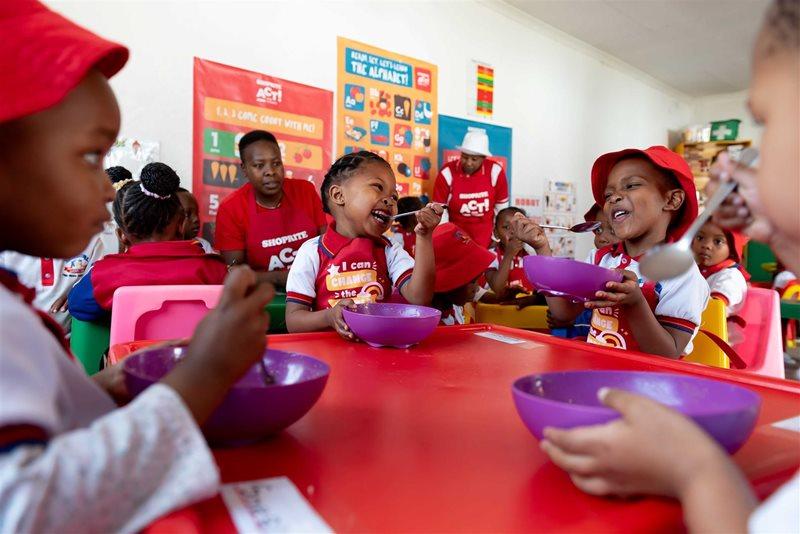
“South Africa has allocated R1.6 billion over the medium term to support child nutrition, with a particular focus on care before birth and during the first 1,000 days of life. The funding comes amid persistent concerns about childhood malnutrition, stunting, anaemia and the affordability of balanced diets, highlighting the need to turn national funding commitments into effective services for vulnerable families.”
South Africa’s child nutrition crisis is receiving renewed attention following the announcement of R1.6 billion in government funding over the medium term to support nutrition services, particularly during pregnancy and the first 1,000 days of a child’s life. The allocation, announced in the October 2026 Medium Term Budget Policy Statement, places early childhood nutrition among the country’s important public-health and social-development priorities. However, the effectiveness of the funding will depend on how well it reaches vulnerable households and translates into improved access to nutritious food, healthcare and early developmental support.
Government funding targets the earliest stages of development
The first 1,000 days, measured from conception until a child’s second birthday, represent a critical period for physical growth, brain development and long-term health. During this time, children require adequate energy, protein, vitamins, minerals and other nutrients to support their developing bodies and immune systems.
Poor nutrition during pregnancy can affect maternal health and foetal development. After birth, inadequate feeding can undermine growth, increase vulnerability to illness and contribute to developmental difficulties. When nutritional deprivation persists, children may experience stunting, a condition in which height is significantly below what is expected for their age.
The government’s R1.6 billion allocation is intended to strengthen nutrition services delivered through provincial health departments, including services at primary healthcare facilities. Reported priorities include micronutrient supplementation for pregnant and breastfeeding women and children. The funding is expected to be channelled through the District Health Programmes Grant.
Nevertheless, the announcement represents a funding commitment rather than proof that nutritional outcomes have already improved. The practical test will be whether clinics have sufficient staff, supplies, reliable referral systems and effective monitoring to ensure that eligible families receive the intended support.
The double burden of malnutrition remains a serious concern
South Africa faces a complex nutritional challenge: undernutrition and micronutrient deficiencies coexist with overweight, obesity and diet-related chronic diseases.
Research highlighted by the University of Cape Town’s Children’s Institute in July 2026 reported that more than one in four young children in the country experience stunting. The institute also raised concerns about rising childhood overweight and obesity, demonstrating that inadequate nutrition is not limited to children who lack enough food.
Children can consume sufficient calories while failing to obtain the nutrients necessary for healthy development. Diets dominated by inexpensive, energy-dense foods may provide short-term fullness without adequate amounts of iron, zinc, calcium, vitamin A and other essential nutrients.
This problem can affect children in households where food is available but dietary variety is limited by income, food prices and local availability. Consequently, nutritional policy must address both the quantity and the quality of food consumed.
Undernutrition can impair growth and learning, while consistently unhealthy dietary patterns can increase the risk of excess weight and later non-communicable diseases. These outcomes may occur in the same communities, households or even individuals at different stages of life.
The challenge therefore requires a comprehensive approach that supports adequate food intake while encouraging access to varied, nutrient-rich diets.
Household poverty makes healthy eating difficult
For many South African families, choosing nutritious food is inseparable from the challenge of managing household expenses. Food prices, unemployment, transport costs and other essential expenses can leave caregivers with limited resources to provide balanced meals.
The University of Cape Town’s Children’s Institute has highlighted the relationship between poverty and child malnutrition, noting that substantial numbers of children live in households unable to afford their basic nutritional needs. Its analysis argues that addressing the crisis requires action on the economic and structural conditions shaping what families can eat.
In some communities, inexpensive processed snacks and packaged foods are more accessible than fresh produce and other nutrient-rich alternatives. These products may be convenient and affordable in small quantities, but they do not necessarily provide the nutritional diversity required for healthy childhood development.
Caregivers facing financial pressure may rely heavily on staple foods because these can stretch across several meals. Staples remain an important part of a healthy diet, but meals may be nutritionally incomplete when households cannot regularly supplement them with beans, vegetables, eggs, fruit, dairy products or other appropriate sources of essential nutrients.
For this reason, public-health messaging alone cannot resolve food insecurity. Families need realistic opportunities to obtain healthier foods within their budgets.
A nutrition basket offers practical support to early childhood centres
An important complementary development is the Early Childhood Development Nationally Costed Nutrition Basket, reported by IOL on 17 October 2026. Developed through work involving Zero2Five Trust, the Pietermaritzburg Economic Justice and Dignity Group and public-health nutrition consultant Philippa Barnard, the initiative seeks to translate nutritional guidance into a practical food plan that ECD centres can budget for and implement.
The initiative is significant because early childhood centres often provide meals that contribute substantially to the daily diets of young children. However, centre operators must balance food purchases against staffing, utilities, rent, equipment and other operational expenses.
The reported nutrition basket includes a variety of food groups, such as fortified staple foods, vegetables, fruit, legumes, eggs, tinned fish, milk, fermented milk products and suitable fats. It also allows substitutions when locally available alternatives can meet the same nutritional purpose.
The September 2026 pilot costing estimated food ingredient costs at R7.35 per child per day for children aged nine to 23 months and R13.06 for children aged two to six years. For an illustrative centre with 20 children, the weighted average was R11.92 per child per day. These estimates cover ingredients rather than the full cost of operating a nutrition service.
The initiative aims to make the cost of providing nutritionally appropriate meals more visible. Monthly price monitoring, beginning in October 2026, is intended to help stakeholders understand how food costs change over time.
Such information can strengthen budgeting, procurement and discussions about public funding. However, a costed food basket cannot guarantee improved nutrition unless centres have sufficient resources to purchase the food, prepare it safely and serve appropriate portions consistently.
Primary healthcare services are central to prevention
Clinics and community health services are important points of intervention because they can identify nutritional risks before they become severe.
During pregnancy, healthcare workers can assess maternal nutrition, provide appropriate supplementation, monitor weight and identify conditions requiring further care. After delivery, counselling can help caregivers understand breastfeeding, infant feeding and the introduction of suitable complementary foods.
Regular growth monitoring can also help identify children who are not growing as expected. When concerns emerge, healthcare workers can assess possible causes, including inadequate dietary intake, illness, feeding difficulties and household food insecurity.
However, screening is useful only when followed by appropriate action. Facilities need reliable referral pathways, sufficient personnel and access to nutritional support for children who require more intensive care.
The R1.6 billion allocation therefore creates an opportunity to strengthen the connection between prevention, early detection and treatment. Provincial implementation will be particularly important because local healthcare facilities face different demands and resource constraints.
Public reporting on expenditure, service coverage and outcomes would help establish whether funding is reaching the children and caregivers who need it most.
Schools and community programmes must complement early interventions
Although the first 1,000 days deserve particular attention, nutritional support must continue as children grow. School feeding programmes, community initiatives and social assistance can help protect children from hunger and support their ability to learn.
School meals can provide dependable access to food during the school day, especially for children living in households experiencing food insecurity. However, the quality, variety and consistency of meals matter alongside the number of children reached.
Community gardens, local food initiatives and nutrition education can also contribute to healthier food environments when they are appropriately designed and supported. Their effectiveness depends on practical considerations such as water availability, land access, seasonal production and the ability of households to use or purchase the food produced.
These interventions should complement, rather than replace, broader measures addressing poverty and access to essential services.
Coordination between health departments, education authorities, social development agencies, local government and civil society is necessary to ensure that children do not fall between programmes.
Monitoring will determine whether funding delivers results
The announcement of additional funding raises an important question: how will South Africa measure success?
Financial allocations and expenditure figures are important, but they do not independently demonstrate that children are eating better or experiencing healthier growth.
Useful measures include the number of eligible pregnant women receiving nutrition services, the availability of supplements at clinics, the proportion of children screened for growth concerns, and the number of families referred for additional support.
Longer-term indicators should examine whether dietary diversity improves, whether preventable nutritional deficiencies decline and whether the prevalence of stunting changes over time.
Results should be examined across income groups, provinces and communities to identify where progress is occurring and where additional intervention is required.
ECD nutrition programmes could contribute by tracking food prices and documenting whether centres can consistently provide the intended menus. Transparent costing would also help policymakers assess whether existing subsidies adequately cover the actual cost of supplying meals.
Independent evaluation can distinguish between money allocated, services delivered and measurable improvements in children’s nutritional status.
A coordinated response is essential
South Africa’s nutrition challenge cannot be resolved through a single budget announcement or programme. Funding for early-life nutrition, affordable food initiatives, healthcare services, ECD meals and school feeding addresses different parts of the same problem.
The R1.6 billion commitment provides an opportunity to strengthen prevention and support during a particularly important period of development. Its impact will depend on implementation, accountability and whether families can access the services and food required for healthy growth.
The cost of inaction extends beyond immediate hunger. Persistent malnutrition can undermine educational achievement, increase vulnerability to illness and constrain future economic opportunities. Addressing these effects requires investment that reaches children before nutritional problems become entrenched.
Equally, policies must recognise that families cannot always overcome structural barriers through individual choices alone. Affordable nutritious food, accessible healthcare and adequately funded child-support services are essential components of a healthier food system.
The next stage will be to establish whether the new allocation produces measurable improvements in maternal and child nutrition. Consistent monitoring, practical support for frontline services and cooperation across government and communities will determine whether the commitment translates into lasting change.
For South Africa, the central objective is clear: children should have a realistic opportunity to receive the nourishment necessary to grow, learn and thrive, regardless of their household income or where they live.



