




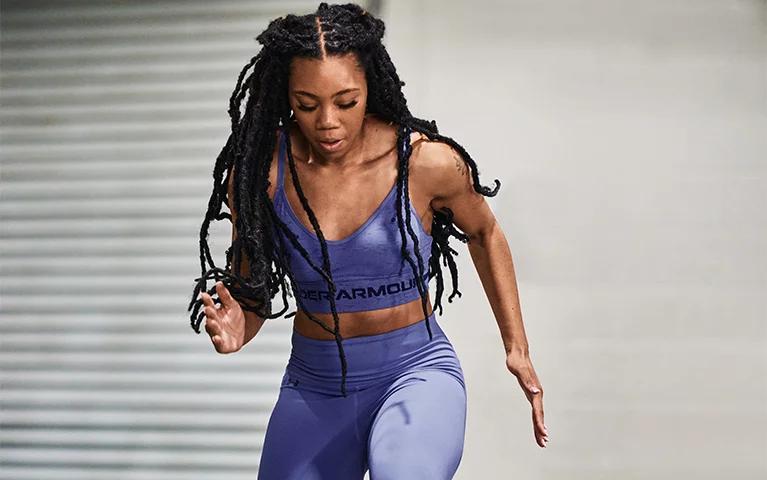
“Under Armour South Africa has launched its Q4 HeatGear Elite campaign, featuring Kevin Lerena, Zinhle Masango and Musa Keys to showcase the discipline, resilience and preparation behind athletic, fitness and creative achievement. The campaign places performance apparel within a broader conversation about consistent training, personal development and the relationship between physical activity and mental focus.”
South African Fitness Campaign Highlights Discipline, Athletic Preparation and the Power of Consistency
South Africa’s fitness and active-lifestyle industry has received a fresh spotlight through Under Armour South Africa’s Q4 HeatGear Elite campaign, which celebrates the determination, preparation and resilience required to achieve personal and professional goals. Published by Hype Magazine on 28 October 2026, the campaign features boxing champion Kevin Lerena, fitness personality Zinhle Masango and recording artist Musa Keys, each bringing a different perspective to the relationship between physical performance, discipline and everyday life.
Rather than concentrating exclusively on sporting achievements or the appearance of professional athletes, the campaign explores the work that takes place before success becomes visible. Its central message is that meaningful progress depends on consistent preparation, the ability to overcome challenges and a willingness to continue improving. These themes are relevant to South Africans pursuing fitness goals, whether they are professional competitors, recreational athletes or beginners establishing healthier routines.
The importance of preparation in achieving fitness goals
Physical fitness rarely develops through occasional bursts of motivation alone. Sustainable improvement generally requires structured exercise, appropriate recovery, sufficient nutrition and realistic goals. Athletes must repeatedly practise their skills, assess their performance and adapt their training to meet changing demands.
The campaign reflects this principle by presenting preparation as an essential part of achievement. For ordinary gym members and recreational runners, the message is straightforward: progress should be measured through consistent effort rather than occasional exceptional performances.
Beginners can apply this approach by establishing manageable routines. Walking regularly, gradually increasing exercise duration, practising basic strength movements and allowing sufficient recovery can help build a foundation for more demanding activities. Those already exercising can benefit from structured programmes that balance cardiovascular training, strength development, mobility and rest.
Consistency is particularly important because fitness improvements take time. A person who starts with achievable targets and maintains a regular schedule may develop better long-term habits than someone who repeatedly attempts an excessively demanding programme and abandons it.
Nevertheless, individual needs differ. Age, previous activity levels, injuries, disabilities and existing medical conditions can influence which activities are appropriate. Training should therefore be adapted to the individual rather than based entirely on the routines of professional athletes.
Kevin Lerena demonstrates the demands of competitive boxing
Kevin Lerena, a boxing champion and established Under Armour ambassador, represents the campaign’s competitive sporting perspective. According to Hype Magazine, his contribution centres on the preparation required to remain competitive, including demanding training sessions and the mental pressures associated with fight preparation.
Boxing places substantial demands on cardiovascular endurance, muscular strength, coordination, balance, reaction time and tactical decision-making. Fighters must also manage the psychological pressure of competition, where performance depends on maintaining concentration while responding quickly to an opponent.
A boxer’s training programme may include technical drills, footwork exercises, conditioning, resistance training and carefully planned recovery. However, professional preparation is not suitable for every recreational exerciser. Beginners should prioritise foundational fitness, qualified instruction and safe progression instead of immediately copying an elite athlete’s workload.
Lerena’s inclusion highlights the difference between the visible moment of victory and the preparation required to reach it. For aspiring athletes, this distinction can encourage patience, disciplined practice and realistic assessments of progress.
It also reinforces the importance of recovery. Training creates physical demands that the body must adapt to, while rest helps support that adaptation. Persistent exhaustion, recurring pain or deteriorating performance can indicate that a programme needs adjustment.
Zinhle Masango brings fitness and personal development into focus
Fitness personality Zinhle Masango contributes a perspective centred on self-determination, personal growth and continually challenging individual limits. The campaign presents her journey as an example of the work involved in building confidence, maintaining discipline and pursuing ambitious objectives.
Her inclusion is significant for the way fitness can be understood beyond competition. Many people exercise to improve their general health, gain strength, increase energy or feel more comfortable performing everyday activities. Others want to develop confidence, join a supportive community or establish a routine that creates structure in their lives.
These motivations can be valuable starting points, particularly for individuals who do not identify as athletes. Exercise does not have to involve competitions, expensive equipment or demanding gym sessions to become a meaningful part of daily life.
Walking, dancing, cycling, swimming and home-based strength exercises can all contribute to an active lifestyle. The most appropriate option is often the activity a person enjoys and can realistically maintain.
Social support may also help people stay engaged. Training with friends, participating in group classes or joining a local running club can introduce accountability and make physical activity more enjoyable.
However, confidence should not be measured solely through appearance or comparisons with influencers. Individual progress can instead be assessed through improvements in endurance, strength, mobility, consistency and everyday functioning.
Musa Keys highlights the relationship between movement and mental focus
The campaign’s third ambassador, recording artist Musa Keys, offers a creative-industry perspective. Hype Magazine reports that his story addresses the pressures and challenges associated with pursuing a career on a global stage, while highlighting physical fitness as part of maintaining focus and managing professional demands.
This aspect of the campaign broadens the conversation about fitness. Physical activity is not exclusively a tool for athletic achievement; it can also support general well-being and provide a structured break from demanding work.
Regular movement may help some people manage stress, improve sleep and experience better mood. Activities such as brisk walking, cycling, swimming and recreational sport can create opportunities to disconnect temporarily from work-related responsibilities.
For people working irregular hours, including performers, entrepreneurs and shift workers, maintaining an exercise routine can be challenging. Flexible plans may therefore be more practical than rigid schedules. Short sessions, active travel, home workouts and planned movement breaks can help individuals incorporate activity into busy days.
Physical activity is not, however, a substitute for professional mental healthcare when that support is needed. Exercise can form part of a broader approach to well-being alongside adequate sleep, social connection and appropriate healthcare.
Musa Keys’ involvement also demonstrates how fitness messaging can reach audiences beyond traditional sporting communities. Musicians, entertainers and other public figures can introduce discussions about healthy habits to people who may not regularly follow specialist fitness publications.
HeatGear Elite and the role of performance apparel
Under Armour’s HeatGear Elite collection provides the product focus for the campaign. The company uses the ambassadors’ stories to connect its performance apparel with the demands of training and the pursuit of personal goals.
Sportswear can contribute to comfort during exercise. Clothing that fits appropriately, allows movement and manages moisture can make some training activities more comfortable, particularly during warm conditions or demanding sessions.
However, consumers should distinguish between the practical functions of apparel and broader marketing claims. Wearing specialised clothing does not independently improve fitness, guarantee better athletic performance or replace effective training.
For South African consumers, the most useful purchasing considerations include comfort, durability, suitability for the intended activity, ease of care and affordability. Someone walking for general health may need very different equipment from a competitive boxer or a distance runner.
The campaign’s emphasis on preparation offers an important reminder: equipment is only one element of an effective fitness routine. Consistent practice, appropriate instruction, recovery and realistic expectations remain central to progress.
Implications for South Africa’s fitness culture
The campaign arrives within a wider conversation about making physical activity accessible, enjoyable and sustainable. South Africa has diverse exercise environments, from commercial gyms and organised sporting clubs to public parks, community facilities and neighbourhood walking routes.
Yet opportunities to exercise are not distributed equally. Membership costs, transport, work schedules, access to safe outdoor spaces and the availability of suitable facilities can influence participation. Consequently, fitness communication should recognise that not everyone can afford premium apparel, personal trainers or specialised equipment.
Public-facing campaigns can help by presenting activity as achievable through different approaches. Community walking groups, school sports, recreational running and low-cost home exercises can provide entry points for people who cannot access commercial facilities.
Employers, community organisations, schools and local authorities also have potential roles in encouraging movement through practical initiatives. Accessible recreation spaces, organised activities and workplace movement opportunities may help people build exercise into everyday routines.
The Under Armour campaign is primarily a branded marketing initiative, not evidence that national physical activity levels have improved. Its wider significance lies in how it communicates familiar themes of persistence, personal development and preparation to audiences interested in sport, entertainment and lifestyle.
Building healthier routines beyond the campaign
The practical lesson for readers is to translate inspiration into achievable action. Someone beginning a fitness journey can start with short walks and gradually build duration as fitness improves. A person interested in strength training can learn basic movements and increase difficulty progressively. Recreational athletes can establish consistent schedules that balance challenging sessions with recovery.
Adults are commonly advised to work towards at least 150 minutes of moderate-intensity aerobic activity each week, or an equivalent amount of vigorous activity, alongside muscle-strengthening activities on two or more days, in line with World Health Organization guidance. People who are currently inactive can begin below these targets and increase activity gradually according to their circumstances.
Warm-ups, suitable footwear, hydration and attention to warning symptoms can also contribute to safer participation. People with relevant medical concerns should seek appropriate professional advice before starting strenuous exercise.
Importantly, progress does not need to be dramatic to be worthwhile. Maintaining a routine, walking more frequently, improving technique or gradually increasing strength can all represent meaningful developments. Measuring progress against personal goals rather than another person’s achievements can make fitness more sustainable.
Conclusion
Under Armour South Africa’s Q4 HeatGear Elite campaign places Kevin Lerena, Zinhle Masango and Musa Keys at the centre of a story about discipline, resilience and the preparation behind achievement. Its message connects competitive sport, personal fitness and creative work through the shared importance of consistency and commitment.
For South Africans interested in improving their fitness, the most useful takeaway extends beyond the featured apparel or celebrity endorsements. Long-term progress depends on appropriate activity, regular practice, recovery and goals that reflect individual circumstances.
Although the campaign does not establish new medical findings or demonstrate measurable changes in national fitness levels, it contributes to public discussion about active lifestyles. Ultimately, its strongest message is that fitness is built through repeated actions rather than a single moment of success.



