




“The AllFashion Sourcing Cape Town 2026 Expo positioned accessories as the new leaders of sustainable fashion, blending eco-friendly innovation with cultural storytelling. With exports projected to rise by 15%, South Africa’s accessory industry is becoming a global force in merging heritage with sustainability.”
South Africa’s fashion industry is undergoing a profound transformation, and at the heart of this shift are accessories. Once considered secondary embellishments, accessories are now recognized as cultural storytellers and sustainability leaders. The AllFashion Sourcing Cape Town 2026 Expo, held at the Cape Town International Convention Centre, has become the defining moment for this reorientation, positioning handbags, jewelry, belts, and sunglasses as drivers of eco-conscious innovation and cultural identity.
Cultural Identity Through Accessories
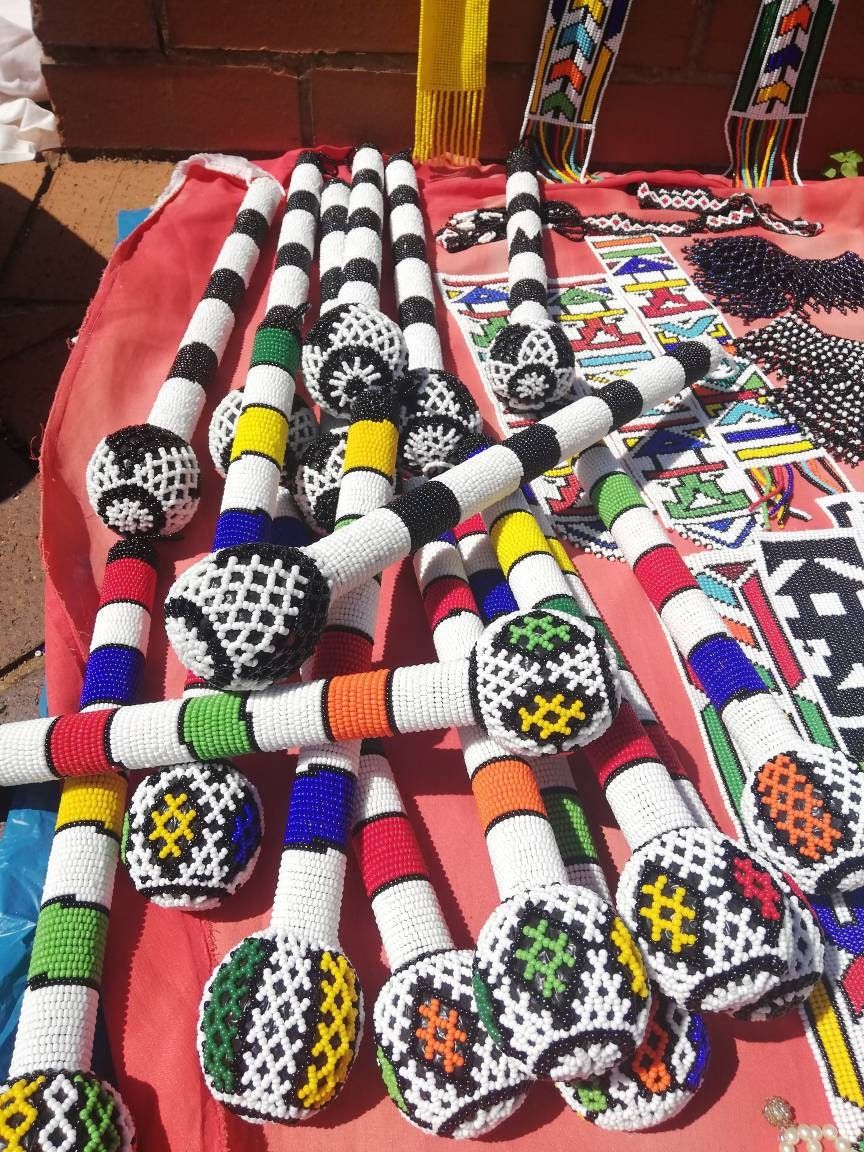
- Heritage-inspired designs: Ndebele and Zulu motifs were woven into modern accessories, reinforcing cultural pride.
- Symbolism in beadwork: Geometric patterns and beadwork were used as storytelling devices, turning accessories into cultural markers.
- Fashion storytelling: Accessories were presented not just as fashion items but as carriers of heritage, strengthening South Africa’s distinctiveness in global markets.
This cultural emphasis ensures that accessories are not merely decorative but integral to national identity. By embedding heritage into eco-friendly design, South African brands differentiate themselves from global fast-fashion competitors.
Sustainability and Innovation
- Eco-friendly materials: Handbags crafted from recycled plastics, belts made from plant-based leathers, and sunglasses with bamboo frames were showcased.
- Circular economy focus: Accessories were highlighted as scalable products for sustainable fashion, reducing waste while maintaining luxury appeal.
- Global competitiveness: South African accessories are increasingly exported, positioning the country as a leader in sustainable fashion innovation.
The Expo demonstrated how accessories can merge luxury with sustainability, appealing to both local and international markets.
Key Highlights from the Expo
- Jewelry Renaissance: Beaded necklaces and gemstone-studded earrings blended traditional artistry with modern elegance.
- Handbags as Sculptural Art: Bold shapes and textures transformed handbags into wearable art pieces.
- Sunglasses as Identity Markers: Oversized frames and geometric designs reflected individuality and confidence.
These innovations show how accessories are evolving into powerful statements of identity and sustainability.
Economic Impact
The accessories boom is expected to increase exports by 15% in 2026, creating new opportunities for local artisans and entrepreneurs. This growth not only strengthens South Africa’s competitiveness in global fashion markets but also provides sustainable livelihoods for communities engaged in craft production.
Challenges Ahead
Despite the optimism, challenges remain:
- Affordability: Sustainable accessories often cost more, raising questions about accessibility for local consumers.
- Scaling production: Ensuring eco-friendly materials are available at scale without compromising quality.
- Global competition: Competing with fast-fashion giants that prioritize low cost over sustainability.
Conclusion
The AllFashion Sourcing Cape Town 2026 Expo has redefined the role of accessories in South Africa’s fashion industry. By merging cultural heritage with sustainability, accessories are no longer secondary—they are central to fashion’s future. With exports set to rise and eco-conscious innovation leading the way, South Africa is positioning itself as a global hub for sustainable fashion accessories.



