




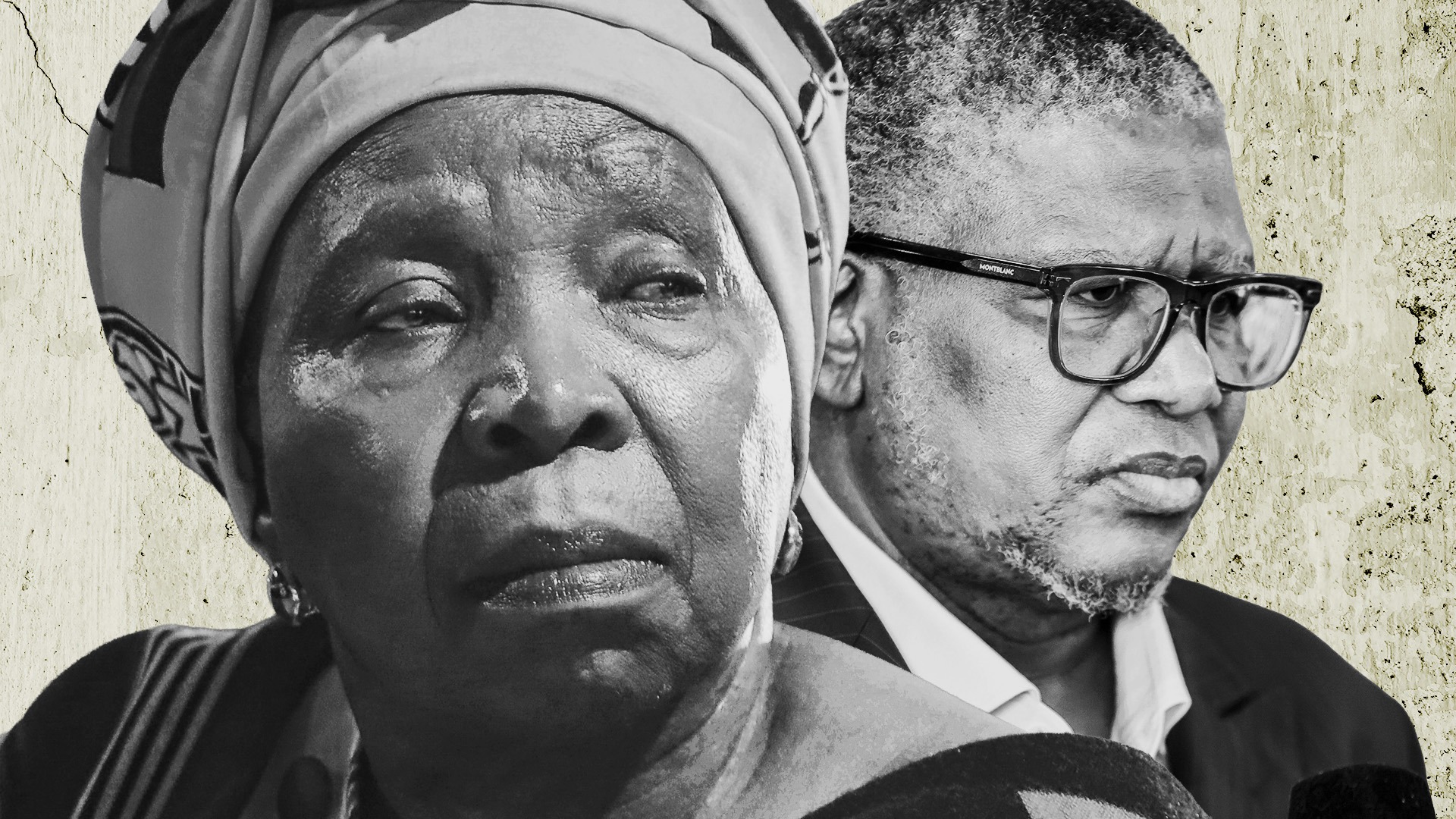
“The ANC is reeling from bribery allegations against Secretary-General Fikile Mbalula, with affidavits now before the Gauteng High Court, while simultaneously suffering a major electoral setback after the Electoral Court barred 181 of its candidates from contesting in six municipalities. These developments raise serious questions about the party’s internal integrity and its ability to retain influence in traditional strongholds”
The African National Congress (ANC), South Africa’s ruling party since the dawn of democracy in 1994, is facing one of its most turbulent weeks in recent memory. On September 18, 2026, the party was hit by two major blows: bribery allegations against its Secretary-General, Fikile Mbalula, escalated into a full-blown court case, and the Electoral Court dismissed the ANC’s attempt to reinstate 181 candidates excluded from the November 2026 local elections. Together, these crises expose deep fractures within the party and cast doubt on its ability to maintain dominance in the country’s political landscape.
The Bribery Allegations Against Mbalula
The controversy began when ANC veteran Nkosazana Dlamini-Zuma accused Mbalula of using cash to influence delegates during the party’s 2022 elective conference. That conference was pivotal: Mbalula secured his current role as Secretary-General, while Cyril Ramaphosa was re-elected ANC president. Mbalula denied the allegations and sued Dlamini-Zuma for defamation.
However, the matter escalated when ANC delegate Mandla Sibiya submitted an affidavit to the Gauteng High Court, claiming he personally witnessed Mbalula distributing money and even received some himself. This transformed the dispute from a political spat into a legal battle with potentially far-reaching consequences. Judgment has been reserved, but the case has already damaged Mbalula’s credibility and, by extension, the ANC’s reputation.
The allegations tap into a long-standing concern within the ANC: the role of money in internal elections. Since the Polokwane conference in 2007, whispers of cash-for-votes have haunted the party. Mbalula himself previously warned about the corrosive influence of money in ANC politics, making the current allegations particularly ironic.
Electoral Court Defeat
As if the bribery scandal were not enough, the ANC suffered another setback when the Electoral Court dismissed its attempt to reinstate 181 candidates excluded from the November local elections. The Independent Electoral Commission (IEC) had ruled that the ANC missed the submission deadline in six municipalities, including Ingquza Hill and Port St Johns—areas traditionally considered ANC strongholds.
The ANC argued that it had uploaded the candidates’ information in time, but the IEC maintained that the party simply ran out of time. The court sided with the IEC, leaving the ANC off the ballot in several municipalities. This ruling could significantly weaken the party’s local presence and open the door for opposition parties to gain ground.
The incident highlights organizational weaknesses within the ANC. Missing a deadline may seem trivial, but for a party that prides itself on being the dominant force in South African politics, it is a glaring failure. It also underscores the importance of independent institutions like the IEC and the courts in safeguarding democratic processes.
Historical Context
The ANC has faced internal divisions before. In 2017, Dlamini-Zuma lost the ANC presidency to Ramaphosa by just 179 votes, a contest that reshaped the party and the country’s trajectory. Ramaphosa later testified at the State Capture Commission that shifting the balance of power within the ANC was essential to dismantling corruption networks entrenched during Jacob Zuma’s presidency.
Today’s crises echo those earlier battles, but with added urgency. The bribery allegations and electoral exclusion come at a time when the ANC is already struggling with declining public trust, economic stagnation, and growing opposition strength.
Implications for November 2026 Elections
The November local elections are critical for the ANC. Losing candidates in six municipalities could weaken its grassroots structures, while the bribery scandal risks alienating voters who are already skeptical of the party’s integrity. Opposition parties such as the Democratic Alliance (DA) and Economic Freedom Fighters (EFF) are likely to capitalize on the ANC’s missteps.
Moreover, the ANC’s internal credibility is at stake. If Mbalula is found guilty of bribery, it would not only tarnish his career but also reinforce perceptions of corruption within the party. Combined with the electoral court defeat, the ANC risks entering the November elections on the back foot.
Conclusion
The ANC’s dual crises—bribery allegations against Fikile Mbalula and the exclusion of 181 candidates from the November elections—represent a significant challenge to the party’s dominance. These developments highlight both internal weaknesses and external accountability mechanisms that are reshaping South Africa’s political landscape.
As the court deliberates on Mbalula’s case and the ANC scrambles to regroup ahead of November, the party faces a defining moment. Will it emerge resilient, or will these crises accelerate its decline? For South Africans, the outcome will shape not only the future of the ANC but also the broader trajectory of the country’s democracy.



