




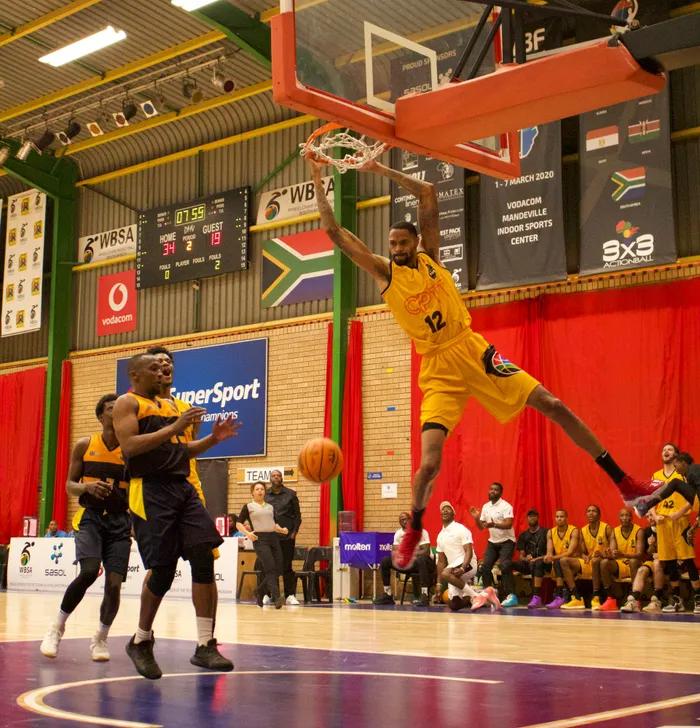
“Basketball South Africa confirmed that the 2026 National Club Championships would take place from 6 to 11 October at Johannesburg’s Mandeville Indoor Sport Center after organisers experienced difficulties securing a venue. The competition represents an important opportunity for clubs to compete nationally, showcase developing players and strengthen the domestic basketball structure, although current match results and a new announcement dated 9 October could not be independently verified.”
A major week for South African club basketball
South African basketball enters an important period as the 2026 National Club Championships take place at the Mandeville Indoor Sport Center in Johannesburg. Basketball South Africa confirmed the competition’s revised dates as 6–11 October, providing participating clubs with a clear venue and schedule after uncertainty threatened the organisation of this year’s tournament.
Basketball For Living
The championships form part of the country’s wider basketball development structure. National club competitions give teams from different areas an opportunity to measure their abilities against stronger opposition, assess their preparation and expose players to a more demanding competitive environment.
As the tournament reaches its scheduled closing weekend, attention naturally turns to the quality of competition, the depth of talent and the organisational arrangements needed to deliver a successful national event. However, confirmed match reports and final standings for 9 October were not available in the sources reviewed. Consequently, this report focuses on the documented announcement and the broader implications of hosting a national championship rather than presenting unverified match outcomes.
Venue uncertainty highlights the difficulties facing the sport
The decision to move the championships to Mandeville Indoor Sport Center followed difficulties encountered by the local organising committee in Gauteng while attempting to secure a suitable venue. Basketball South Africa announced the revised arrangements after the uncertainty had placed the staging of the competition at risk.
Basketball For Living
Securing an appropriate indoor venue is essential for a national basketball tournament. Organisers must consider court availability, player facilities, match scheduling, technical operations, spectator access and the requirements of participating teams. A venue must also support the smooth running of multiple games across several days.
When a tournament’s dates or location remain uncertain, clubs can struggle to finalise transport, accommodation, staffing and preparation plans. These arrangements are particularly important for teams travelling from outside Gauteng, where participation may require substantial financial and logistical commitments.
The revised confirmation therefore provided an essential foundation for the competition. It allowed participating organisations to plan around a stated venue and tournament period, even though the original announcement acknowledged the difficulties encountered during preparations.
The situation also illustrates why sports administrators benefit from securing venues well in advance. Early confirmation gives clubs, sponsors, officials and supporters more time to organise their involvement and reduces the risk of last-minute disruption.
Why national club championships matter
Club competitions play a central role in developing basketball beyond the national team environment. While professional leagues provide regular competition for established players, national championships can bring together clubs with different playing styles, coaching approaches and levels of experience.
These encounters can reveal strengths and weaknesses that are difficult to assess within a team’s usual local competition. Coaches can evaluate defensive organisation, transition play, rebounding, ball movement and decision-making under pressure.
For younger players, national competition also offers valuable exposure. Athletes who perform consistently against unfamiliar opponents can demonstrate their potential to coaches, selectors and other basketball stakeholders. Nevertheless, individual performances should be assessed over time rather than judged solely by one tournament.
The championships can also encourage clubs to improve their standards. Teams seeking to compete successfully at national level need structured training, reliable coaching, player development programmes and effective management. They must prepare for different opponents and adapt their tactics when games become physically and mentally demanding.
For South African basketball, the long-term value of the event depends not only on who wins but also on whether participating clubs return home better equipped to develop their players and compete in future seasons.
Building a stronger pathway for emerging players
Player development remains one of the most important considerations in domestic basketball. Young athletes need regular opportunities to practise fundamental skills, compete against appropriate opposition and learn from experienced coaches.
National championships can contribute to that process by placing players in a more challenging environment. The speed of decision-making, physical demands and tactical complexity can increase when teams face opponents they have not regularly encountered.
Guards must demonstrate control, passing accuracy and the ability to create opportunities under defensive pressure. Forwards need to contribute through movement, rebounding and defensive versatility, while centres must provide effective interior defence and finishing around the basket.
However, a strong development system requires more than a single annual event. Clubs need consistent local competitions, qualified coaches, access to training facilities and programmes that help players progress through different age groups.
Schools and community organisations also have an important role. They can introduce young people to basketball, encourage participation and identify athletes who might benefit from more advanced coaching.
National competitions become more valuable when they connect these different stages of development. Without reliable opportunities before and after the championships, talented players may struggle to maintain their progress.
Coaching, tactics and the importance of preparation
A national tournament tests more than individual ability. Coaches must prepare their teams to perform consistently across a demanding competition schedule.
Effective preparation begins with understanding a team’s strengths and limitations. Some clubs may rely on defensive pressure and fast breaks, while others prefer controlled half-court possessions and structured offensive sets.
Rebounding is especially important because it determines which team gains possession after missed shots. Offensive rebounds create additional scoring opportunities, while defensive rebounds help teams stop opponents from extending possessions.
Turnovers can also determine close games. Poor passing decisions, rushed attacks and difficulties handling defensive pressure can surrender valuable possessions. Coaches therefore need players who understand when to accelerate the game and when to retain control.
Defensive communication is equally important. Teams must coordinate switches, protect the basket and identify dangerous shooters. A breakdown in communication can allow opponents to generate uncontested shots or penetrate the defence.
During a multi-day tournament, recovery and rotation management become important considerations as well. Coaches must balance the need to win individual games with the physical demands of sustained competition.
Although no verified game statistics were available for the championship’s 9 October programme, these are the performance areas that can help explain the significance of results once official match reports and box scores are published.
Funding and administration remain important challenges
The difficulties surrounding the venue arrangements also draw attention to the financial and administrative demands of running national sports competitions.
Basketball tournaments require resources for facility hire, transport, accommodation, officials, equipment, medical support and event administration. Clubs may face additional expenses when travelling long distances or entering competitions that require several days away from home.
Basketball South Africa’s announcement referred to challenges in securing a venue and acknowledged pressure associated with meeting continental competition deadlines. The organisation also apologised for delays in confirming the championship arrangements.
Basketball For Living
These issues matter because administrative uncertainty can affect the entire basketball community. Players need clear schedules, coaches require sufficient preparation time and sponsors need confidence that events will be delivered professionally.
More predictable planning could help reduce these difficulties. Early venue agreements, transparent communication, clear registration deadlines and coordinated provincial support can make competitions easier to organise.
Partnerships with local businesses, schools, municipalities and sports institutions may also help expand the resources available to clubs. Such relationships need clear responsibilities and realistic budgets to remain sustainable.
Financial support should ultimately contribute to better playing conditions and stronger development programmes, rather than focusing exclusively on the visible event itself.
The wider African basketball opportunity
South African basketball also operates within a broader African sporting environment. Continental competitions offer clubs an opportunity to test their standards against opponents from other countries and create pathways towards greater recognition.
The Basketball Africa League is one example of this wider landscape. Its 2026 season included the Johannesburg Giants among 12 participating clubs, with competition taking place across Pretoria, Rabat and Kigali.
Citizen Digital
Continental participation demonstrates the potential for South African teams to become more prominent in African basketball. However, sustained progress requires domestic competitions that help players, coaches and clubs develop the necessary experience.
National championships can contribute to this foundation by providing competitive opportunities and encouraging clubs to strengthen their organisation. A deeper pool of well-prepared players can also support future recruitment and selection.
At the same time, domestic success does not automatically guarantee continental success. Clubs must consider the differences in playing styles, resources, travel demands and levels of opposition that accompany international competition.
The connection between local development and continental ambition is therefore important. Investment in domestic basketball can help create stronger teams, but meaningful progress depends on consistent work across multiple seasons.
What supporters should watch as the tournament concludes
With the championships scheduled to run through 11 October, supporters can look for official updates from Basketball South Africa and participating clubs to establish which teams are advancing and which players are making an impact.
The most useful indicators will include confirmed scores, team standings, individual statistics and official announcements about the competition’s final stages.
Supporters should also pay attention to the quality of the event’s organisation. Clear fixture information, accessible results and timely communication help make basketball easier to follow for people who cannot attend games in person.
For players and coaches, the championship offers an opportunity to evaluate performance and identify areas for improvement. For clubs, it can provide a benchmark against which future recruitment, training and investment decisions can be assessed.
It is equally important to recognise the contribution of officials, volunteers and organisers. Their work supports the competition’s delivery and helps create an environment where athletes can focus on playing.
Conclusion: A meaningful opportunity for the domestic game
The 2026 National Club Championships represent an important fixture in South African basketball, bringing the domestic club environment into focus during a six-day competition in Johannesburg.
The confirmed venue and revised dates resolved a period of uncertainty and gave participating clubs a defined framework for the tournament. The event’s wider importance lies in its potential to strengthen competition, develop players, challenge coaches and encourage better administration across the sport.
Basketball For Living
Nevertheless, one tournament cannot resolve every challenge facing South African basketball. Continued progress will require reliable facilities, sustainable club funding, stronger youth pathways, qualified coaching and consistent opportunities to compete.
The immediate priority is to complete the championships successfully and ensure that official results and final standings are communicated clearly. Once those details are confirmed, the performances of individual clubs and players can be assessed more precisely.
For now, the national championships provide a useful reminder that the future of South African basketball depends on the strength of its domestic foundations. Developing those foundations is essential if local talent is to progress towards higher levels of competition and help the country build a more competitive basketball culture.



