




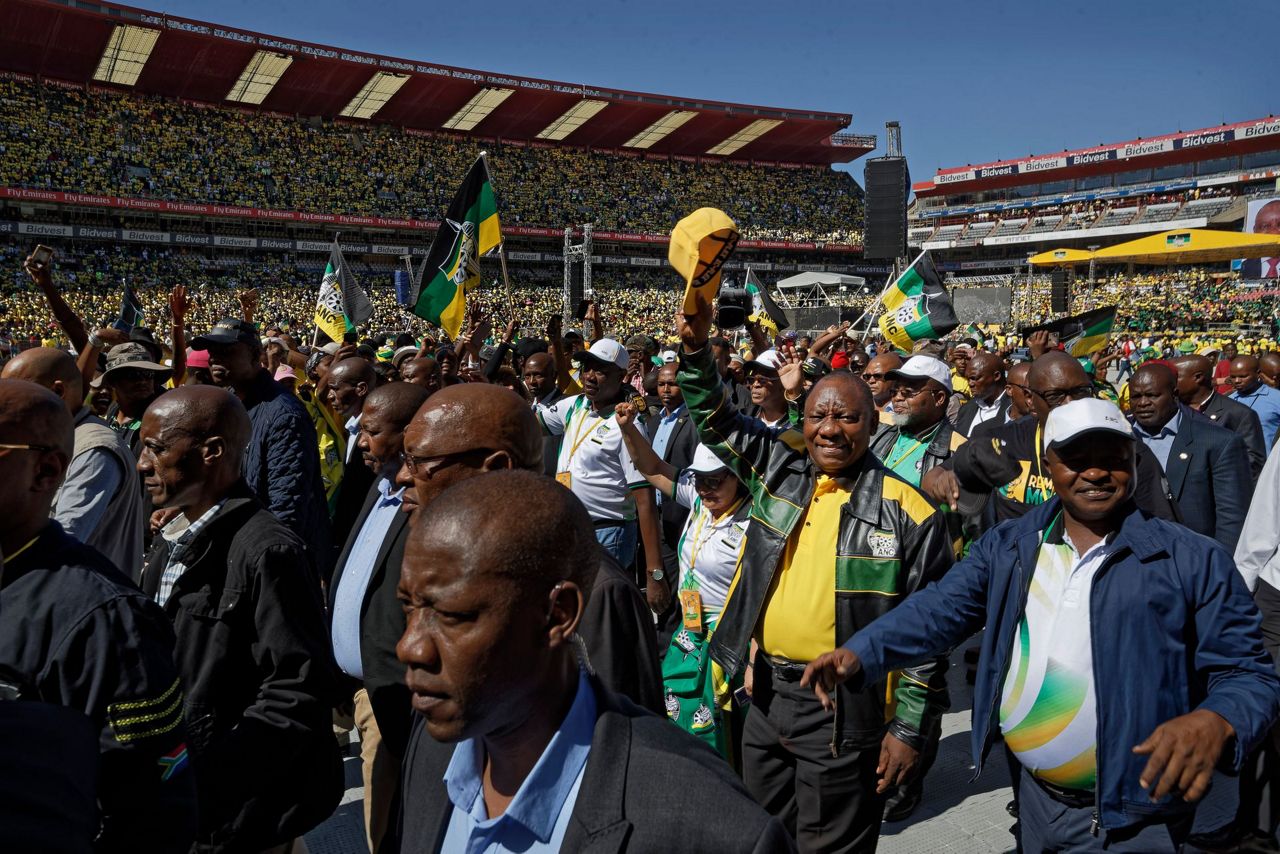
“South Africa’s 2026 municipal elections are shaping up to be a historic showdown, with Johannesburg at the center of a fierce contest between the ANC-led coalition and the DA, which has fielded veteran politician Helen Zille. With service delivery failures and corruption scandals eroding ANC support, polls show the DA gaining ground, making this election a pivotal moment for the country’s political future.”
The countdown to South Africa’s 2026 municipal elections has begun, and the political temperature is rising across the country’s megacities. Johannesburg, the nation’s economic hub, has become the symbolic and numerical battleground where the African National Congress (ANC) and the Democratic Alliance (DA) are fighting for dominance. Analysts argue that the stakes have not been this high since the dawn of democracy in 1994, as the outcome will shape not only local governance but also the broader trajectory of South African politics.
Electoral Context
Scheduled for November 4, 2026, these elections will see voters across South Africa elect representatives for metropolitan, local, and district municipalities. Over 28.5 million South Africans are registered to vote, with a significant surge in youth participation following recent registration drives. The Electoral Commission of South Africa (IEC) has confirmed readiness, with district boundaries finalized and an Inter-Ministerial Committee established to oversee preparations.
Johannesburg: The Symbolic Prize
Johannesburg, currently governed by an ANC-led coalition including the Economic Freedom Fighters (EFF) and the Patriotic Alliance, is plagued by persistent service delivery failures, corruption scandals, and infrastructure breakdowns. The DA has seized on this discontent, deploying Helen Zille, former Cape Town mayor and Western Cape premier, as its mayoral candidate. Zille’s candidacy has electrified the DA’s campaign, with rallies blending political messaging with cultural performances, signaling a bid to connect with diverse urban voters.
Polling Trends
Recent polls in Gauteng show the DA leading with 38% support in Johannesburg, while the ANC has slipped to between 12–20%. This dramatic decline reflects growing frustration among residents over unreliable electricity, water shortages, and allegations of mismanagement. Political analyst Daniel Silke has described the contest as “a matter of life and death” for both parties, emphasizing that the ANC must reclaim lost ground in urban centers to maintain its national dominance.
Service Delivery and Governance
At the heart of the election lies the issue of service delivery. Johannesburg residents have endured repeated power outages, water cuts, and deteriorating public transport. Corruption scandals involving municipal contracts have further eroded trust in the ANC-led coalition. The DA argues that its track record in Cape Town demonstrates its ability to deliver efficient governance, while the ANC insists that only it can ensure inclusive development and social equity.
National Implications
Although municipal elections are local by nature, their implications are national. Control of Johannesburg, Tshwane, and eThekwini would give the DA symbolic victories in South Africa’s largest economic hubs, potentially reshaping the balance of power ahead of the 2029 national elections. For the ANC, retaining these cities is critical to demonstrating resilience and countering narratives of decline.
Youth and New Voters
A striking feature of the 2026 elections is the surge in youth participation. Over 477,000 new voters registered in June 2026, with 80% under the age of 30. This demographic shift could prove decisive, as younger voters are less tied to liberation-era loyalties and more focused on tangible governance outcomes. Both the ANC and DA are tailoring their campaigns to appeal to this group, with promises of job creation, digital innovation, and improved urban services.
Foreign Influence Concerns
Reports have emerged of foreign-funded support for opposition campaigns in key metropolitan areas, raising questions about external influence in South Africa’s democratic processes. While the IEC has assured voters of its independence and readiness, the issue underscores the high stakes of these elections and the global interest in South Africa’s political trajectory.
Conclusion
As South Africa approaches November 2026, the battle for Johannesburg epitomizes the broader struggle for the country’s political soul. With the ANC fighting to retain its historic dominance and the DA pushing to expand its urban footprint, the elections will test the resilience of South Africa’s democracy. For voters, the choice will hinge on who can best deliver reliable services, restore trust in governance, and chart a path toward inclusive growth. The outcome in Johannesburg may well determine the future direction of South African politics.



