




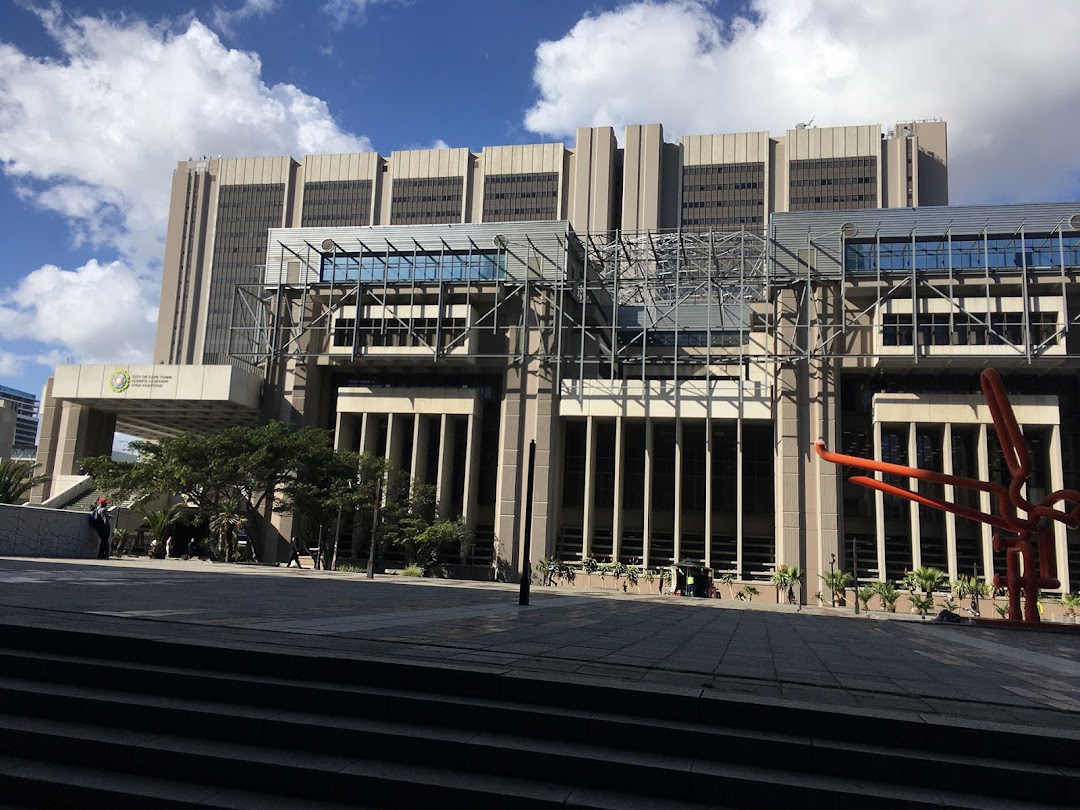
“The City of Cape Town has initiated a public commentary process on its plan to redevelop the Civic Centre parking lot into a mixed-use precinct, potentially transforming a central urban space into a hub for housing, retail, and offices. This redevelopment reflects broader trends in South African real estate development, where municipalities are leveraging underutilized land for economic growth and urban renewal.”
South Africa’s real estate development landscape continues to evolve in 2026, with municipalities and private developers seeking innovative ways to maximize urban land use. The City of Cape Town’s latest proposal to redevelop the Civic Centre parking lot into a mixed-use precinct has emerged as one of the most significant development stories of the day. This initiative highlights the growing emphasis on urban renewal, sustainability, and economic revitalization in South Africa’s property sector.
Background of the Project
The Civic Centre parking lot, located in the heart of Cape Town, has long been used as an open-air staff parking facility. However, the city has identified this site as underutilized land with immense potential for redevelopment. The proposal envisions a transformation into a vibrant mixed-use precinct, incorporating residential units, retail spaces, office blocks, and public amenities. By opening the project to public comment, the city aims to ensure transparency and community involvement in shaping the future of this central urban space.
Strategic Importance
The redevelopment is strategically significant for several reasons:
- Urban Renewal: Cape Town faces increasing pressure to modernize its cityscape and provide more efficient land use.
- Housing Demand: With rising property prices and limited availability in prime areas, new residential developments are critical.
- Economic Growth: Mixed-use precincts attract businesses, retail, and tourism, boosting local economic activity.
- Sustainability: Redeveloping existing urban land reduces sprawl and supports environmentally conscious planning.
Market Context
South Africa’s property market in 2026 is characterized by moderate national growth, with strong demand in coastal cities like Cape Town. Price forecasts suggest 3–6% annual growth nationally, with Cape Town’s premium suburbs and city-centre developments expected to outperform. Investors are particularly drawn to mixed-use projects, which offer diversified income streams and resilience against market fluctuations.
Public Participation
The City of Cape Town has emphasized the importance of community engagement. Residents, businesses, and civic organizations are invited to submit comments on the proposal. This participatory approach ensures that the redevelopment aligns with public needs, balancing commercial interests with social priorities such as affordable housing and accessible public spaces.
Potential Challenges
While the project promises significant benefits, challenges remain:
- Financing: Large-scale mixed-use developments require substantial investment, often involving public-private partnerships.
- Regulatory Approvals: Compliance with zoning laws, environmental regulations, and heritage considerations may delay progress.
- Community Concerns: Residents may raise issues about affordability, traffic congestion, or displacement.
- Economic Risks: Broader macroeconomic factors, such as interest rates and unemployment, could affect demand and investor confidence.
Broader Implications for South Africa
The Civic Centre redevelopment is emblematic of a wider trend in South African real estate development: the repurposing of underutilized urban land. Similar projects are underway in Johannesburg, Durban, and Pretoria, reflecting a national shift toward densification and mixed-use planning. These initiatives are reshaping urban landscapes, creating more integrated communities, and driving sustainable growth.
Expert Perspectives
Industry experts view the Cape Town project as a potential catalyst for further investment in the city’s core. Developers highlight the appeal of mixed-use precincts, which combine residential, commercial, and leisure spaces into cohesive environments. Urban planners emphasize the importance of balancing economic development with social equity, ensuring that projects serve diverse communities.
Conclusion
The City of Cape Town’s Civic Centre redevelopment proposal represents a bold step in reimagining urban land use. By inviting public participation, the city underscores its commitment to inclusive development. If successfully implemented, the project could become a model for future urban renewal initiatives across South Africa, reinforcing Cape Town’s position as a leader in innovative real estate development.



