




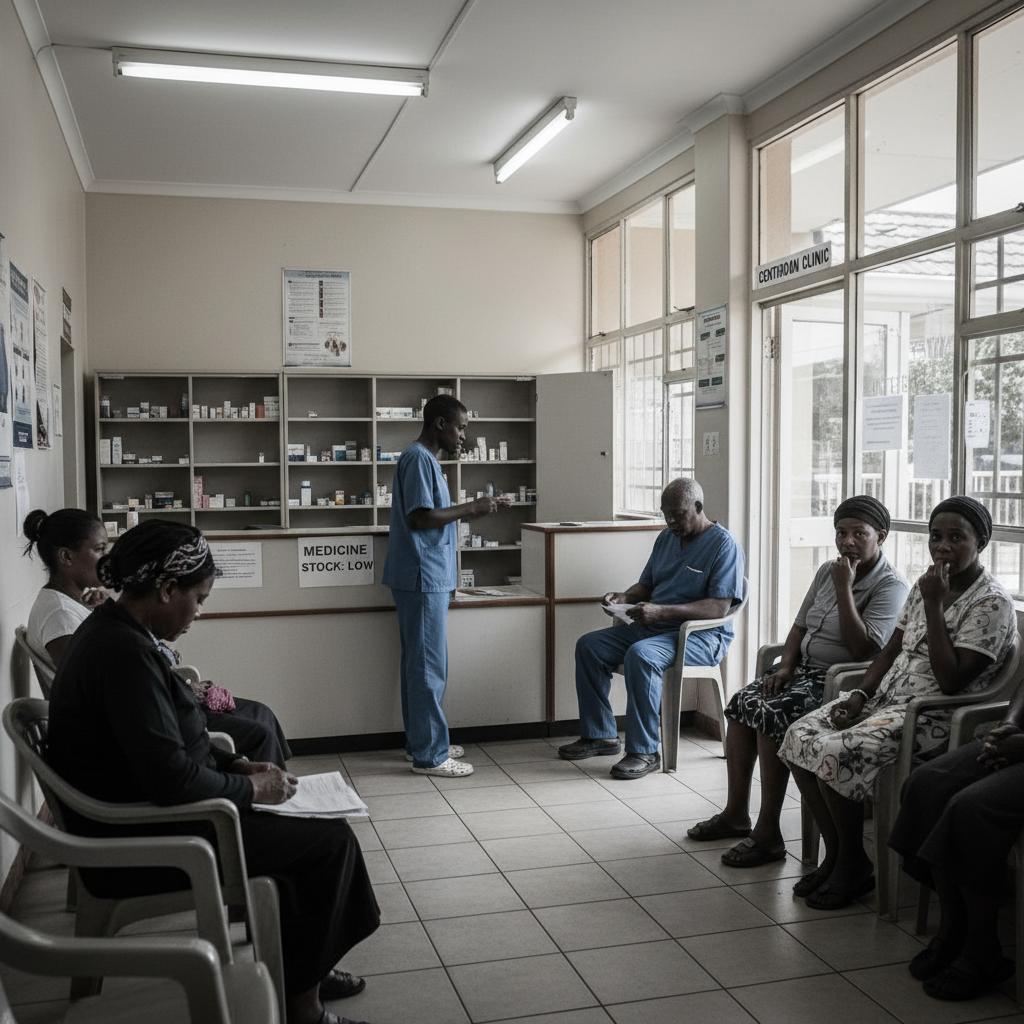
”Patients at public healthcare facilities in Mamelodi, Gauteng, are reporting shortages of essential medicines for chronic conditions, including asthma and high blood pressure, forcing some to purchase treatment privately or ration their supplies. The Gauteng Department of Health has acknowledged medicine supply challenges and cited supplier delays, procurement difficulties and changes to medicine contracts among the factors contributing to interruptions.”
Medicine shortages in Gauteng raise concerns over patient safety and continuity of care
South Africa’s public healthcare system is facing renewed scrutiny following reports that patients in Mamelodi, Pretoria, are struggling to obtain essential medicines for chronic conditions. The situation has raised concerns about patient safety, the affordability of treatment and the ability of public health facilities to maintain continuity of care for people who depend on daily medication.
According to a report published by TimesLIVE on 21 October 2026, patients attending public clinics in Mamelodi have experienced shortages of medicines used to manage conditions such as asthma and high blood pressure. Some have resorted to purchasing medicines from private pharmacies, while others have reported difficulties obtaining sufficient supplies through their usual healthcare facilities.
The reports highlight the consequences that medicine shortages can have for patients who rely on public healthcare services. For people living with chronic illnesses, access to prescribed treatment is not simply a matter of convenience. It is an important part of preventing complications, managing symptoms and maintaining their quality of life.
Patients face growing difficulties accessing essential medicines
Among the cases reported by TimesLIVE is that of Easther Chauke, whose mother and aunt receive treatment for high blood pressure at Mamelodi East Clinic. Chauke said the family had struggled to obtain enough medication to last the month.
According to her account, nurses had instructed her mother to divide tablets so that the available supply would last longer. The arrangement caused concern about whether the medication could be divided accurately and administered safely.
The report also described difficulties experienced by patients managing asthma. One patient said she sometimes had to purchase medicine from a private pharmacy at a cost of approximately R450 when the clinic did not have the necessary stock. Another patient, Lerato Marumo, described being hospitalised after arriving at a clinic during an asthma attack and discovering that her medication was unavailable. She subsequently took additional precautions to avoid running out of treatment.
These experiences illustrate how medicine availability can influence health outcomes. Patients who cannot obtain prescribed treatment may face additional expenses, disrupted routines and uncertainty about managing their conditions.
For households already dealing with limited incomes, buying medicines privately can create considerable financial pressure. The cost may compete with essential household expenses, including food, transport, electricity and school requirements.
Although individual accounts do not establish the full extent of medicine shortages across Gauteng, they demonstrate why reliable access to treatment remains an important public health priority.
Why chronic medicines are essential
Chronic conditions often require ongoing treatment rather than a short course of medication. High blood pressure, for example, can frequently be managed through prescribed medicines, lifestyle adjustments and regular medical monitoring.
When treatment is interrupted, blood pressure may become more difficult to control, increasing the risk of serious complications. These can include stroke, heart disease and kidney damage.
Asthma presents different risks. Patients may need prescribed controller medication to reduce airway inflammation, alongside reliever medication where appropriate. A shortage can leave someone without the treatment needed to control symptoms or respond to worsening breathing difficulties.
However, the risks depend on the medicine involved, the patient’s condition and the length of the interruption. Not every missed dose produces an immediate emergency, but patients should not have to make decisions about rationing essential treatment because supplies are unavailable.
Healthcare professionals generally recommend that patients follow their prescribed treatment plans and seek advice from a clinician or pharmacist when medication cannot be obtained.
Patients should not independently halve tablets, change doses, substitute medicines or discontinue treatment without professional guidance. Some tablets must not be split, while others require specific dosing schedules to maintain safe and effective treatment.
The reported experiences in Mamelodi therefore raise questions not only about medicine availability but also about whether patients receive timely, practical guidance when their prescribed medicines are out of stock.
Gauteng Department of Health acknowledges supply challenges
The Gauteng Department of Health has acknowledged that some public healthcare facilities are experiencing medicine supply difficulties.
Department spokesperson Steve Mabona identified several contributing factors, including changes to medicine contracts, supplier delays, procurement lead times, limited supplier participation and wider pressures affecting pharmaceutical supply chains.
The department said it was monitoring stock levels through the Stock Visibility System, which helps identify potential shortages and escalate supply concerns. It also works with the National Department of Health, suppliers, districts and healthcare facilities to address interruptions.
These explanations point to a complex process behind medicine distribution. Public facilities depend on procurement arrangements, manufacturers, wholesalers, transport systems and effective stock management. A disruption at one point in the chain can affect the availability of medicines at facilities serving large patient populations.
Contract changes and delayed deliveries may create gaps between the time existing stock runs low and replacement supplies arrive. Limited participation by suppliers can also make it harder to source particular products quickly.
Nevertheless, understanding the causes does not remove the need to protect patients from avoidable treatment interruptions. Health authorities must ensure that supply problems are identified early and that practical alternatives are available when clinically appropriate.
Alternative medicines and emergency supply measures
The Gauteng department has said that the temporary unavailability of a particular brand, pack size or supplier’s product does not necessarily mean that all suitable treatment is unavailable.
According to the department, its Medicine Availability and Escalation Protocol allows for alternative pack sizes, strengths and clinically appropriate therapeutic alternatives in accordance with approved standard treatment guidelines. Available stock may also be moved between facilities or districts to improve access and reduce wastage.
These measures can help healthcare facilities manage shortages, but alternatives must be selected carefully.
Medicines that appear different may contain the same active ingredient and strength, particularly when public facilities source equivalent products from different approved manufacturers. However, patients should not assume that two medicines are interchangeable simply because their packaging looks similar.
A change in medicine, formulation, strength or dosing instructions should be explained by an authorised healthcare professional. This is especially important for patients who take several medicines or have difficulty reading labels, remembering schedules or managing treatment without assistance.
Where a clinically suitable alternative exists, clear communication can help patients understand what has changed and how to take their treatment safely.
Where no suitable alternative is immediately available, patients need timely advice about the next steps, including where to obtain assistance and when urgent medical assessment may be necessary.
Financial pressure on vulnerable households
The reported shortages also highlight the relationship between access to healthcare and household finances.
South Africa’s public healthcare system serves many people who cannot afford private medical care or regular purchases from retail pharmacies. When public facilities cannot supply prescribed medicines, some patients may have little financial capacity to obtain them elsewhere.
The approximately R450 expenditure reported by one asthma patient illustrates the potential burden of having to buy medicine privately. The actual cost of treatment varies according to the product, prescription and quantity required, so this figure should not be treated as a universal price.
For patients managing several chronic conditions, repeated private purchases may become unaffordable. Some households may prioritise one prescription over another, delay refilling medicines or seek assistance from family members.
Such decisions can increase the risk of deteriorating health and may eventually result in additional demand for emergency services or hospital treatment.
The consequences can extend beyond individual patients. Family members may need to take time away from work to search for medicines, accompany relatives to different facilities or provide care when a condition becomes difficult to manage.
Preventing shortages and resolving them quickly is therefore important not only for clinical reasons but also for reducing unnecessary financial and social pressure.
Improving procurement and medicine stock management
The current concerns underline the importance of stronger medicine procurement and distribution systems.
One priority is early identification of medicines that are likely to run out. Accurate stock records can help facilities recognise declining supplies before patients arrive for appointments and discover that their prescriptions cannot be filled.
The department’s Stock Visibility System is intended to support monitoring and escalation. Its effectiveness depends on reliable information from healthcare facilities, timely reporting and action when potential shortages are identified.
Procurement planning is another important consideration. Authorities and suppliers need to anticipate demand, account for delivery lead times and respond quickly when contracted suppliers cannot meet their obligations.
Where appropriate, approved alternative suppliers may help maintain access to essential products. However, emergency purchasing and transfers between facilities must be managed transparently and in accordance with applicable procurement requirements.
Stock redistribution can provide temporary relief, particularly when one facility has surplus supplies while another faces an immediate shortage. Yet redistribution cannot solve a wider shortage if insufficient medicine is available across the system.
Longer-term improvements may require closer coordination between provincial and national health authorities, more accurate demand forecasting, effective contract management and stronger communication with suppliers.
Patient communication must remain a priority
When medicines are unavailable, patients need understandable information about their options.
A patient who arrives at a clinic expecting a monthly prescription should be told whether the medicine is temporarily unavailable, whether an approved alternative can be provided and when further supplies may arrive if that information is known.
Clear communication can reduce uncertainty and help patients avoid unsafe decisions. It can also allow healthcare workers to identify people who are at particular risk because of severe symptoms, complex treatment requirements or an inability to afford private alternatives.
Patients should be encouraged to contact their clinic or pharmacist if a prescribed medicine is unavailable. Anyone experiencing severe breathing difficulty, chest pain, signs of a stroke or another medical emergency should seek urgent medical care rather than wait for routine stock replenishment.
Health facilities should also have accessible procedures for escalating unresolved problems, particularly when repeated shortages affect the same patients or medicines.
Accountability and the road ahead
The reports from Mamelodi raise important questions about how quickly medicine shortages are identified, how effectively alternative supplies are arranged and how patients are protected while disruptions continue.
The Gauteng Department of Health has acknowledged the supply challenges and described measures intended to minimise interruptions. The immediate priority is to ensure that those measures translate into reliable access to prescribed treatment at the facilities where patients receive care.
Public reporting and transparent updates can help patients understand the situation and enable communities to assess whether corrective measures are working. Useful information would include which medicines are affected, where shortages are occurring, what alternatives are available and how long replenishment is expected to take when that information can be confirmed.
It is equally important to distinguish temporary problems affecting a particular product from shortages that leave patients without a clinically appropriate treatment option. The difference has direct implications for patient safety and the urgency of the response.
For now, the accounts emerging from Mamelodi show the human impact of medicine supply problems. Patients managing chronic illnesses need predictable access to treatment, clear guidance and confidence that their health will not depend on whether a clinic happens to have stock on the day they arrive.
South Africa’s public healthcare system faces continuing operational and financial pressures, but maintaining access to essential medicines remains fundamental to effective healthcare. Better procurement, early stock monitoring, appropriate alternatives and patient-centred communication will be essential to reducing the risk of further interruptions.
The central issue is continuity of care: patients need medicines that are available when prescribed, and health authorities need systems capable of responding quickly when supplies are disrupted. Until those needs are consistently met, medicine shortages will remain a serious concern for vulnerable households and the healthcare professionals responsible for their treatment.



