




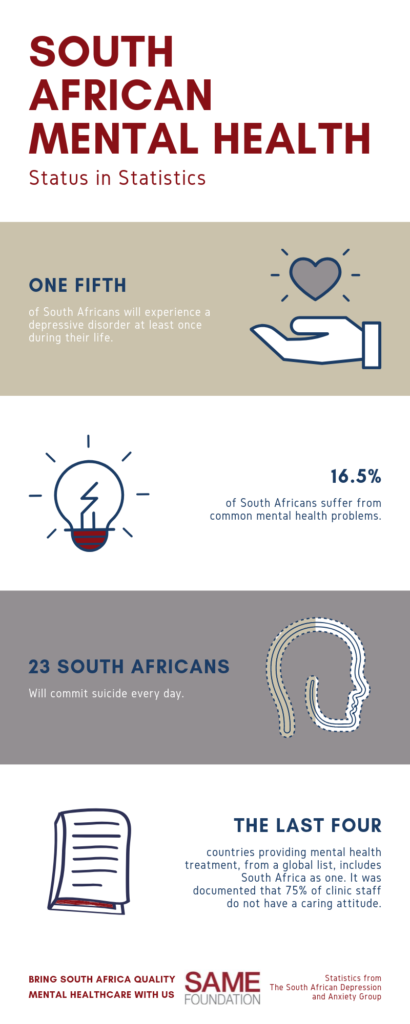
“South Africa is facing a growing mental health crisis among men, with nearly 80% of suicides involving male victims. Advocacy groups and government departments are calling for urgent action to address stigma, provide tailored support, and expand programs for men and boys.”
South Africa is grappling with a mental health crisis that has reached alarming proportions, particularly among men. Recent reports reveal that nearly 80% of recorded suicides in the country involve men, underscoring the urgent need for targeted interventions and systemic change. The Department of Women, Youth and Persons with Disabilities has gone so far as to describe the situation as a “silent national emergency”, highlighting the devastating impact of untreated depression, anxiety, and substance abuse among male populations.
The Scope of the Crisis
The statistics are stark: men are significantly more likely to die by suicide than women, despite women being more likely to report mental health struggles. According to the South African Depression and Anxiety Group (Sadag), one in four men is four times more likely to die by suicide compared to women. Yet, cultural and social norms continue to discourage men from seeking help, reinforcing the stigma that mental health challenges are a sign of weakness.
Voices from the Community
TT Mbha, founder of the Amatyma Brotherhood Circle, has criticized the lack of programs specifically designed for men and boys. He argues that while initiatives such as “Take a Girl Child to Work” have made strides in empowering young women, boys are often left behind, leading to rebellion, bullying, and ultimately, mental health struggles. “Government, please focus on us as men,” Mbha pleaded, emphasizing the need for inclusive policies that address the unique challenges faced by men.
Personal testimonies further illustrate the human toll of this crisis. Ofentse Tabane, a 36-year-old South African, described his battle with depression as “walking in a tunnel on hot coal, not knowing when the heat will stop.” His journey into therapy revealed the depth of his struggles and the importance of professional support. Stories like Tabane’s highlight the loneliness and darkness that often accompany untreated mental illness, reinforcing the need for accessible and destigmatized care.
Government and Advocacy Efforts
While the government has introduced programs aimed at addressing mental health challenges, critics argue that these efforts remain insufficient. Sadag reports receiving between 1,500 and 3,000 calls per day, the majority from women seeking help for their male partners or loved ones. This imbalance reflects the reluctance of men to reach out directly, a barrier that must be dismantled through awareness campaigns and community-based interventions.
June, observed as Men’s Mental Health Awareness Month, provides a crucial opportunity to spotlight these issues. Advocacy groups are pushing for expanded outreach, school-based counseling, and workplace programs that normalize conversations about mental health. By encouraging men to speak openly about their struggles, South Africa can begin to chip away at the stigma that has long silenced them.
The Way Forward
Experts emphasize that tackling this crisis requires a multi-pronged approach. First, public awareness campaigns must challenge harmful stereotypes that equate vulnerability with weakness. Second, healthcare systems must expand access to affordable therapy and counseling, particularly in underserved communities. Third, schools and workplaces should integrate mental health education into their structures, ensuring that young boys and men grow up with the tools to manage stress and emotional challenges.
Community organizations also play a vital role. Brotherhood circles, peer support groups, and grassroots NGOs can provide safe spaces for men to share their experiences without fear of judgment. By fostering solidarity and empathy, these initiatives can counteract the isolation that often drives men toward despair.
Conclusion
South Africa’s mental health crisis among men is not just a medical issue—it is a societal challenge that demands collective action. With suicide rates disproportionately affecting men, the urgency of the situation cannot be overstated. As Men’s Mental Health Awareness Month continues, the call to action is clear: South Africa must prioritize men’s mental health, dismantle stigma, and build inclusive support systems that save lives.



