




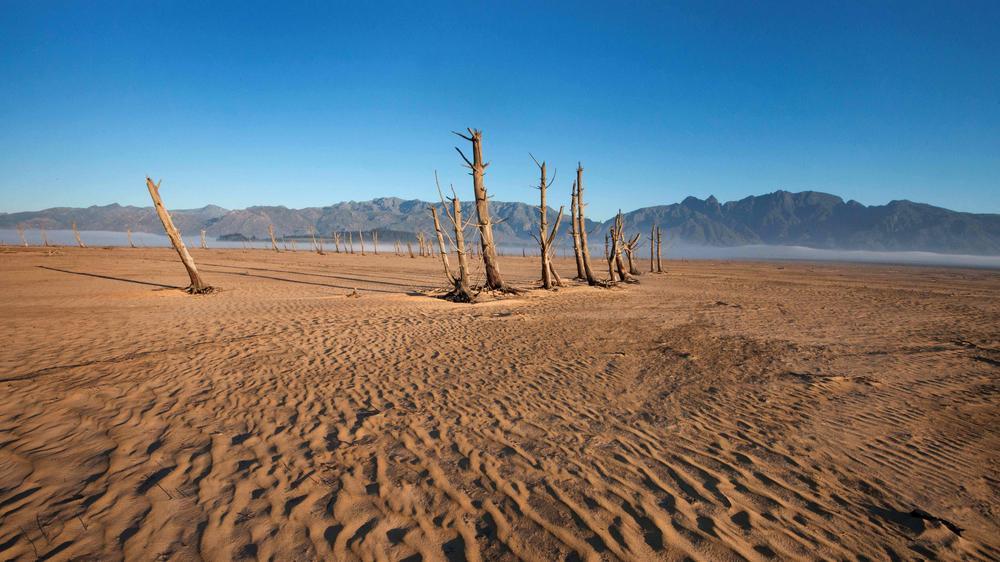
“The United Nations COP31 climate summit opened in Antalya, Türkiye, on 9 November 2026, as scientists warned that accelerating global heating is increasing the risks of extreme weather, drought, flooding and rising sea levels. South Africa is using the international negotiations to advocate stronger climate adaptation finance, practical resilience measures, equitable international cooperation and a just transition that protects vulnerable communities while supporting economic development.”
COP31 Opens as South Africa Pushes for Climate Adaptation Finance and Stronger Environmental Resilience
Global climate emergency puts South Africa’s environmental priorities under international spotlight
ANTALYA, TÜRKİYE / JOHANNESBURG – The opening of the United Nations COP31 climate conference on Monday, 9 November 2026, has placed environmental resilience, climate adaptation financing and the future of global climate cooperation at the centre of international discussions. South Africa is entering the negotiations with renewed calls for practical climate action, increased financial assistance for developing economies and stronger measures to protect communities against increasingly severe environmental challenges.
The 31st Conference of the Parties to the United Nations Framework Convention on Climate Change is taking place in Antalya, Türkiye, from 9 to 20 November. Delegates from nearly 200 countries are expected to participate in discussions addressing greenhouse gas emissions, renewable energy, climate adaptation, environmental protection and international climate finance.
The summit arrives at a critical moment for environmental science. According to the World Meteorological Organization’s State of the Climate Update 2026, the past 12 years have been the warmest on record, while the four years from 2023 through 2026 are expected to rank among the hottest globally.
Between January and September 2026, global average temperatures were approximately 1.47°C above the pre-industrial average. The WMO also reported record ocean heat accumulation and rising sea levels, reinforcing scientific concerns about the accelerating impacts of climate change.
South Africa prioritises adaptation and climate resilience
For South Africa, COP31 represents an opportunity to strengthen international cooperation on environmental challenges that increasingly affect water security, agriculture, infrastructure, economic development and community livelihoods.
Minister of Forestry, Fisheries and the Environment David Maynier outlined South Africa’s negotiating priorities during a national stakeholder consultation held in Johannesburg on 16 October 2026.
The country is advocating improved international climate finance, greater support for adaptation initiatives and stronger mechanisms to ensure that developing countries can implement climate commitments without undermining their development objectives.
South Africa also wants climate negotiations to recognise that environmental protection cannot be separated from poverty reduction, industrialisation, employment creation and economic transformation.
The government has emphasised that climate action must support a just transition, ensuring that workers, vulnerable communities and industries affected by environmental changes or the transition away from fossil fuels receive meaningful support.
Climate adaptation becomes an urgent environmental priority
Climate adaptation is emerging as one of the most important issues for South Africa’s participation in COP31.
Unlike mitigation, which focuses primarily on reducing greenhouse gas emissions, adaptation involves preparing communities, infrastructure, ecosystems and economic systems for environmental changes that are already occurring or are expected to intensify.
South Africa faces a range of climate-related vulnerabilities, including drought, extreme rainfall, flooding, heatwaves and water shortages.
These challenges can affect agricultural productivity, food security, transport infrastructure, public health, electricity infrastructure and economic stability.
In agricultural communities, changing rainfall patterns and prolonged droughts can reduce crop yields, increase production costs and threaten household incomes.
Flooding, meanwhile, can destroy roads, bridges, housing and public infrastructure while disrupting transportation and commercial activities.
Climate adaptation therefore requires more than emergency responses after disasters occur. It involves long-term planning, investment in resilient infrastructure, improved environmental monitoring, early-warning systems and stronger community preparedness.
South Africa intends to advocate international progress on the Global Goal on Adaptation and the development of adaptation indicators that can help countries measure environmental resilience and the effectiveness of their interventions.
The country is also supporting discussions on establishing a benchmark for tripling adaptation finance by 2035, alongside mechanisms to monitor progress towards that objective.
Global climate science highlights increasing environmental risks
The opening of COP31 coincides with significant scientific warnings about the changing climate.
The WMO’s latest assessment indicates that Earth’s energy imbalance has increased substantially, meaning more energy is entering the climate system than is leaving it.
The oceans absorb approximately 90% of the excess heat associated with global warming. Consequently, rising ocean temperatures contribute to marine ecosystem disruption, sea-level rise and changing weather patterns.
The WMO reported that ocean heat reached its highest level for the tenth consecutive year in 2026.
Sea-level rise is particularly concerning for coastal communities, infrastructure and ecosystems. Approximately 900 million people worldwide live in low-lying coastal areas exposed to increasing sea-level risks.
Scientists have also highlighted the potential influence of an unusually strong El Niño developing during 2026 and 2027.
El Niño can influence temperatures and rainfall patterns across different regions, potentially intensifying existing environmental pressures. However, its impacts vary geographically, and climate change can amplify the effects of certain weather extremes.
For South Africa, these developments reinforce the importance of climate research, water management, agricultural adaptation and environmental planning.
Climate finance remains central to developing countries
One of the major challenges confronting COP31 is the financing gap between climate commitments and the resources available to implement them.
Developing countries frequently face substantial costs associated with environmental protection, renewable energy development, infrastructure resilience and disaster recovery.
South Africa is advocating predictable and accessible climate finance through international mechanisms, including the Green Climate Fund, Global Environment Facility and Adaptation Fund.
The country’s position emphasises that developing economies require financial support, technology transfer and capacity-building assistance to implement climate programmes effectively.
South Africa is also concerned about international trade measures that could negatively affect developing countries’ access to markets and participation in lower-carbon industrial production.
These concerns reflect the broader debate about how environmental responsibilities should be distributed between developed and developing economies.
South Africa supports the principle that countries with greater historical contributions to greenhouse gas emissions and stronger financial capabilities should provide meaningful assistance to countries facing significant climate vulnerabilities.
Renewable energy and the transition towards sustainable development
The international climate negotiations are also taking place against a backdrop of geopolitical tensions, energy-market uncertainty and changing investment priorities.
COP31 discussions are expected to address the acceleration of renewable energy deployment, electricity infrastructure development and energy efficiency.
Türkiye has promoted a global electrification pledge aimed at increasing electricity’s share of final energy consumption to 35% by 2035, supported by renewable energy, improved electricity grids, storage and clean transport.
South Africa’s energy transition remains closely connected to its environmental and economic objectives.
The country is seeking to improve electricity reliability, attract investment into clean energy and strengthen industrial competitiveness while ensuring that vulnerable households are protected from rising energy costs.
Renewable energy investments can contribute to reduced greenhouse gas emissions, improved energy security and opportunities for employment in emerging industries.
However, the transition requires substantial infrastructure investment, skills development, financing and policies that support affected workers and communities.
South Africa’s just-transition approach seeks to balance environmental sustainability with economic transformation and social protection.
Environmental protection must extend beyond climate negotiations
Although climate change dominates COP31, South Africa’s environmental priorities also include biodiversity conservation, ecosystem restoration, pollution prevention and sustainable natural-resource management.
The country’s environmental policy recognises the importance of protecting wetlands, forests, rivers, grasslands, coastal ecosystems and wildlife habitats.
Healthy ecosystems can support climate adaptation by regulating water flows, protecting biodiversity, reducing erosion and helping communities manage environmental risks.
Conservation initiatives also contribute to tourism, rural livelihoods and economic development.
South Africa’s environmental authorities have continued to emphasise the importance of scientific research and evidence-based decision-making in managing natural resources.
The relationship between climate change and biodiversity loss makes coordinated environmental policies increasingly important.
Protecting ecosystems can strengthen resilience against climate impacts while supporting broader sustainability objectives.
African countries seek stronger influence in global climate decisions
South Africa’s COP31 participation also reflects wider African demands for equitable climate finance and greater influence in international environmental negotiations.
African countries face considerable environmental vulnerabilities despite contributing comparatively little to historical global greenhouse gas emissions.
Droughts, flooding, agricultural disruption, water insecurity and ecosystem degradation can undermine economic development and threaten livelihoods across the continent.
African climate advocates have called for increased access to grants, improved representation in climate decision-making and international support for locally appropriate environmental solutions.
The continent’s climate priorities include adaptation financing, renewable energy development, resilient agriculture, water infrastructure and protection of vulnerable communities.
South Africa’s negotiating position is therefore connected to broader African efforts to ensure that international climate agreements deliver practical benefits rather than remaining declarations of political ambition.
From international commitments to measurable environmental outcomes
A central question emerging from COP31 is whether countries can translate climate commitments into measurable improvements in environmental conditions and community resilience.
South Africa has emphasised accountability, monitoring and implementation as important components of its climate policy.
Climate programmes must demonstrate tangible outcomes, including improved water security, stronger infrastructure, reduced environmental vulnerability, employment opportunities and better protection for affected communities.
Adaptation projects also require effective coordination between national government, municipalities, businesses, researchers, communities and financial institutions.
The Presidential Climate Commission and other stakeholders are engaging internationally to share lessons about climate investment, just-transition planning and the measurement of social and environmental outcomes.
These efforts are intended to strengthen the relationship between international climate negotiations and domestic implementation.
The success of climate policies will ultimately depend on whether communities experience meaningful improvements in their ability to withstand environmental pressures.
COP31 offers an opportunity to strengthen environmental resilience
The opening of COP31 marks an important moment for global environmental cooperation.
For South Africa, the negotiations provide an opportunity to advance climate adaptation financing, improve international cooperation and strengthen policies supporting sustainable development.
The scientific warnings surrounding global temperatures, ocean heat and sea-level rise demonstrate the urgency of addressing environmental risks.
However, the effectiveness of international climate negotiations will depend on the resources, policies and practical actions that follow the summit.
South Africa’s priorities reflect a growing recognition that climate resilience is essential for economic stability, environmental protection and social development.
As negotiations continue in Antalya, the country will seek international support for a climate response that is scientifically informed, financially sustainable and socially equitable.
The challenge facing governments is no longer simply to acknowledge climate change, but to implement measures capable of protecting ecosystems, communities and future generations.
For South Africa and the wider African continent, COP31 represents an opportunity to strengthen environmental resilience while ensuring that climate action contributes to inclusive and sustainable development.



