




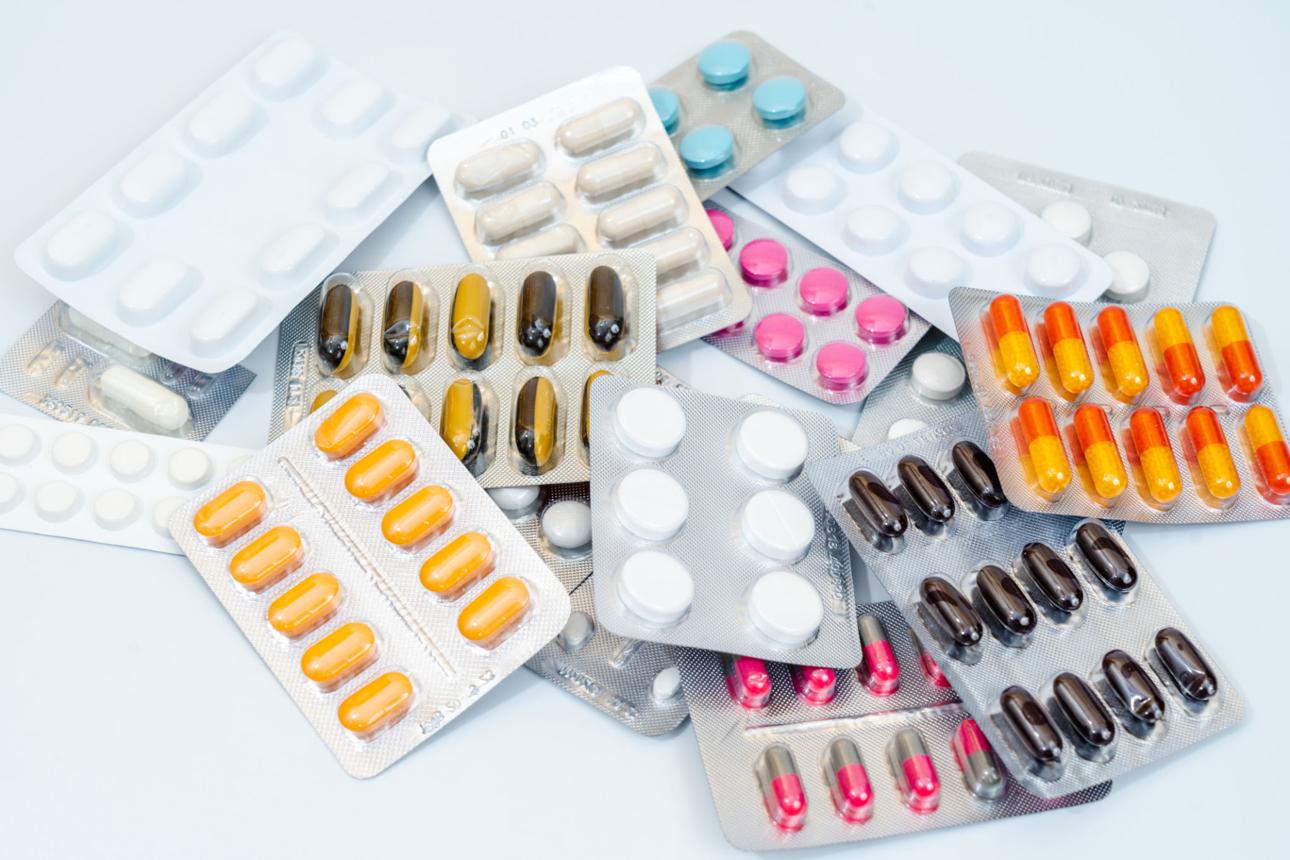
“The South African Society of Psychiatrists (SASOP) has called on Health Minister Aaron Motsoaledi to investigate widespread shortages of essential psychiatric medicines affecting public healthcare facilities across the country. The shortages are threatening continuity of treatment for patients with schizophrenia, bipolar disorder and major depressive disorder, increasing the risk of relapse, hospitalisation and pressure on already strained psychiatric services.”
South Africa’s Psychiatric Medicine Shortages Raise Alarm as Patients Face Relapse Risks
South Africa’s public healthcare system is facing renewed pressure as shortages of essential psychiatric medicines threaten the treatment of people living with serious mental illnesses. The South African Society of Psychiatrists (SASOP) has called for urgent intervention by Health Minister Aaron Motsoaledi, warning that patients across several provinces are experiencing difficulties accessing medicines needed to maintain their mental health and prevent potentially devastating relapses.
The concerns, highlighted in reporting published on 9 November 2026, point to a medicine-supply problem that has become increasingly serious over recent months. Psychiatrists have reported shortages affecting public healthcare facilities in Gauteng, KwaZulu-Natal, the Western Cape and the Eastern Cape, although SASOP believes the problem extends across the country.
Psychiatric medicines increasingly difficult to obtain
SASOP says its members have been reporting shortages of psychiatric medicines for several months. The difficulties reportedly began becoming widespread around June 2026, with healthcare professionals raising concerns about the availability of treatments used for different mental health conditions.
Among the medicines identified as affected are antipsychotics such as risperidone, olanzapine, aripiprazole, quetiapine, amisulpride and chlorpromazine. Other reported shortages involve antidepressants, including fluoxetine and amitriptyline, as well as lorazepam injections used in certain acute psychiatric situations.
Orphenadrine, a medicine sometimes used to manage medication-related movement side effects, has also featured among the reported supply problems.
SASOP’s past president, Dr Mvuyiso Talatala, has cautioned that the list of affected medicines may not be comprehensive. The society has received complaints from psychiatrists without conducting a complete formal national survey of every unavailable medicine.
This means the reported shortages could represent only part of the actual situation experienced by public-sector psychiatric services.
The breadth of the problem is particularly concerning because the medicines involved are manufactured by different pharmaceutical companies and serve different therapeutic purposes. According to SASOP, the number and diversity of medicines affected make it difficult to attribute the situation to one isolated supply interruption.
Patients face serious risks when treatment is interrupted
Psychiatric medicines play an important role in controlling symptoms, supporting recovery and maintaining stability for many people living with serious mental illnesses.
For patients with schizophrenia, bipolar disorder or major depressive disorder, maintaining a prescribed treatment regimen can be particularly important. Interruptions may contribute to a deterioration in symptoms, depending on the individual’s condition, medicine and clinical circumstances.
SASOP has warned that patients unable to obtain their usual medication risk experiencing relapses. These episodes can affect their overall wellbeing, relationships, ability to function and need for further medical assistance.
The consequences extend beyond individual patients. A relapse may require urgent psychiatric assessment, additional treatment or admission to hospital. Where patients require inpatient care, medicine shortages can contribute to an already difficult situation involving limited psychiatric beds and high demand for specialist services.
The society has therefore described the impact of the shortages as devastating for patients, healthcare facilities and communities.
For families, the situation can also create uncertainty and anxiety. Relatives who support people living with mental illness may find themselves trying to locate unavailable medicines, communicate with healthcare facilities or manage the consequences of treatment interruptions.
These challenges demonstrate why reliable medicine supplies are essential to maintaining continuity of mental healthcare.
Switching medicines is not always a simple solution
One of the most significant concerns raised by psychiatrists is that alternative medicines cannot always replace a patient’s usual treatment without difficulties.
Although different psychiatric medicines may be prescribed for similar conditions, they do not necessarily produce identical clinical effects. Patients may respond differently to individual treatments, and medicines can have different side-effect profiles.
Talatala has explained that a medicine theoretically suitable as an alternative may not work equally well for a particular patient.
For example, amisulpride may sometimes be considered when olanzapine is unavailable. However, the two medicines have different characteristics, and an individual who has achieved stability on one may not respond in the same way to the other.
Alternative medicines may also be difficult to obtain when shortages affect several products simultaneously.
Changing treatment can require medical assessment, adjustments to dosage and careful monitoring. Depending on the circumstances, patients may need specialist supervision while transitioning between medicines.
Consequently, healthcare professionals cannot always solve medicine shortages simply by substituting another drug from the same therapeutic category.
The risks associated with poorly managed changes underline the importance of ensuring that prescribed treatments remain available wherever possible.
Hospital pressure could worsen as psychiatric patients relapse
SASOP has warned that medicine shortages could increase pressure on psychiatric hospital services.
When patients experience serious relapses, they may require inpatient treatment. However, psychiatric facilities are already facing considerable demand for beds, creating challenges for patients who need admission.
The society says some patients needing psychiatric hospitalisation may consequently spend extended periods waiting in emergency departments.
Emergency departments are designed primarily to provide assessment and stabilisation for urgent medical conditions. They are not intended to function as psychiatric inpatient wards for prolonged periods.
Patients waiting for psychiatric beds may therefore encounter unsuitable conditions, while emergency healthcare workers may lack the specialised resources and training required to provide comprehensive psychiatric inpatient care.
This situation can also affect other patients requiring emergency treatment.
When emergency departments are occupied by patients waiting for psychiatric admission, the availability of space and resources for other medical emergencies may be compromised.
SASOP has consequently linked the medicine shortages to broader concerns about patient safety, dignity and the functioning of the healthcare system.
The society believes that preventing avoidable relapses through reliable access to psychiatric medicines would help reduce pressure on already constrained services.
Concerns over explanations for the shortages
Healthcare officials and provincial departments have reportedly provided several explanations for the shortages, including procurement difficulties, delayed medicine orders, manufacturing disruptions and international supply-chain problems.
Some pharmaceutical production facilities have experienced regulatory difficulties, while disruptions affecting international shipping routes have also been cited as possible contributors.
Nevertheless, SASOP has questioned whether these explanations adequately account for the simultaneous shortages of medicines produced by numerous pharmaceutical companies.
The organisation believes a more comprehensive investigation is necessary to establish the causes and determine which interventions would restore reliable supply.
The national medicine shortage problem has also been documented beyond psychiatric services.
A report published by TimesLIVE on 5 November described widespread shortages affecting medicines used for cancer, HIV, mental health conditions and noncommunicable diseases. The report indicated that the Department of Health’s October shortage hotlist identified 165 critical medicine products.
This broader context suggests that psychiatric medicine shortages are part of a larger public-sector pharmaceutical supply challenge rather than an isolated problem affecting one specialty.
Medicine procurement and manufacturing challenges
South Africa’s medicine supply depends on several interconnected processes, including pharmaceutical manufacturing, regulatory compliance, procurement contracts, transportation, distribution and payment arrangements.
Disruptions at any stage can affect the availability of medicines at public hospitals and clinics.
The national medicine shortage reporting has identified several contributing factors, including difficulties with supplier payments, production interruptions and procurement arrangements that may not adequately support continuous supply.
The Pharmaceutical Task Group has previously raised concerns about the sustainability of government medicine tender arrangements. Industry representatives have argued that unpredictable demand and procurement cycles can make it difficult for manufacturers to maintain consistent production capacity.
Meanwhile, some manufacturers have reportedly struggled to meet regulatory requirements, resulting in production interruptions.
International supply-chain disruptions can further complicate the situation, particularly where medicines or pharmaceutical ingredients must be imported.
These factors illustrate the complexity of maintaining dependable medicine availability across a large public healthcare system.
However, patients ultimately experience the consequences at the point of care, when prescribed treatments are unavailable at pharmacies or healthcare facilities.
Patients sometimes turn to private pharmacies
Some patients and families have reportedly been advised to obtain unavailable medicines through private pharmacies where they can afford to do so.
This creates an additional financial burden for households that depend on public healthcare services because of limited resources.
Patients receiving treatment through public hospitals and clinics may not have the financial capacity to purchase medicines privately, especially when treatment requires repeated prescriptions over extended periods.
SASOP has also raised concerns that some hospital managers have reportedly prevented psychiatrists from issuing private prescriptions to families willing to purchase unavailable medicines.
The organisation believes that appropriately managed alternative access arrangements could sometimes help patients maintain treatment while public-sector shortages are addressed.
However, private purchasing is not a sustainable substitute for dependable public medicine procurement. It may be inaccessible to low-income households and can deepen inequalities between patients who can afford treatment and those who cannot.
The situation therefore raises questions about how healthcare facilities should support patients when prescribed medicines are temporarily unavailable.
Clear communication, clinically appropriate alternatives and coordinated supply arrangements are essential to minimise treatment disruption.
SASOP calls for urgent ministerial intervention
SASOP has called on Health Minister Aaron Motsoaledi to investigate the shortages and urgently identify solutions.
The organisation says it is available to engage with the minister and assist in resolving the problem.
Its appeal comes amid growing concern about the consequences of prolonged medicine shortages for patients, healthcare professionals and families.
A comprehensive investigation could help establish the scale of the shortages, identify the medicines most urgently required and determine whether procurement, manufacturing, distribution or payment problems are responsible for particular disruptions.
It could also clarify whether provincial facilities have sufficient mechanisms to communicate medicine availability to patients and healthcare professionals.
The Department of Health has been approached for comment in earlier reporting, although a response had not been received at the time of publication of the TimesLIVE report on 6 November.
Regional pharmaceutical cooperation offers a longer-term opportunity
South Africa is also participating in regional discussions aimed at strengthening pharmaceutical supply systems.
The SADC Health Ministers’ meeting taking place in Durban on 9 November includes pharmaceutical manufacturing, pooled procurement and regional health security among its priorities.
According to SAnews, ministers are considering ways to strengthen regional production of medicines, vaccines and diagnostics while improving affordability and supply security.
The proposed SADC Pharmaceutical Pooled Procurement Services initiative is intended to use collective purchasing power to improve medicine affordability and make demand more predictable for regional manufacturers.
These measures could potentially support more resilient medicine supply arrangements over time, although they are not an immediate solution to the psychiatric medicine shortages currently affecting patients.
Reliable medicine access remains essential
South Africa’s psychiatric medicine shortages highlight the importance of dependable pharmaceutical supply in maintaining public healthcare services.
For patients living with schizophrenia, bipolar disorder and major depressive disorder, access to prescribed treatment can be fundamental to maintaining stability and preventing serious deterioration.
The reported shortages demonstrate how disruptions in medicine procurement and distribution can have consequences extending beyond pharmacy shelves into hospital capacity, patient safety and family wellbeing.
SASOP’s appeal for urgent intervention places renewed attention on the need to investigate the shortages, improve supply continuity and ensure that patients receive appropriate treatment.
Ultimately, restoring dependable access to psychiatric medicines will require coordinated action by government, healthcare facilities, pharmaceutical manufacturers and medicine suppliers.
The immediate priority remains protecting patients from avoidable treatment interruptions while establishing a more resilient system capable of delivering essential medicines consistently.