




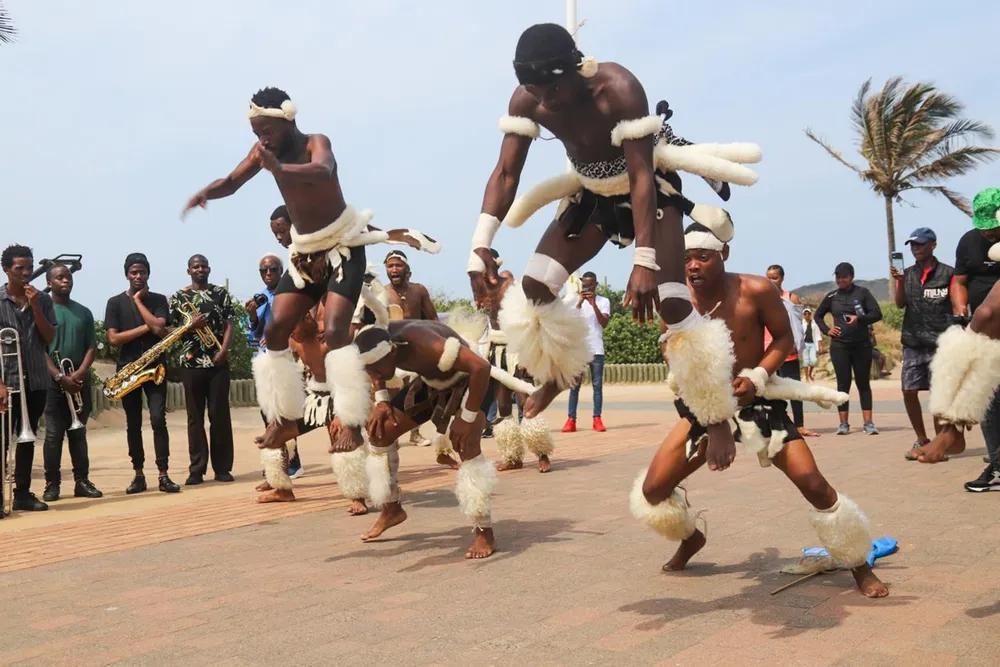
“Durban Tourism has unveiled a summer programme bringing together music festivals, township experiences, heritage attractions and celebrations running into January, reinforcing culture as an important part of the city’s tourism offering. Among the highlights are Gagasi FM Beach Fest, Sean Paul’s Durban performance, Afro-house events, the Inanda Heritage Route, Victoria Street Market, Ricksha Bus tours and other experiences designed to encourage visitors to explore the city beyond its beaches.”
Durban’s Summer Tourism Programme Turns Culture Into a Major Travel Attraction
Durban is preparing for another busy summer tourism season, but the city’s latest programme suggests that visitors will be offered much more than its famous beaches and warm subtropical climate. Music, heritage, township experiences, food, entertainment and community culture are increasingly being positioned as central components of the Durban travel experience.
The development was highlighted on 6 October 2026 following the publication of a new overview of Durban Tourism’s summer programme. The programme, unveiled at a tourism launch at Tyler’s in Umdloti on 30 September, brings together major music events, cultural experiences and attractions expected to shape the city’s tourism calendar through the festive season and into January.
The announcement is significant because cultural tourism has become an increasingly important way for destinations to distinguish themselves in a competitive travel market. Rather than simply attracting visitors to beaches, hotels and conventional sightseeing attractions, Durban is promoting experiences that allow travellers to interact with the city’s history, communities, music, food and traditions.
This approach reflects a wider tourism strategy in South Africa, where culture and heritage are being presented alongside wildlife, adventure, food and hospitality as major reasons for visitors to travel. Tourism Minister Patricia de Lille has similarly described South Africa as a destination offering wildlife, beaches, culture, heritage, food and wine, adventure, wellness, business events and rural and township experiences.
Music Becomes a Gateway to Durban’s Culture
One of the strongest features of the new summer programme is its emphasis on live music. According to the latest programme overview, the first weekend of December could provide visitors with a particularly busy cultural experience, with the Gagasi FM Beach Fest scheduled for 5 December at Moses Mabhida People’s Park, followed by international dancehall artist Sean Paul performing at the Durban ICC on 6 December.
The programme also highlights Usuku Lomshunqo at KwaMashu’s Princess Magogo Stadium on 28 November and the INK-Kasi Xperience at the same venue on 19 December. Afro-house enthusiasts are also expected to have the Anywhere In Your City music festival on 19 and 20 December at Moses Mabhida People’s Park.
These events are more than entertainment opportunities. For travellers, music festivals can provide an accessible introduction to the character of a destination. A visitor attending a concert may also eat local food, use local transport, stay in nearby accommodation, visit attractions and interact with residents.
That makes music an important part of the tourism economy.
Durban Tourism’s official events platform currently lists numerous cultural and entertainment activities, including Maskandi Fest Durban, township music festivals, theatre, concerts and other experiences. This demonstrates how the city’s cultural calendar is becoming increasingly diverse.
Heritage Experiences Expand the Meaning of Travel
While music provides major headline attractions, Durban’s summer programme also encourages visitors to experience the city through its heritage.
Among the experiences highlighted are the Inanda Heritage Route, Victoria Street Market, Ricksha Bus tours and Point Waterfront gondola cruises. The Durban Botanic Gardens’ Trail of Lights is also included in the wider programme, although specific dates and ticket information were still to be confirmed in the latest report.
The Inanda Heritage Route is particularly important within a culture-focused tourism strategy because heritage tourism allows visitors to understand places through their historical development and communities rather than simply observing them as sightseeing destinations.
Victoria Street Market, meanwhile, represents another dimension of cultural travel, connecting tourism with food, shopping and the multicultural character of Durban.
The combination is important because travellers increasingly look for experiences rather than simply destinations. A beach can attract visitors, but cultural experiences can encourage them to stay longer, spend more locally and develop a deeper understanding of the communities they visit.
Township and Community Tourism Take a Bigger Role
Another important feature of Durban’s programme is the inclusion of township and community-based experiences.
The summer calendar includes events in places such as KwaMashu, demonstrating that tourism activity is not being confined to the city’s conventional beachfront and commercial tourism zones. This matters because distributing tourism across different communities can create opportunities for small businesses, performers, traders, restaurants, transport providers and other local enterprises.
South Africa’s tourism authorities have increasingly emphasised the importance of rural and township experiences as part of the country’s broader tourism proposition. The national tourism investment strategy also identifies diverse experiences and destinations as an opportunity to encourage longer stays and broader economic participation.
For Durban, this means culture can function as an economic bridge between visitors and communities.
A traveller who attends a township festival may purchase food from local vendors, buy products from local entrepreneurs or book additional tours. In this way, cultural tourism can extend beyond ticket sales and generate a wider economic chain.
Culture, Hospitality and the Visitor Experience
Durban’s cultural tourism strategy also reflects the importance of hospitality.
The city’s appeal is not based exclusively on events. Visitors are being encouraged to combine cultural activities with sightseeing, food, accommodation and other attractions.
Durban Tourism describes the city as a destination with a year-round events calendar, supported by its climate and cultural energy. Its current platform lists activities ranging from music festivals and theatre to sports, markets, food, fashion and culture-and-heritage experiences.
That variety gives visitors the possibility of constructing different types of holidays.
A family could combine a beach day with a market visit. A group of friends could attend a music festival before exploring the city’s nightlife. International travellers could combine cultural attractions with heritage tours. Domestic tourists could use the programme to discover experiences outside their usual travel routines.
This flexibility is increasingly important in modern destination marketing.
KwaZulu-Natal’s Cultural Identity Strengthens the Offer
The cultural dimension of Durban’s tourism strategy is also connected to the broader identity of KwaZulu-Natal.
A recent cultural tourism event in Mkuze, the Spirit of Zululand celebration, demonstrated how traditional culture, youth development and tourism promotion can be combined. The event brought together local maidens, tourism stakeholders, hospitality representatives and visitors while highlighting Zulu heritage and community participation.
The event also illustrated how cultural experiences can create opportunities for young people. Tourism representatives used the programme to introduce participants to possible careers in tourism and film, demonstrating that cultural tourism can contribute not only to visitor experiences but also to skills development.
For international travellers, authentic cultural experiences can provide some of the most memorable parts of a trip.
For local communities, however, such experiences need to be approached with respect and meaningful participation. Cultural tourism works best when communities are not simply presented as attractions but are involved in shaping, delivering and benefiting from tourism.
A Longer Summer Season Could Support Local Businesses
The extended summer programme also has potential economic implications.
A busy events calendar can help accommodation providers, restaurants, transport companies, tour operators, entertainment businesses and informal traders prepare for increased demand.
The Black Mountain Tourism Expo and Festival in the Free State provides another current example of how South African tourism authorities are connecting cultural events with local economic development. The event is designed to promote community participation, entrepreneurship and destination marketing while creating opportunities for accommodation establishments, restaurants, tour operators, transport providers, traders, creatives and community-based businesses.
Durban’s approach follows a similar principle: culture becomes more valuable to tourism when visitors are encouraged to explore several experiences rather than attend a single event and leave.
The challenge for organisers will be maintaining reliable information as the programme develops. Some festival line-ups, ticket prices and logistical details remain subject to confirmation, making it important for travellers to check official event information before making final plans.
Durban’s Cultural Tourism Future
The latest summer programme illustrates a broader shift in how Durban can market itself to domestic and international travellers.
The city is still strongly associated with beaches, sunshine and the Indian Ocean, but its tourism identity is becoming more multidimensional. Music, heritage, township experiences, food, markets, arts and community events are increasingly part of the story.
This is particularly valuable in an international tourism environment where travellers have access to countless coastal destinations. Cultural identity gives destinations something more distinctive: a sense of place.
Durban’s ability to combine entertainment with heritage could therefore become one of its strongest tourism advantages.
The programme also arrives at a time when South Africa is seeking greater investment in tourism infrastructure and experiences. The national Tourism Investment Summit reported a pipeline of 15 projects worth R3.5 billion, reflecting the broader ambition to expand tourism opportunities across the country.
For Durban, the opportunity is to ensure that investment in tourism translates into meaningful experiences and economic opportunities for communities.
Ultimately, the city’s summer calendar shows that culture is no longer simply an additional feature of travel; it can be one of the main reasons people choose to travel.
From large music festivals and international performances to heritage routes, markets, township experiences and traditional celebrations, Durban is building a tourism proposition that invites visitors to experience the city through its people and culture.
As the summer season approaches, the success of this strategy will depend on how effectively events, communities, businesses and tourism authorities work together. If they succeed, Durban could offer visitors something more valuable than a conventional holiday: an opportunity to experience the living culture of KwaZulu-Natal while contributing to the communities that make the destination unique.



