




“Atlas Ocean Voyages has announced seven new pre-cruise land programmes for its spring 2029 Africa collection, including Cape Winelands, Kruger, Lion Sands, Ngala, Botswana and other high-end experiences connected to voyages aboard Atlas Adventurer. The development strengthens South Africa’s position within the luxury expedition market by combining private safari, wine, food and coastal cruising into one extended journey.”
South Africa’s luxury travel offering is gaining another dimension as Atlas Ocean Voyages expands its Africa programme with land experiences designed to connect directly with its 2029 expedition cruises. The company announced the programmes on October 6, 2026, giving the development a South African connection.
The announcement centres on seven pre-cruise land programmes created for guests sailing aboard Atlas Adventurer during its spring 2029 Africa season. The experiences cover Kenya, South Africa and Botswana, allowing travellers to begin their expedition on land before boarding the luxury yacht. For South Africa, the programme includes Cape Winelands experiences, private-reserve safaris in the Greater Kruger region and a Northern Kruger option centred on Ngala Safari Lodge. A broader Botswana programme links the Okavango Delta and Chobe with the African expedition concept.
The significance for South Africa goes beyond the addition of another luxury itinerary. Modern premium travellers increasingly seek holidays that combine several experiences rather than a single hotel stay or conventional cruise. Atlas is responding by connecting safari, wine, nature, fine dining and expedition cruising into one continuous product. That approach allows South Africa to attract travellers who may previously have considered the country primarily as a safari destination or a standalone city-and-wine holiday.
A major highlight is the Cape Winelands Discovery, which departs from Cape Town. According to Atlas, the four-day experience focuses on the vineyards and culinary culture of the Western Cape. Guests can stay in Franschhoek, explore Paarl and Stellenbosch, enjoy wine and food experiences, and travel through the valley on the Franschhoek Wine Tram. The programme also includes a Table Mountain experience before guests embark on the yacht.
This combination is important because luxury tourism increasingly depends on depth and personalisation. A premium traveller may be less interested in simply ticking off famous attractions and more interested in understanding a destination through its food, wine, landscape, history and hospitality. The Cape Winelands programme packages those elements into a curated experience, reducing the logistical effort normally required to organise several separate reservations.
Safari remains another major pillar. Atlas has created a three-night Kruger Safari and Lion Sands Game Reserve programme, as well as a four-night Northern Kruger Safari at Ngala Safari Lodge. These experiences place South Africa’s wildlife assets alongside the company’s boutique expedition product. Instead of treating a safari as an optional excursion after a cruise, the new model makes the land journey an integral part of the holiday.
That distinction matters in the luxury sector. High-end travellers often value privacy, specialist guiding, seamless transfers and carefully managed schedules as much as accommodation itself. Private reserves and premium safari lodges can provide a more personalised wildlife experience, while the cruise component offers a different form of comfort and discovery. Together, they create a journey built around variety without requiring the traveller to manage every transition independently.
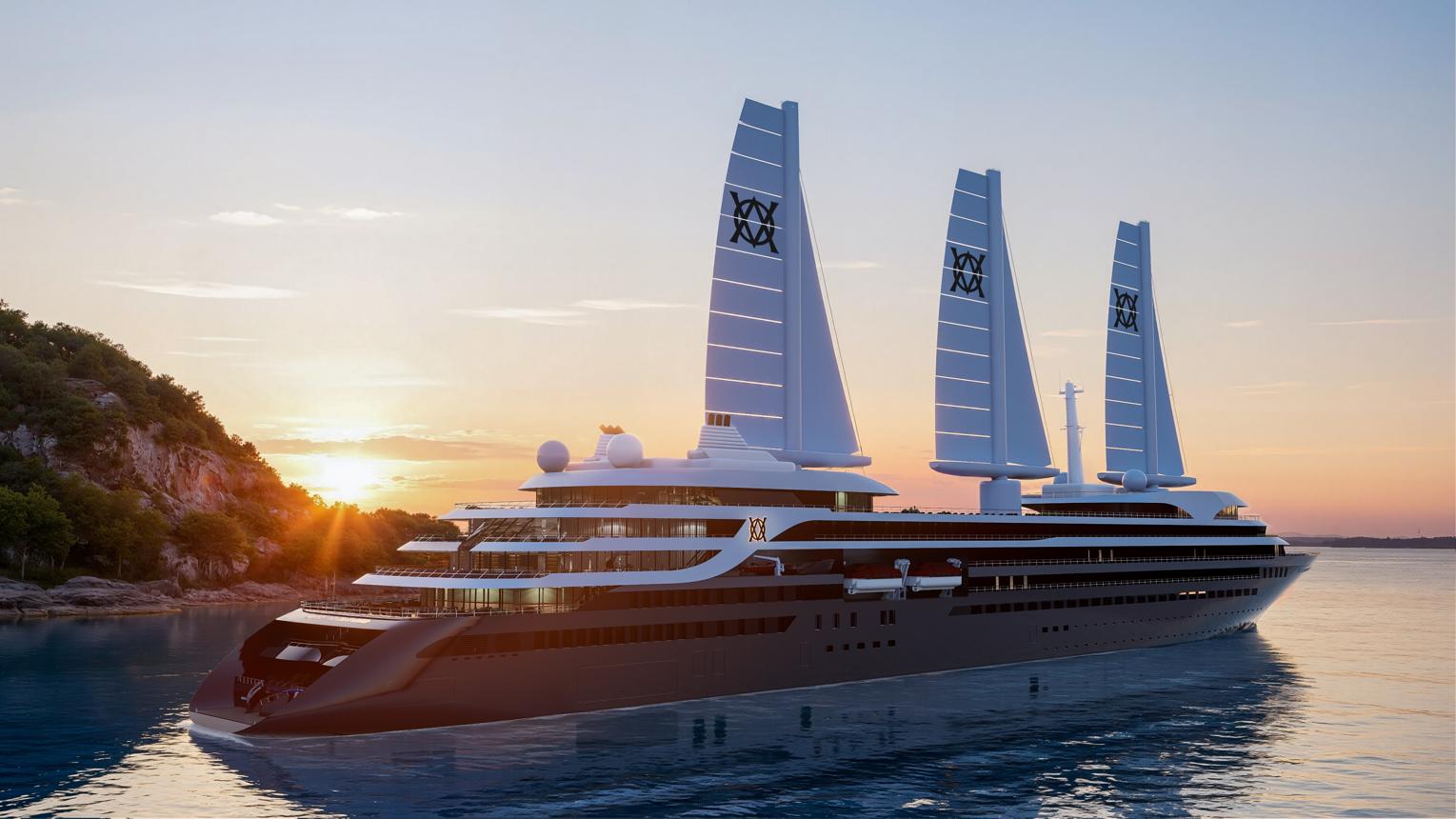
The Atlas Adventurer is central to the strategy. The company describes the vessel as its first Atlas-class yacht and a luxury expedition sailing yacht. Its 2029 Africa deployment will include voyages connected with Cape Town and Mombasa. Travel industry schedules show a Cape Town departure on April 7, 2029, with the itinerary travelling along South Africa’s coast before continuing toward Mozambique and Madagascar. Other sailings connect Mombasa and Cape Town, creating opportunities to combine East African and Southern African experiences.
The ship itself is designed around an intimate luxury concept. Atlas says the yacht will have 200 suites, while its wider product information highlights all-suite accommodation, multiple dining venues, wellness facilities and expedition equipment. The positioning is deliberately different from mass-market cruising: the objective is to make the vessel part of a high-end exploration experience rather than simply a means of transportation.
For South Africa, that positioning could help strengthen the value of longer-stay luxury tourism. International visitors who arrive for a premium cruise may spend additional nights in Cape Town, the Winelands or safari regions before embarking. That creates potential benefits for hotels, restaurants, wineries, guides, transport companies, conservation areas and other tourism businesses.
The timing is also significant. South Africa’s tourism sector is actively seeking stronger international demand and greater investment in tourism infrastructure. Recent government figures and industry discussions have highlighted the importance of attracting visitors from major long-haul markets and improving the country’s competitiveness. Luxury travellers can be particularly valuable because longer stays and higher daily spending can generate economic activity across several parts of the tourism supply chain.
The new Atlas programmes also reflect a broader change in what luxury means. Traditionally, luxury travel was closely associated with five-star hotels, private villas, premium air travel and exclusive dining. Increasingly, luxury is being defined by access, time, personalisation and meaningful experiences. A private safari vehicle, a specialist wine tasting, a carefully planned transfer or an exclusive conservation encounter can be more valuable to a traveller than simply having an expensive room.
South Africa is well positioned for this evolution because its tourism assets are geographically diverse. A visitor can move from Cape Town’s coastline and cultural attractions to the Winelands, then continue to a private reserve and finally embark on an expedition along the African coast. Few destinations can combine urban sophistication, wine country, mountains, wildlife and ocean travel within one broader itinerary.
The programme may also encourage travellers to stay longer. Instead of flying into Cape Town immediately before a cruise and leaving shortly after it ends, visitors could arrive several days earlier for a curated Winelands experience or travel inland for safari. Longer itineraries can increase accommodation nights and spending while giving international guests more time to experience South Africa beyond headline attractions.
The wider African programme strengthens the competitive proposition. Guests can choose South African wine and safari experiences, Kenyan safari programmes, or a Botswana journey through the Okavango Delta and Chobe. The result is a portfolio that treats Africa as a connected luxury destination rather than a collection of isolated countries.
The opportunity, however, is substantial. Atlas’s decision to build South African land experiences directly into its luxury expedition programme sends a useful signal about the country’s ability to support sophisticated multi-part holidays. It also reinforces the importance of partnerships between cruise operators, safari lodges, wineries, hotels, destination managers and tourism authorities.
As luxury travel continues moving toward immersive experiences, South Africa’s strongest advantage may be its ability to offer many forms of luxury within one journey. Wine tasting in the Cape Winelands, a refined stay in Franschhoek, Big Five viewing in the Kruger region and an expedition voyage from Cape Town can each appeal to a different traveller preference while fitting into a coherent itinerary.
The October 6 announcement therefore matters not simply because another cruise operator is selling African holidays. It demonstrates how luxury tourism is becoming more integrated, experience-led and destination-focused. For South Africa, the opportunity is to use these connections to turn premium visitors into longer-staying guests who explore more regions, spend across more sectors and develop a deeper relationship with the country.
Atlas Adventurer’s 2029 programme is a future travel product, but its strategy is clear. By placing South African wine country and safari alongside a luxury expedition, Atlas is selling an African journey. The model could influence travel as visitors seek comfort, discovery, exclusivity and authenticity.



