




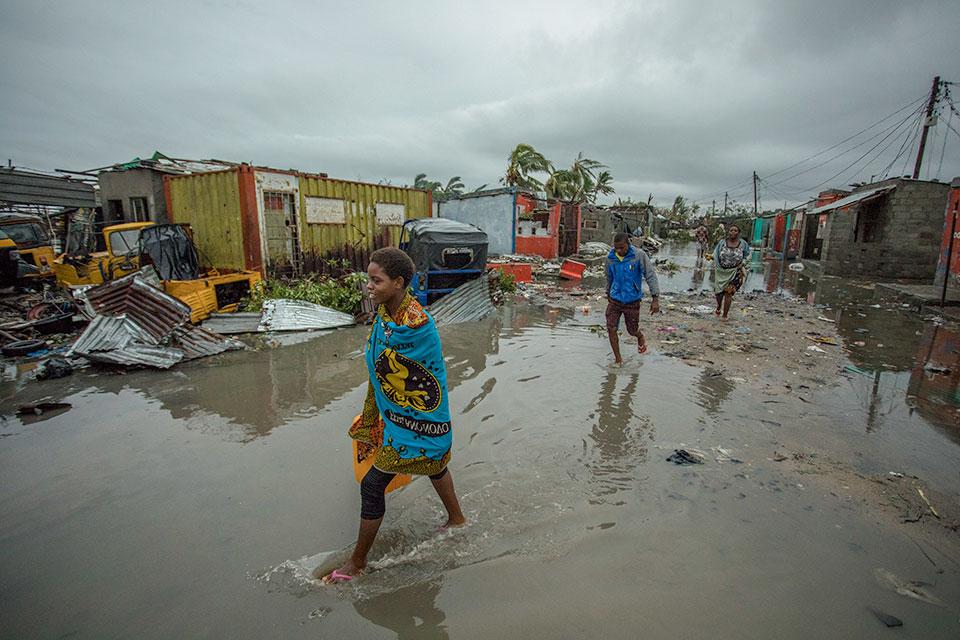
“Research highlighted by Bhekisisa on 26 October suggests that flooding contributes significantly to mental-health problems among affected African populations, including anxiety and post-traumatic stress disorder (PTSD), with young people appearing particularly vulnerable. The findings reinforce the need for disaster responses that provide not only shelter, food and clean water, but also accessible psychological support for people coping with the aftermath of extreme weather.”
Flooding and mental health: New African research highlights the hidden psychological cost of climate disasters
The mental-health crisis after the waters recede
Flooding is usually measured by the destruction it leaves behind: damaged homes, flooded roads, lost possessions, interrupted education and disrupted livelihoods. However, a major health concern can remain long after the water has drained away. Survivors may experience anxiety, depression, persistent fear and symptoms of post-traumatic stress disorder, creating a psychological burden that can continue well beyond the immediate emergency.
A report published by the Bhekisisa Centre for Health Journalism on 26 October 2026 highlights research examining the relationship between flooding and mental health in four African countries, including South Africa. The findings suggest that the psychological consequences of floods deserve greater attention from governments, healthcare providers, emergency-response teams and communities.
The research is particularly relevant to countries where extreme weather intersects with poverty, inadequate infrastructure and limited access to mental-health services. While emergency responders understandably prioritise immediate survival, the study highlights the importance of recognising psychological recovery as another essential part of protecting people affected by disasters.
Research across four African countries
The study examined the experiences of 5,336 participants in Burkina Faso, Kenya, Mozambique and South Africa. Researchers compared people who had experienced flooding with others who had not, enabling them to examine differences in reported mental-health symptoms across the study populations.
According to Bhekisisa’s report, the combined findings indicated that flooding contributed to mental-health problems in approximately one-quarter of the participants under the study’s analysis. The researchers estimated that the number of people experiencing such problems would have been about 25% lower without flood exposure. In the South African study population, the estimated proportion was closer to one-third.
These figures require careful interpretation. They describe the study’s findings and estimates, not a definitive national prevalence rate for every African country. The researchers also caution that the four study sites cannot represent the entire African continent.
Nevertheless, the findings strengthen the case for investigating the psychological effects of extreme weather as part of public-health research. They also highlight the need for additional studies that reflect different communities, living conditions and patterns of exposure to environmental disasters.
Anxiety, depression and post-traumatic stress
A flood can transform ordinary routines into a struggle for security. Families may suddenly lose their homes, livelihoods, possessions and access to essential services. People may also witness injuries, experience dangerous evacuations or fear for the safety of relatives.
These experiences can create intense emotional distress. Some survivors may struggle to sleep, concentrate or feel safe in their surroundings. Others may become persistently worried that another disaster is imminent, particularly when their homes remain vulnerable or recovery resources are limited.
The Bhekisisa report describes several mental-health concerns identified in the research. Across the combined study sample, approximately one in 12 people who had experienced flooding showed signs of serious anxiety, one in eight had symptoms indicating depression, and one in five displayed symptoms consistent with post-traumatic stress disorder.
These symptoms are not interchangeable, and screening results alone do not establish a clinical diagnosis. Nevertheless, they indicate that flood-related distress can extend beyond temporary fear or inconvenience.
Post-traumatic stress disorder, commonly known as PTSD, can involve intrusive memories, nightmares, avoidance of reminders of a traumatic event and heightened alertness to possible danger. People experiencing these symptoms may find it difficult to relax, maintain relationships or return to activities they previously managed comfortably.
Depression may involve persistent low mood, reduced interest in everyday activities, exhaustion and difficulty concentrating. Anxiety can make people feel continually threatened, even after the immediate danger has passed.
Recognising these experiences is important because survivors may not immediately identify their symptoms as health concerns. Without appropriate support, distress can interfere with family life, education, employment and physical wellbeing.
Why South Africa needs to pay attention
South Africa faces the challenge of protecting communities from environmental hazards while addressing unequal access to housing, infrastructure and healthcare. Floods can intensify existing difficulties, particularly in settlements where drainage is inadequate, homes are vulnerable and residents have limited financial resources to rebuild.
The study’s South African findings are particularly concerning because the estimated contribution of flood exposure to mental-health problems was greater than the overall estimate across the four study locations. The report places the South African estimate at close to one-third.
This finding should not be interpreted as meaning that one-third of all South Africans have flood-related mental-health conditions. Instead, it illustrates the potential scale of the problem within the study’s population and supports further investigation into how environmental disasters affect vulnerable communities.
For households already struggling financially, a flood may mean losing essential possessions, missing work, losing income or taking on debt to repair damaged property. Children may be unable to attend school, while adults may spend considerable time arranging accommodation, replacing documents or seeking assistance.
These pressures can compound emotional distress. People who have fewer resources to recover may also have fewer opportunities to obtain professional psychological support.
Consequently, effective disaster planning should consider not only the severity of the weather event but also the social conditions that determine how quickly affected households can recover.
Young people face particular risks
One of the important concerns highlighted in the report is the apparent vulnerability of young people. The study found higher levels of anxiety and PTSD symptoms among younger participants exposed to flooding than among older age groups.
Young people may experience disasters differently from adults. They depend on families, schools and other support systems for security, stability and emotional reassurance. When a flood disrupts these structures, it can affect their sense of safety and their ability to concentrate on education and relationships.
For learners, losing study materials, missing classes or moving temporarily to unfamiliar accommodation may create additional stress. Young people who are already coping with family hardship may have fewer resources to manage the emotional consequences.
There may also be long-term implications if significant psychological distress develops during adolescence or early adulthood. Persistent symptoms can affect educational attainment, employment opportunities and social relationships.
However, young people should not automatically be viewed as permanently damaged by traumatic experiences. Supportive relationships, stable living conditions, timely assistance and appropriate professional care can help survivors recover.
Schools, community organisations and healthcare providers therefore have an important role in identifying distress and helping affected learners access suitable assistance.
Why psychological recovery is often overlooked
Emergency responses generally focus on urgent practical needs. Providing safe shelter, clean water, food, sanitation and medical treatment is essential when communities experience flooding.
However, psychological needs may receive less attention because emotional injuries are not always visible. A person may appear physically unharmed while experiencing persistent fear, grief or difficulty sleeping.
The report highlights this gap in disaster preparedness and response. It also notes that limited specialist mental-health capacity across Africa makes it difficult for many survivors to obtain appropriate support.
In practice, psychological assistance does not always require every survivor to receive specialist psychiatric treatment. Community-based support, psychological first aid delivered by trained personnel, clear information and connections with trusted services can form part of a broader response.
People with persistent, severe or worsening symptoms should be able to access qualified mental-health professionals for assessment and treatment.
Emergency agencies can strengthen their responses by including mental-health screening and referral pathways in evacuation centres and recovery programmes. Healthcare workers can also receive training to recognise common signs of trauma and understand when specialist care is needed.
Importantly, support should be offered respectfully and without forcing survivors to recount traumatic experiences before they are ready.
Prevention begins before disaster strikes
The findings also reinforce the importance of preventing or reducing exposure to flooding wherever possible.
According to the report, researchers identify early warnings, opportunities to evacuate before danger escalates and practical infrastructure maintenance, including keeping drainage systems clear, as measures that can reduce exposure to flood hazards.
Such interventions have benefits beyond reducing physical injuries and property damage. Helping people understand risks and reach safety can reduce the trauma associated with being trapped in dangerous conditions.
Authorities should therefore improve communication systems so warnings reach residents promptly and in languages they understand. Communities need realistic evacuation plans, accessible shelters and reliable information about where to obtain assistance.
Long-term planning is equally important. Safer housing, functioning drainage, resilient roads and reliable healthcare facilities can help reduce the disruption caused by extreme rainfall.
Climate change adds urgency to these efforts. The report discusses evidence that extreme rainfall and storms are likely to become more frequent or intense in a warming climate, increasing the importance of adaptation and disaster preparedness.
Reducing greenhouse-gas emissions and investing in climate resilience are therefore relevant to health protection as well as environmental policy.
Building mental-health support into recovery programmes
South Africa can use these findings to strengthen cooperation between disaster-management authorities, public-health departments, schools and community organisations.
A more comprehensive response would assess both immediate material needs and psychological wellbeing. Residents affected by flooding should receive information about available support, while outreach teams could identify people who may need additional assistance.
Healthcare facilities serving affected communities should be prepared for increased demand. This includes making referral information available, strengthening local counselling services and ensuring that support is accessible to people who cannot easily travel.
Children, older people, people with disabilities and households experiencing severe financial hardship may need particular consideration. Assistance should account for practical barriers such as transport costs, language differences and limited access to communication technology.
Community organisations can help bridge gaps by sharing information, supporting families and connecting residents with appropriate services. Their work should complement, rather than replace, properly funded public-health services.
Evaluation is also essential. Authorities need better information about which interventions are effective, who remains unable to access support and whether psychological services continue to be available after emergency relief programmes end.
The study offers an important starting point, but further research is needed to understand differences between communities and identify the most effective ways to support recovery.
Conclusion: Disaster recovery must include mental wellbeing
The research highlighted by Bhekisisa on 26 October 2026 draws attention to a dimension of flooding that can be overlooked when emergency responses focus exclusively on visible destruction.
Its findings suggest that flood exposure can make a substantial contribution to mental-health problems in affected populations across Burkina Faso, Kenya, Mozambique and South Africa. The apparent vulnerability of young people and the particularly concerning South African estimate strengthen the case for more comprehensive disaster planning.
The implications extend beyond the period immediately following a flood. Psychological distress can affect education, employment, relationships and people’s ability to rebuild their lives. For communities already facing poverty and limited access to healthcare, these consequences may deepen existing inequalities.
South Africa must therefore treat mental wellbeing as an essential component of disaster preparedness, emergency assistance and long-term recovery. Early warnings, resilient infrastructure, accessible healthcare and community-based psychological support can work together to reduce harm.
Ultimately, helping people recover from a flood means more than restoring buildings and replacing possessions. It also means recognising emotional suffering, making appropriate care accessible and ensuring that survivors have the support they need to regain a sense of safety and stability.
The central public-health lesson is clear: protecting communities from environmental disasters requires attention to both physical survival and psychological recovery.



